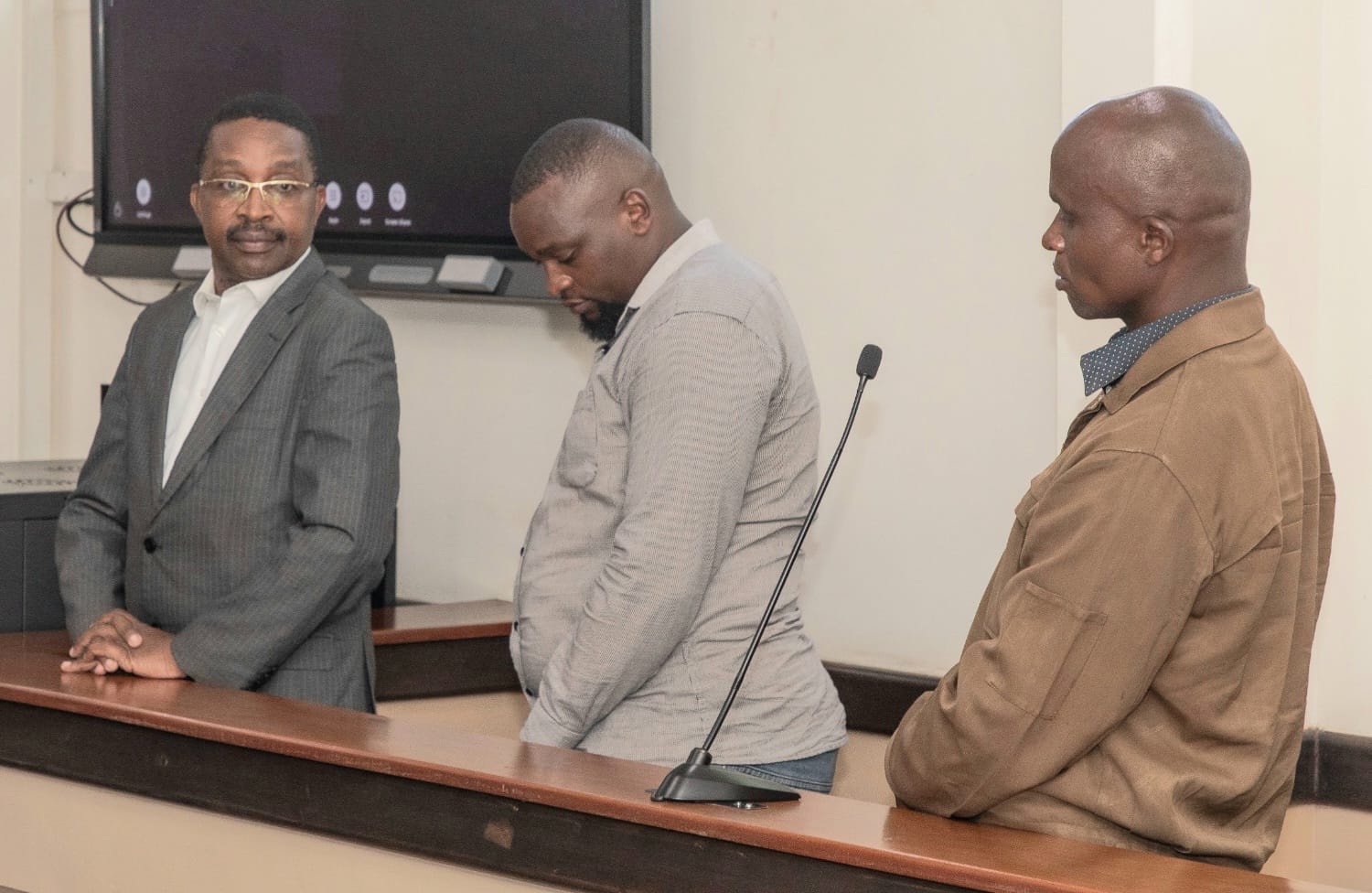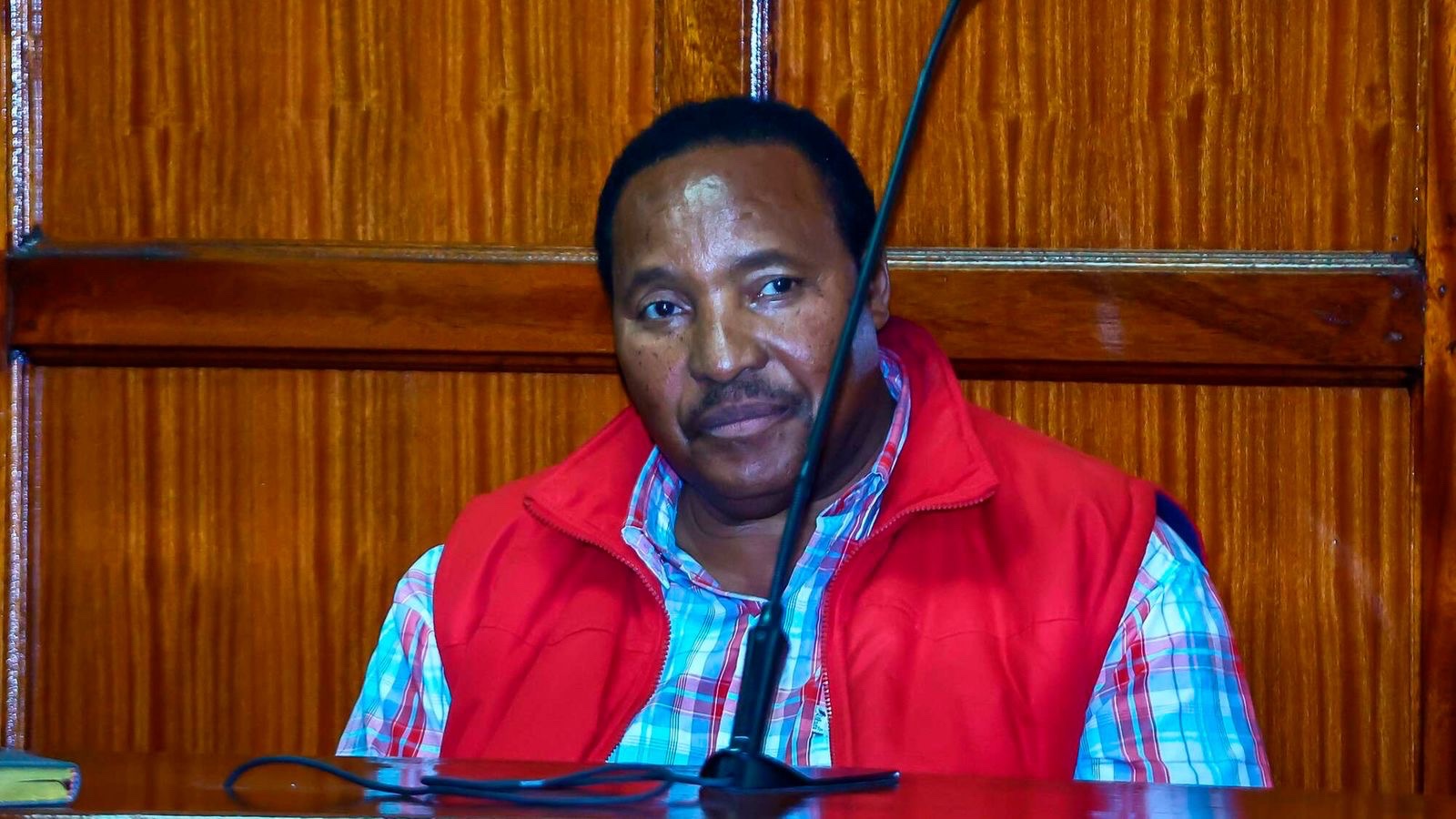
The High Court has dismissed former Kiambu Governor Ferdinand Waititu’s bid to overturn the 10-year ban on convicted corruption offenders holding public office following his conviction in the Sh588 million Kiambu corruption case.
In a judgment delivered on Friday, October 23, 2026, Justice Roselyne Aburili, on behalf of Justice Chacha Mwita, ruled that Waititu and his co-petitioners had failed to demonstrate that Section 64 of the Anti-Corruption and Economic Crimes Act was unconstitutional.
“The petitioners did not demonstrate why the section is unlawful,” the court observed.
The provision disqualifies people convicted of corruption and economic crimes from being elected or appointed to public office for 10 years after conviction.
Waititu and the other petitioners had argued that the law, which gives effect to Chapter Six of the Constitution on leadership and integrity, unlawfully restricted their eligibility for public office.
Their petition also challenged the alternative prison sentences imposed following their convictions in the Sh588 million Kiambu County corruption case, which involved the irregular award of a road construction tender to Testimony Enterprises Limited during Waititu’s tenure as governor.
Waititu was fined Sh53.5 million, with a 12-year prison term as the alternative sentence if he failed to pay. Former Kiambu County roads chief officer Luka Mwangi Wahinya was fined Sh21 million or sentenced to seven years in prison, while businessman Charles Chege Mbuthia, a director of Testimony Enterprises Limited, was fined Sh295 million or faced nine years behind bars.
The petitioners argued that the alternative custodial sentences exceeded the limits prescribed under Section 28(2) of the Penal Code, raising questions about the legality of their punishment and the protection of their constitutional rights.
However, the court found that the petitioners had not demonstrated that the provision applied to their case, noting that their convictions were entered under the Anti-Corruption and Economic Crimes Act.
Justice Mwita further held that disputes over the application of sentencing provisions should be pursued through the appellate process rather than separate constitutional proceedings.
The court also found that the petitioners had failed to establish a specific constitutional violation attributable to the Director of Public Prosecutions.
The ruling leaves the statutory restriction in place and marks another setback for Waititu in his efforts to challenge the legal consequences of his corruption conviction.