World Bank President Ajay Banga has warned of a projected global jobs gap of 800 million as 1.2 billion young people are expected to enter the labour market over the next 10 to 15 years, calling for increased investment in sectors capable of generating employment and supporting economic growth.
Speaking at the World Bank-International Monetary Fund Annual Meetings in Bangkok, Banga identified infrastructure, energy, agriculture and small businesses as key areas requiring greater investment to accelerate job creation.
The projected gap highlights the challenge facing governments and development institutions as growing numbers of young people prepare to enter working life. Creating sufficient employment opportunities will require businesses to expand, productive sectors to grow and investment to support economic activity.
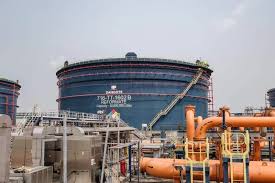
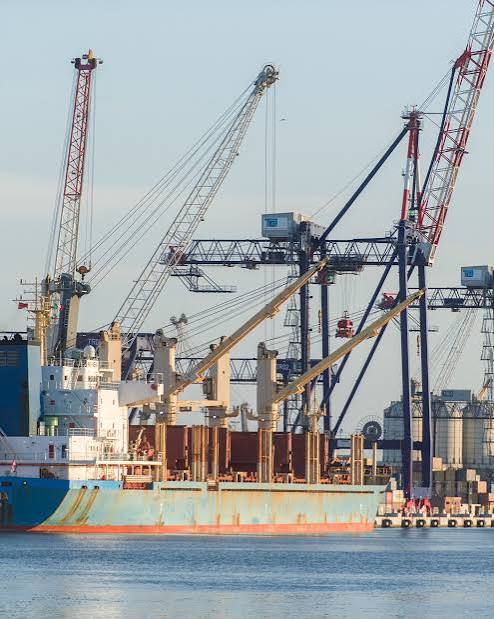
Infrastructure investment can support job creation through construction and related services, while energy projects can help improve the power supply needed by businesses and industries. Agriculture and small enterprises also offer opportunities to expand production, strengthen supply chains and create jobs in local economies.
Banga called for greater mobilisation of private capital to complement public financing and support development projects. Private investment can provide funding for businesses and infrastructure while helping expand economic activity beyond what governments can finance alone.
He said the World Bank mobilised $112 billion in private capital in the previous year, up from $35 billion in 2022, as part of efforts to support development and economic growth.
The increase reflects the institution’s focus on bringing private investors into development financing, although the scale of future job creation will depend on how investments translate into productive businesses and employment opportunities.
The warning comes as countries face the challenge of ensuring that young people entering the labour market can access work that provides stable incomes and opportunities for advancement.
For developing economies, expanding employment is closely linked to investment in infrastructure, reliable energy, agriculture and businesses that can grow and absorb workers. Small enterprises are particularly relevant because their expansion can create opportunities across local markets and supply chains.
The projected jobs gap places pressure on governments, financial institutions and the private sector to coordinate investment and create conditions that support business growth.
Banga’s remarks underscore the scale of the global employment challenge and the need to turn investment commitments into economic activity that generates opportunities for the next generation of workers.