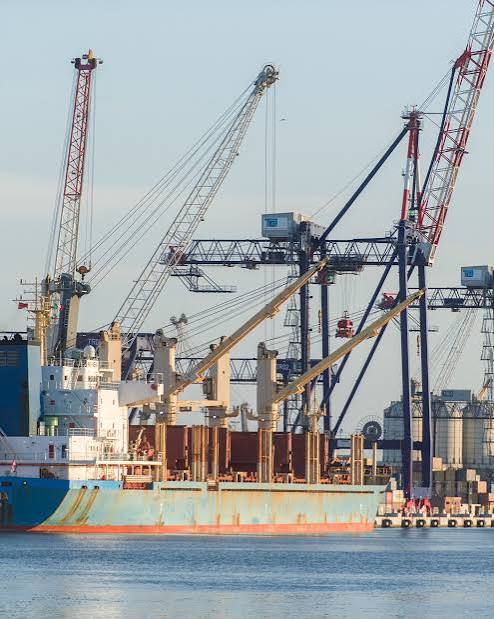
Dockworkers across more than 100 international ports staged coordinated strikes and demonstrations on Friday, October 30, 2026, protesting the transportation of weapons to conflict zones and demanding improved working conditions. The international action, backed by more than 25 trade unions across 113 ports in 22 countries, targeted major shipping hubs across Europe, North Africa, Asia and the Americas.
The mobilisation was organised by dockworkers' unions in countries including France, Italy, Greece, Spain, Turkey and Morocco. Workers called for commercial ports to stop handling weapons, ammunition and military equipment destined for conflict zones, particularly amid continuing wars in the Middle East.
Major ports affected or targeted by the action included Hamburg, Valencia, Le Havre, Algeciras, Genoa and Piraeus, alongside Morocco's Tangier Med and India's Nhava Sheva. However, the extent of operational disruption varied between locations, with some unions organising full-day stoppages while others held shorter walkouts and demonstrations.
In Greece, maritime workers joined the protests at Piraeus, the country's largest port, with ferry services disrupted by a separate seafarers' strike over wages, safety and working conditions. Italian dockworkers also participated in demonstrations at major ports, including Genoa, Trieste and Gioia Tauro, as part of a wider nationwide industrial action.
In France, the CGT Ports and Docks federation called a one-day strike at major ports, including Le Havre, Marseille, Dunkirk and Rouen. The union opposed the militarisation of port facilities and raised concerns about government policies affecting workers' social protections.
Beyond opposing arms shipments, the campaign highlighted employment challenges facing maritime workers. Participating unions demanded better wages, secure employment, safer workplaces and stronger collective bargaining protections, while also raising concerns about automation and its potential impact on port jobs.
According to Reuters, organisers estimated that the action could affect more than 40% of Mediterranean cargo traffic and disrupt over $2 billion worth of freight. However, the actual economic impact remained uncertain, as participation levels and the duration of stoppages differed across ports.
The strikes come amid wider concerns about the vulnerability of international supply chains to geopolitical tensions, labour disputes and logistical disruptions. Shipping companies and logistics providers warned that participating ports could experience delays, although industry experts expected the overall impact on global trade to remain limited.
Attention will now turn to how quickly affected ports restore normal operations, clear shipping backlogs and resume cargo handling. The unions' demands could also shape further discussions between port workers, shipping companies and governments over arms transportation, employment protections and working conditions.