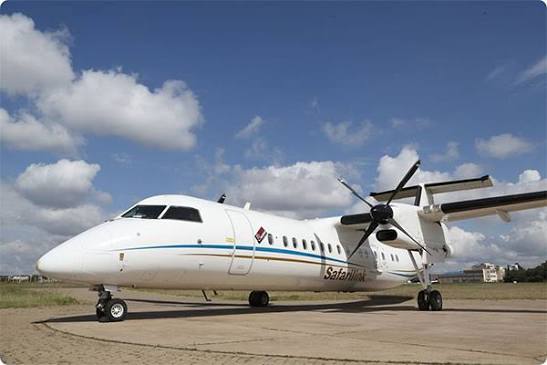
Flights between Kenya and Tanzania are facing falling demand, particularly from local travellers, because of higher fuel prices and taxes on airfares introduced by the Tanzanian government, Safarilink Aviation Chief Executive Alex Avedi said in an interview published.
Safarilink is one of only two Kenyan airlines still operating scheduled flights to Tanzanian airports from Nairobi and Mombasa. It was one of three until Jambojet pulled out of the market. In the interview, Avedi explained how the airline has stayed on the routes while others have cut back, and he insisted that Safarilink’s own operations are not struggling.
Avedi singled out taxes as a major problem, saying they are extremely high, especially on the Tanzanian side. He said the effect is greatest on local travellers, who are more sensitive to price.
When a family of four looks at the cost of flights, taxes and mandatory insurance, he said, the total becomes substantial, which can push them to travel by road or stay at home. On some flights, he said, 90 percent or more of passengers are Europeans and Americans, mostly tourists whose trips are planned around safaris and less affected by price swings.
The airline’s response is to adjust capacity to match demand and to look for new customers. Avedi said the aim is to grow the market to three flights a day throughout the year, although in the low season it may cut frequencies to two flights or even a single daily service.
He said Safarilink may also have to reduce capacity on some routes rather than run six flights a day where three or four would be enough. It is also targeting business travellers, because there is considerable trade between Kenya and Tanzania.
The squeeze reflects pressures that have hit the wider aviation industry in the region. Fuel is one of the biggest costs for airlines, and fuel prices have surged this year, with global crude prices jumping on the Iran war and attacks on Saudi Arabia.
Safarilink, which operates safari and scheduled flights from Nairobi’s Wilson Airport using Cessna Caravans and Dash-8 aircraft, has also grown through a codeshare with Kenya Airways, which it signed in April 2025.
The outlook for cross-border flights will depend on whether costs ease and whether more business travellers use the routes.