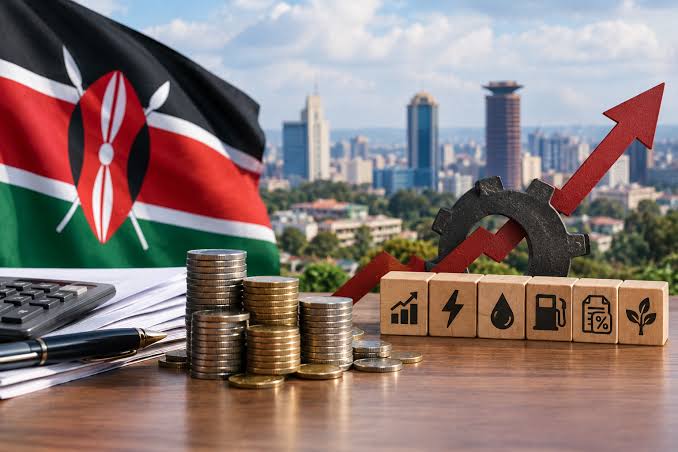
Kenya’s economic growth is projected to remain below 5 per cent over the medium term, with rising debt costs, possible fiscal slippage, unpredictable rainfall and prolonged conflict in the Middle East threatening the country’s recovery, the World Bank has warned.
In its November 2026 Kenya Economic Update, the lender said the outlook remained resilient following stronger-than-expected economic performance in the first half of the year. It revised its 2026 growth projection upwards by 0.3 percentage points, reflecting the expansion recorded during the period.
However, the World Bank said risks to the outlook remained tilted to the downside. It warned that further pressure on public finances and elevated debt service costs could increase the Government’s financing requirements, limit resources available for development and crowd out lending to private businesses.
Kenya’s fiscal position remains a major concern. The budget deficit widened to 6.8 per cent of gross domestic product in the 2025/26 financial year, against an original target of 4.7 per cent. Public debt stood at 69.9 per cent of GDP at the end of June 2026.
The report also identified climate-related disruptions as a threat to agricultural production and household welfare. Expected El Niño conditions could bring variable rainfall, disrupt farming, damage infrastructure and affect transport connectivity. Such disruptions could also temporarily push up food prices and slow progress in reducing poverty.
External developments present another risk. A prolonged conflict in the Middle East could keep international fuel and shipping costs elevated, adding to inflationary pressure and reducing household purchasing power.
The World Bank expects these external pressures to contribute to a wider current account deficit, which is projected to increase from 2.8 per cent of GDP in 2025 to 4.3 per cent in 2026.
The lender’s poverty projections also point to continuing pressure on household welfare. The share of Kenyans living below the international poverty line of US$3 a day, measured in 2021 purchasing power parity, is projected to decline from 43 per cent in 2026 to 41.4 per cent in 2028.
Although Kenya’s growth is expected to remain above the average for Sub-Saharan Africa, the report says it will remain below the East African Community average. This points to the need for stronger and more inclusive growth to improve living standards.
The outlook will depend on the Government’s ability to restore fiscal discipline, manage external risks and address structural constraints that limit investment, productivity and job creation.