
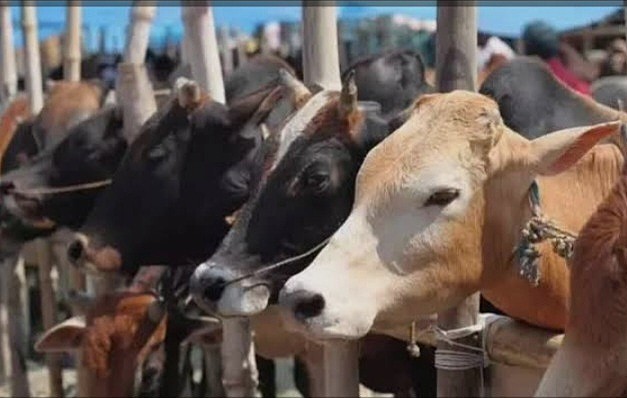
Veterinary doctors have raised concern over an increase in the illegal slaughter of livestock in forests, warning that meat from the animals is finding its way into shops and reaching consumers in urban areas.
Speaking in Nakuru County, the President of the veterinary doctors’ association, Dr Benson Ameda, said weak meat inspection systems were making it easier for unlicensed traders to operate and supply meat through illegal channels.
Ameda said gaps in monitoring and inspection had created room for fraud, with people who are not authorised to handle livestock products gaining access to the market.
He called for stronger controls to ensure that meat reaching consumers is inspected and cleared by the relevant authorities.
Dr Karanja Kuria, a member of the Africa Veterinary Technicians Association, linked the problem to a shortage of veterinary personnel in counties.
According to Kuria, inadequate staffing has made it difficult for veterinary officers to conduct regular inspections and monitor slaughtering activities effectively.
The two veterinary experts warned that illegal slaughter goes beyond concerns over food safety.
They said the practice is also linked to rising cases of livestock theft, particularly in parts of the Rift Valley, where stolen animals can be slaughtered and their meat sold through informal channels.
Livestock theft has continued to raise security concerns in some areas, with farmers losing animals and communities being affected by criminal activities associated with the trade.
The veterinary professionals said improving meat inspection would help address both the health risks associated with uninspected meat and the illegal movement of livestock.
They called for county governments and other relevant agencies to strengthen veterinary services, increase the number of personnel available for inspections and tighten controls over livestock slaughter and meat distribution.
They also urged authorities to ensure that only authorised facilities and personnel are involved in the slaughter and sale of meat.
The experts concluded by saying stronger monitoring would help protect consumers while also making it harder for stolen livestock to enter the meat market.