The Director of Public Prosecutions (DPP) has secured a legal victory after the High Court dismissed a petition seeking to have life imprisonment declared unconstitutional and a murder convict released or given a fixed prison term.
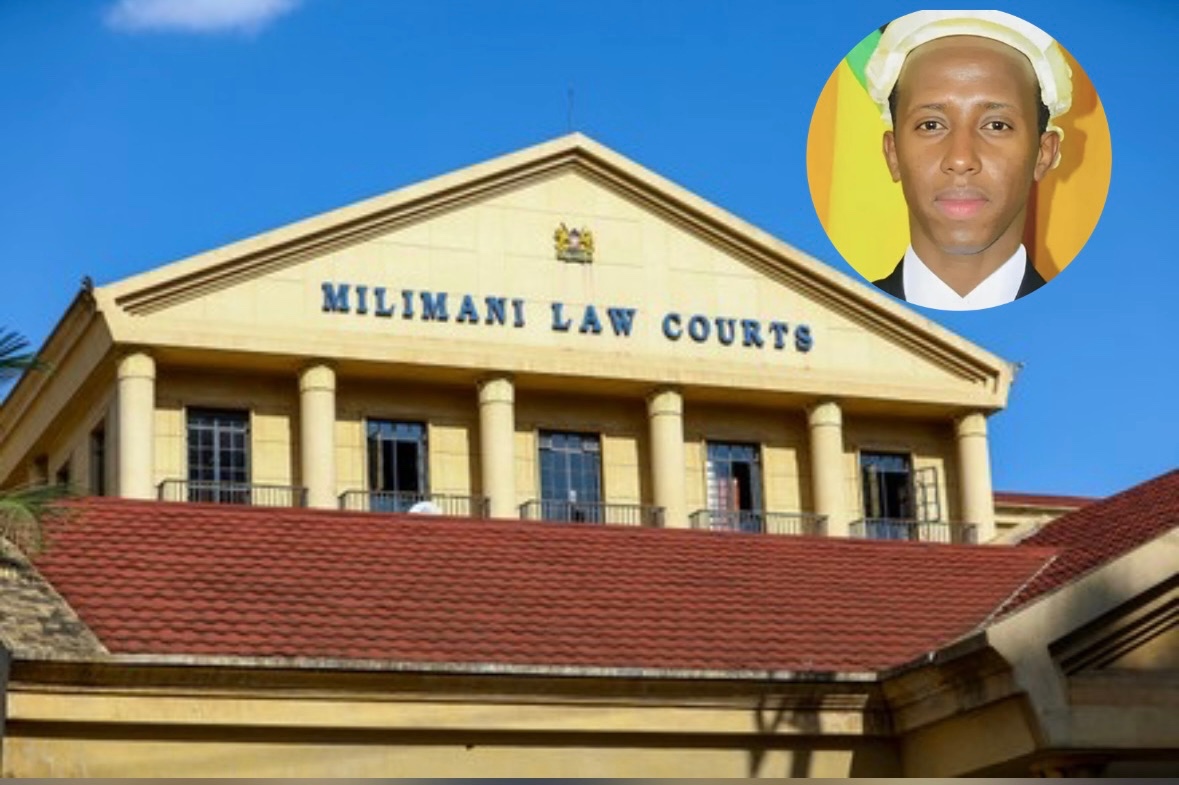
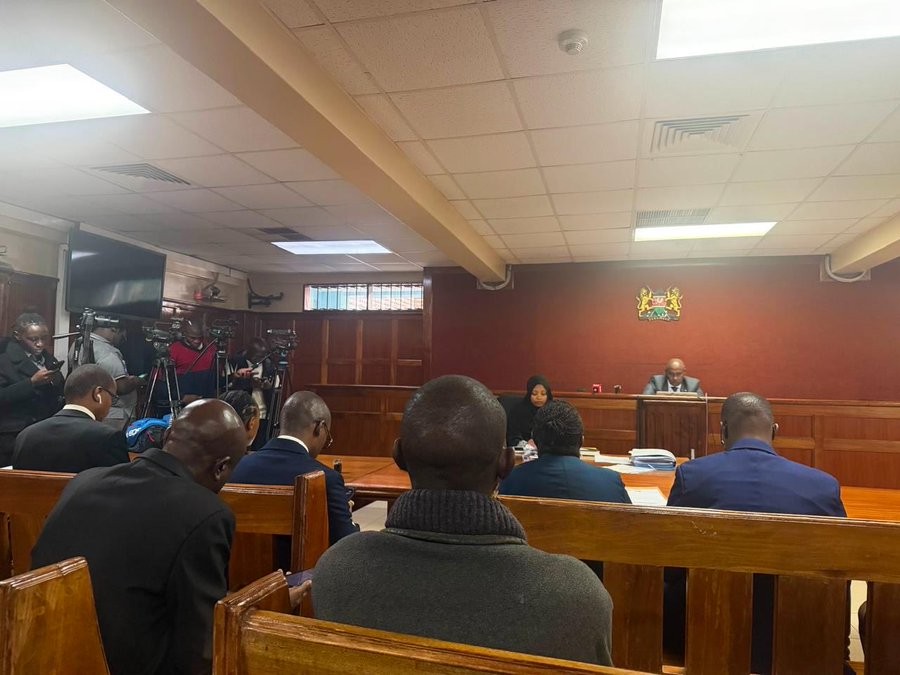
In a ruling delivered by Lady Justice R.E. Aburili, the court held that it lacked the authority to convert a life sentence into a definite custodial term or set parole eligibility periods without an enabling law passed by Parliament.
The petition had been filed by Peter Kinyua Mwangi, an inmate at Kamiti Main Prison serving a life sentence after his initial death sentence was commuted by the President under Article 133 of the Constitution.
Mwangi had asked the Milimani High Court to declare life imprisonment unconstitutional or interpret it in a manner consistent with constitutional values by replacing it with a fixed prison term.
He also wanted the court to consider the time he had already spent in prison, his rehabilitation and his personal transformation before determining whether he should receive a reduced sentence or be released immediately.
Court records show that Mwangi was arrested on April 22, 2009, and charged with murder. He was convicted on February 26, 2015, and sentenced to death.
His conviction was later upheld by the Court of Appeal, while subsequent applications for sentencing review before the High Court were dismissed on grounds of lack of jurisdiction.
Opposing the petition, the DPP argued that the issues surrounding Mwangi's conviction and sentence had already been determined through the judicial process and could not be reopened through a constitutional petition.
The prosecution further maintained that granting the requests would require the High Court to review decisions made by courts of equal or superior jurisdiction, an action prohibited under Article 165(6) of the Constitution.
In her ruling, Justice Aburili agreed with the prosecution's position, relying on the Supreme Court decision in Republic v Ayako, which clarified the limits of judicial authority in determining the nature and duration of life sentences.
The judge noted that courts could not independently introduce fixed sentencing periods or parole arrangements where Parliament had not provided the necessary legal framework.
Despite dismissing the petition, the court acknowledged that Mwangi had made significant progress during his time in prison.
Justice Aburili recognised his educational achievements, remorse, rehabilitation and efforts towards personal reform while serving his sentence.
However, she maintained that these positive developments could not, on their own, give the court the legal authority to replace his life sentence with a definite prison term or order his immediate release.
The judge also found that the petition was barred by the doctrines of functus officio and finality of judicial proceedings, particularly because the sentence had already been considered and upheld through the appellate process.
This meant that the court could not reopen matters that had already been conclusively determined simply because the petitioner sought a different outcome through a constitutional challenge.
The ruling reinforces the position that any changes to the legal framework governing life imprisonment, including the introduction of fixed terms or parole eligibility, require legislative intervention.
The case was prosecuted by Kerungo Maatwa on behalf of the Director of Public Prosecutions.