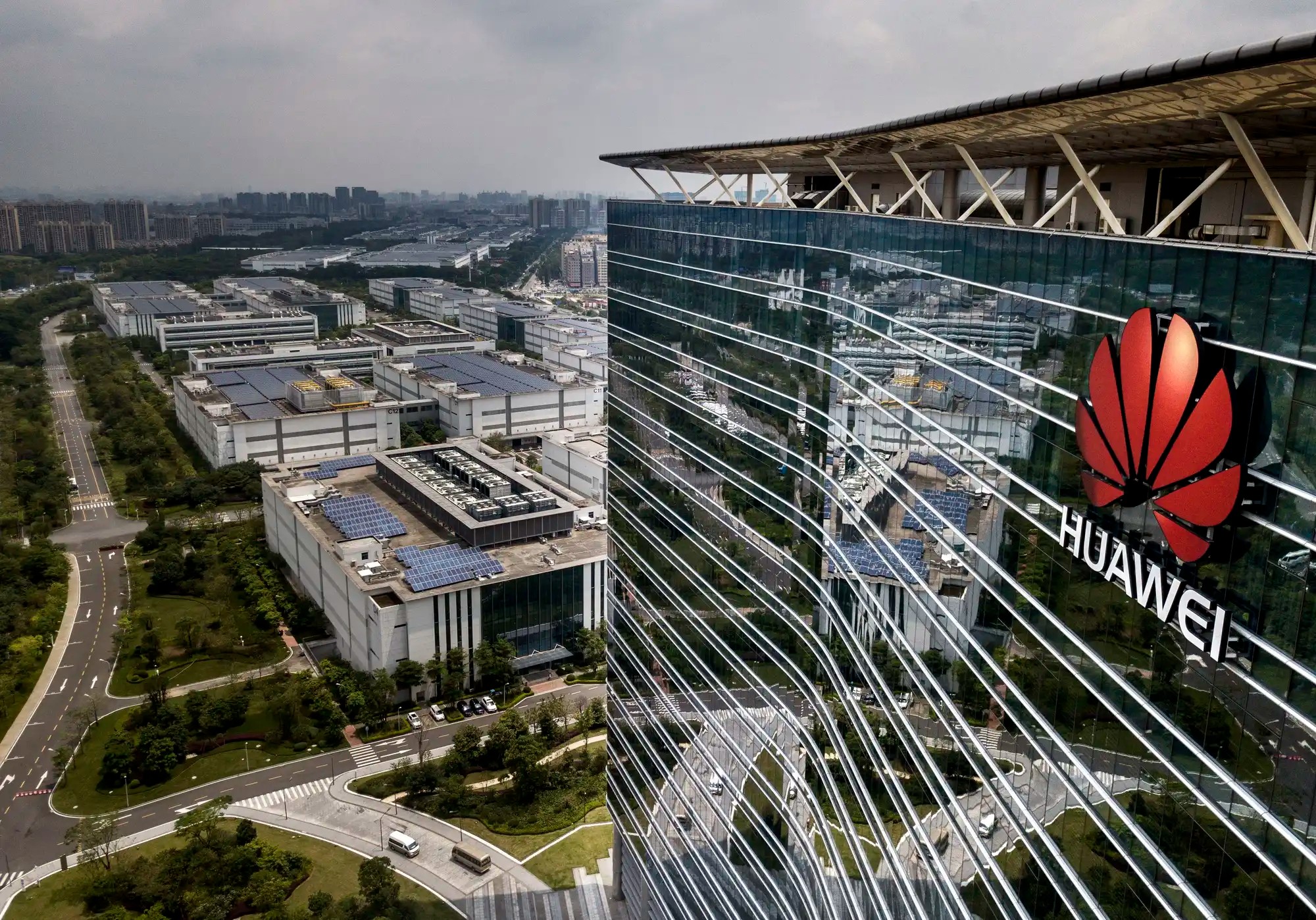
The United States has proposed raising tariffs on imports from China, the European Union and several other major trading partners, accusing their governments of supporting excessive manufacturing through subsidies and trade barriers that undermine American industries.
The proposed measures, announced by the administration of President Donald Trump on Wednesday, November 25, would impose additional duties on selected products from affected economies, with China facing some of the highest rates.
The United States Trade Representative (USTR) is preparing to act following investigations under Section 301 of the Trade Act of 1974, which allows Washington to investigate and respond to foreign trade practices it considers unreasonable, discriminatory or harmful to American commerce.
The administration argues that subsidised production has contributed to an influx of cheaper imports, putting pressure on domestic manufacturers and widening the US trade deficit in goods, which has recently exceeded $1 trillion annually.
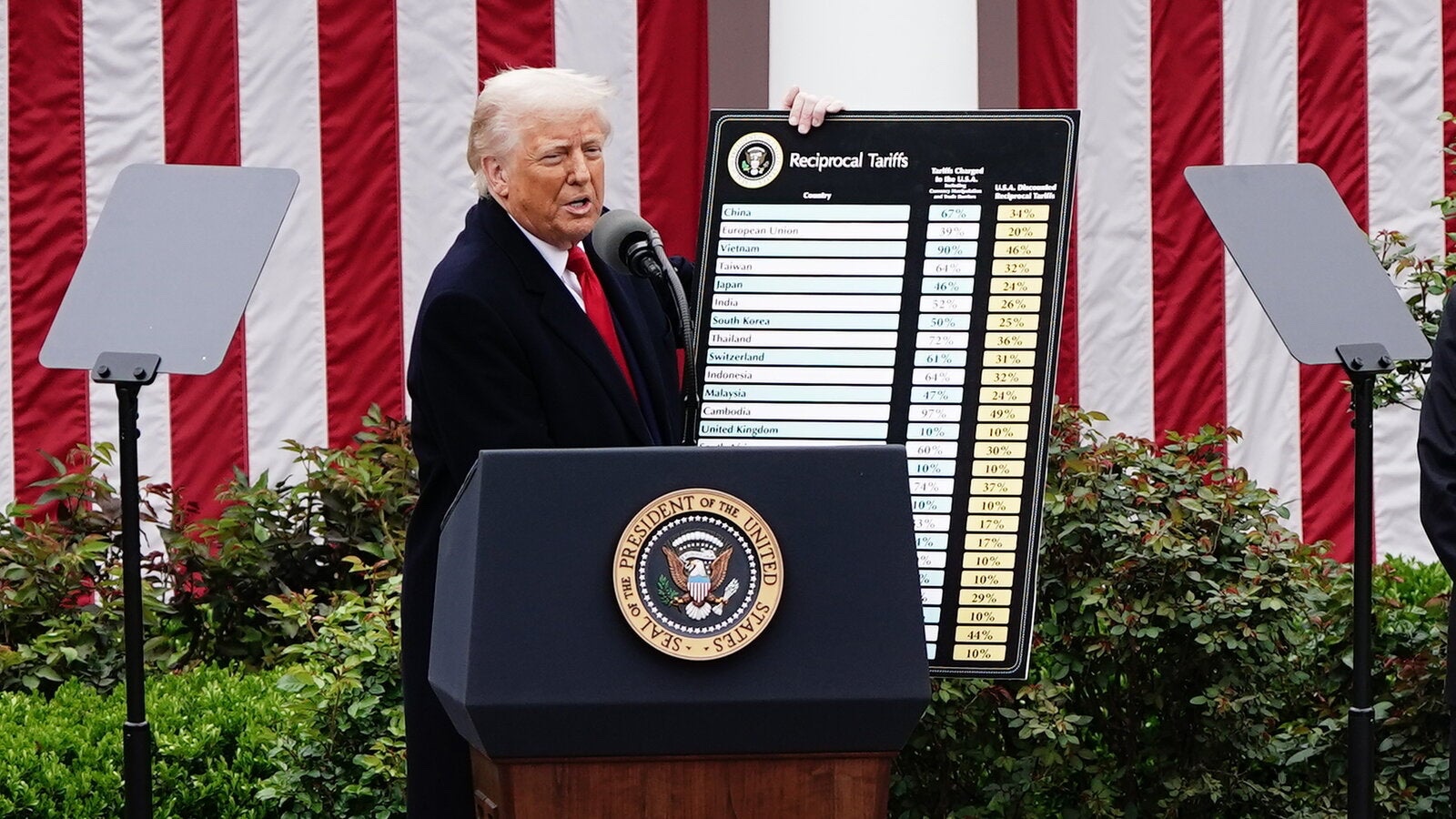
Under the proposal, some Chinese products would attract an additional 20% tariff, bringing their combined import tax to 45% when existing duties are included.
Vietnam would also face a proposed 20% rate, while tariffs for other affected trading partners would range between 10% and 18%.
The measures would target specific products rather than apply uniformly to every import from the affected economies. They would also remain separate from existing US tariffs on automobiles, steel, aluminium and goods linked to forced labour.
Brazil is facing additional trade pressure following stalled negotiations with Washington. The administration is proposing higher duties on raw and refined sugar, alongside a new 10% tariff on aircraft that could affect Embraer, the country’s leading aircraft manufacturer.
The proposed duties form part of a broader effort by the Trump administration to rebuild its tariff programme after the US Supreme Court ruled in February that the president could not use the International Emergency Economic Powers Act to impose sweeping import taxes without congressional authorisation.
The ruling invalidated much of the administration’s earlier emergency-based tariff framework, prompting Washington to pursue alternative legal avenues. Section 301 provides one such route through investigations into specific trade practices.
The administration has also presented the new measures as a way of recovering tariff revenue lost following the court decision, while maintaining pressure on foreign governments to address what it considers unfair competition.
The announcement comes amid growing domestic debate over the economic consequences of Trump’s trade policy. The president has maintained that tariffs will encourage companies to manufacture in the United States, create jobs and reduce the federal deficit.
However, the measures have also raised concerns about higher consumer prices, as import taxes can increase the cost of goods purchased by American businesses and households. Economic affordability was among the issues that contributed to Republican losses in the November midterm elections.
The proposed tariffs could further complicate relations with major trading partners, particularly China, where Washington and Beijing have been attempting to maintain a fragile trade truce.
The two countries reached an agreement last year that is due to expire on January 10. Trump met Chinese President Xi Jinping in Shenzhen last week and is expected to host him again at the Group of 20 summit in Florida next month, where trade, agricultural purchases and access to rare earth minerals could feature in discussions.
China has rejected the US allegations of industrial overcapacity, describing them as unfounded and warning against using them to justify political pressure.
Beijing has called for dialogue to resolve the dispute, arguing that a tariff or trade war would harm both economies.
The proposed measures remain subject to further action by the USTR, with no firm implementation timetable announced. Their eventual impact will depend on the final rates, product exemptions and the outcome of consultations with affected trading partners.