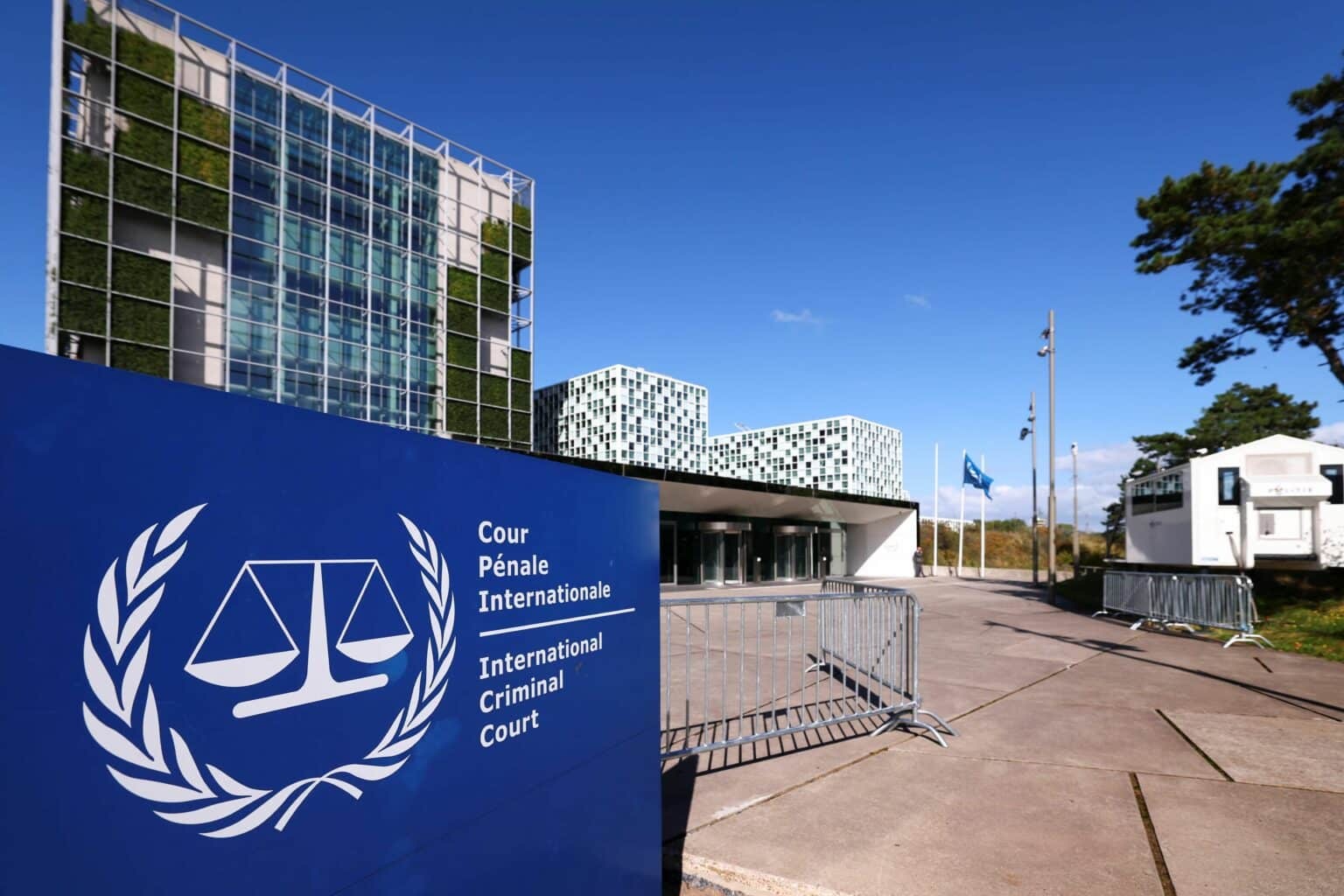
The United States has imposed sanctions on the International Criminal Court (ICC), escalating tensions with European allies over the tribunal’s efforts to prosecute alleged war crimes and other serious international offences.
The sanctions, announced by President Donald Trump’s administration on Friday, could extend beyond individual judges and prosecutors to companies providing services to the court, potentially disrupting its banking, insurance and technology operations.
US Secretary of State Marco Rubio said Washington would prohibit transactions with the ICC, accusing the institution of targeting American citizens.
“President Trump will never allow the International Criminal Court to prosecute Americans,” Rubio said in a statement.
He described the tribunal as a “rogue court” and said the sanctions were intended to cut off its resources and restrict its ability to operate.
Washington has long opposed the ICC’s jurisdiction over American nationals and has criticised arrest warrants issued against Israeli officials, including Prime Minister Benjamin Netanyahu. The United States has also objected to a previous ICC investigation into the conduct of American soldiers in Afghanistan, which the court has since closed.
Founded in 2002, the ICC prosecutes individuals accused of genocide, war crimes, crimes against humanity and the crime of aggression under its founding statute. It has 125 member countries, including all European Union states, but the United States is not a member.
The latest sanctions could place Washington on a diplomatic collision course with European allies, many of whom support the court and its mandate to hold individuals accountable for serious international crimes.
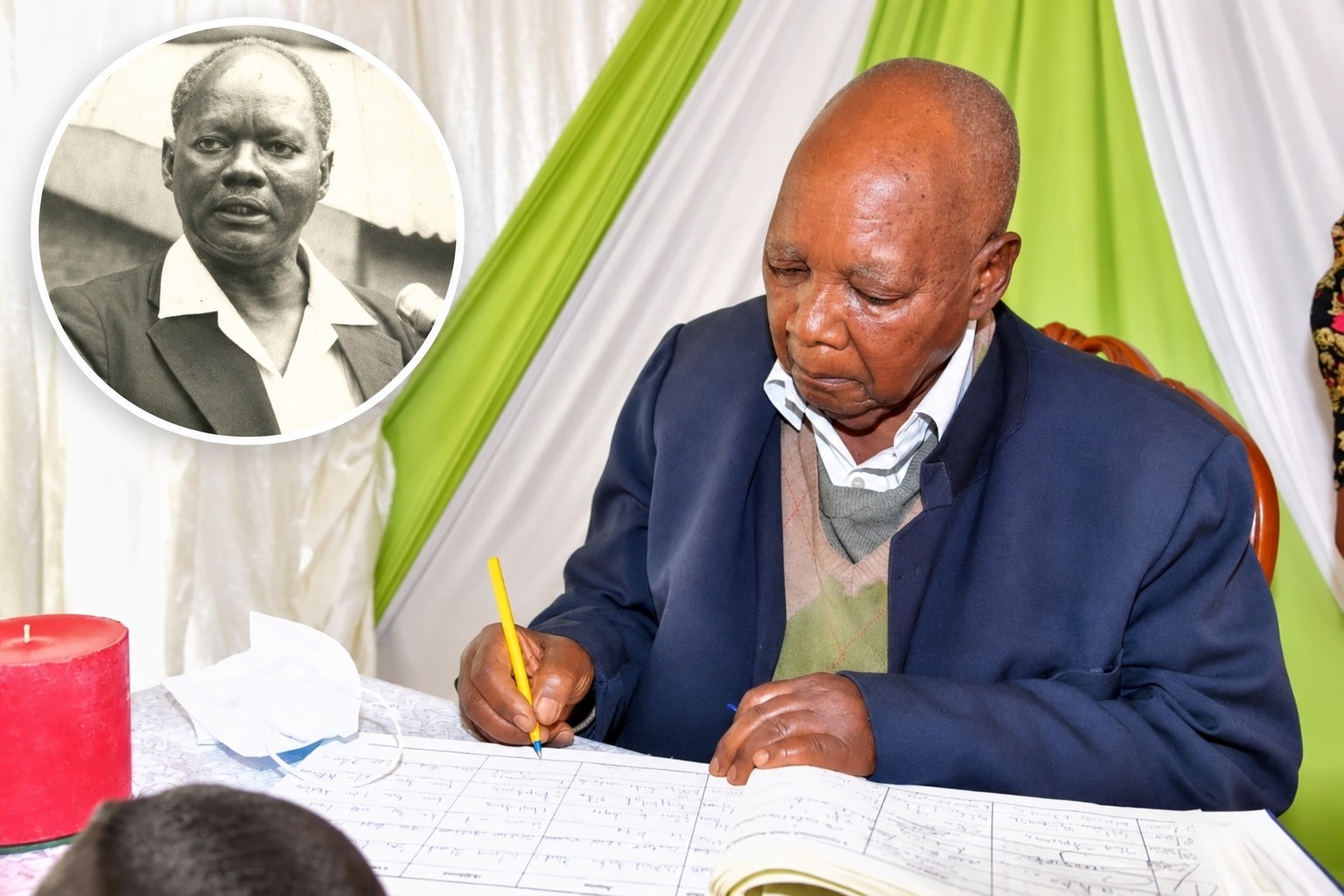
The announcement also comes hours after South African jurist Navi Pillay, a former ICC Appeals Chamber judge who served from 2003 to 2008, won the Nobel Peace Prize for her work in international criminal justice.
The Nobel committee said the award was intended to draw attention to a period in which judges and institutions responsible for upholding international law were facing political attacks.
Meanwhile, the Trump administration said the sanctions had been structured to give the ICC and its member states an opportunity to address American concerns.
A senior State Department official said the US Treasury would issue licences intended to protect American interests, potentially allowing exemptions from certain restrictions.
The administration had previously imposed sanctions on ICC officials during Trump's first term, but those measures were rescinded under President Joe Biden. Washington announced fresh sanctions against court officials shortly after Trump returned to office in January 2025.
In preparation for possible wider restrictions, ICC officials have reportedly taken steps to reduce their reliance on American technology, including shifting office computers away from Microsoft software to open-source alternatives and making alternative banking and health insurance arrangements.
The court's registrar, Osvaldo Zavala Giler, earlier called on the European Union to prepare a blocking mechanism to protect European entities from the extraterritorial effects of US sanctions.
Rubio said Washington had delayed the measures in the hope that the ICC and countries party to the Rome Statute would address its concerns, but that efforts had failed.
“Either the ICC will end its threats, or we will end the ICC,” Rubio said, urging US allies to pressure the tribunal to change its approach.
He added that Washington remained open to negotiations but warned that further measures could follow if no agreement was reached.