Uganda's central bank will hold its next Monetary Policy Committee meeting on November 9, 2026, as policymakers assess whether to raise interest rates again following accelerating inflation and renewed pressure on the shilling. The meeting comes less than a month after the Bank of Uganda raised its benchmark Central Bank Rate to 12 per cent.
The October 14 emergency decision lifted the rate by 225 basis points from 9.75 per cent, marking a significant tightening of monetary policy. The central bank said the move was intended to contain inflation, limit the impact of higher energy prices and prevent currency depreciation from increasing domestic costs.
Fresh inflation figures have added to the pressure ahead of the November meeting. Uganda's annual headline inflation accelerated to 5.8 per cent in October from 4.6 per cent in September, its highest level since June 2023. Core inflation rose to 4.4 per cent, while food inflation climbed to 10.7 per cent.
Higher food and fuel prices have increased pressure on households, while rising import costs have heightened the risk of broader price increases. The central bank is seeking to keep inflation expectations anchored around its medium-term target of 5 per cent.
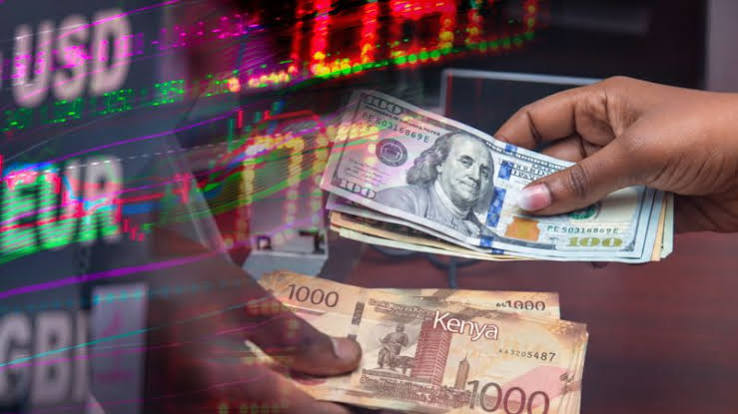
The currency, however, has recovered some ground after weeks of depreciation. Commercial banks quoted the Ugandan shilling at between UGX4,040 and UGX4,050 per US dollar on November 5, compared with UGX4,345 to UGX4,355 a week earlier.
Currency traders told Reuters they expected another interest-rate increase at the November 9 meeting, although they anticipated a smaller adjustment than October's emergency hike. They cited expectations of tighter monetary policy and scarce liquidity as factors supporting the shilling's recent recovery.
A further increase would raise borrowing costs for businesses and households, potentially slowing credit demand and investment. However, maintaining higher rates could help limit currency weakness and contain inflation if external price pressures persist.
The committee's decision will therefore be closely watched by banks, investors and businesses across Uganda. Its policy statement is expected to provide further guidance on the central bank's assessment of inflation, exchange-rate risks and the direction of interest rates in the coming months.