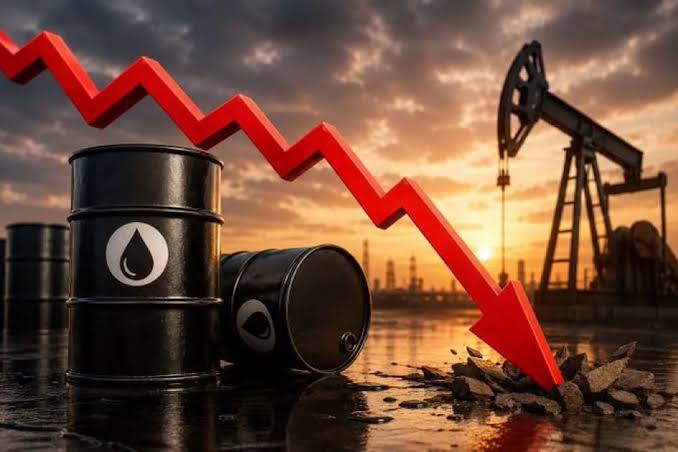
Oil prices were on course for a weekly decline of approximately 12% on Friday, November 6, 2026, as investors anticipated possible de-escalation of the US-Israeli conflict with Iran following US midterm election results, although renewed tanker attacks in the Gulf and Strait of Hormuz continued to support prices.
Brent crude futures for January delivery rose by $1.57, or 1.6%, to $99.86 per barrel in early Friday trading, while US West Texas Intermediate (WTI) crude gained $1.10, or 1.22%, to $91.62 per barrel. Both benchmarks recorded gains for a second consecutive session but remained on track for substantial weekly losses.
Brent was set to decline by approximately 12% over the week, while WTI was expected to fall by 12.1%. The contracts came under heavy pressure earlier in the week after Democrats secured control of both chambers of the US Congress in the November 3 midterm elections.
The election outcome initially encouraged expectations that the political shift could increase pressure on President Donald Trump's administration to pursue diplomatic efforts to end the conflict with Iran. The war, now in its ninth month, has disrupted energy shipments from the Middle East and contributed to volatility in global oil markets.
Oil prices fell by approximately 8% on Wednesday alone, reaching their lowest closing levels in two months. However, the market subsequently recovered some losses as renewed security incidents raised doubts about whether the conflict would end quickly enough to restore normal shipping activity.
Iran reported that three additional tankers had been attacked in the Strait of Hormuz on Thursday. The United Kingdom Maritime Trade Operations (UKMTO), a maritime security agency, also reported that attacks on vessels remained close to record levels.
The Strait of Hormuz is a critical shipping route for global energy supplies, connecting major Middle Eastern oil producers to international markets. Any prolonged disruption to tanker movements through the passage could restrict exports and tighten available supplies, limiting the extent to which crude prices can fall.
Daniel Hynes, senior commodity strategist at ANZ, said traders viewed Wednesday's sell-off as excessive, contributing to the subsequent recovery. He also noted that Iran maintained control of the Strait of Hormuz, with overall flows through the passage operating at below 60% of capacity.
The competing outlook for diplomatic progress and continued supply disruptions leaves oil markets exposed to further price swings. Traders will be monitoring developments in the Iran conflict, tanker security and shipping activity through the Strait of Hormuz to determine whether the recent recovery can be sustained.