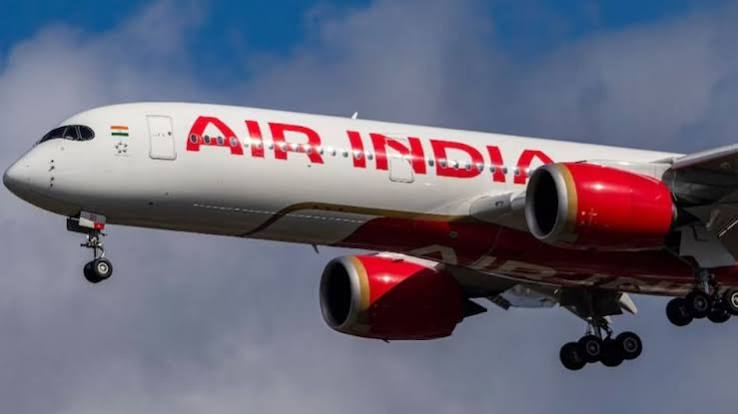
Air India has proposed introducing a levy on aviation turbine fuel (ATF) purchased by domestic and foreign airlines in India, seeking government approval for a mechanism to compensate Indian carriers facing higher operating costs because of Pakistan's airspace restrictions.
The proposal seeks to use collections from airlines refuelling in India to provide fuel discounts to domestic carriers forced to take longer routes after Pakistan barred Indian aircraft from its airspace.
Under the proposed arrangement, Indian airlines would receive discounts based on their fuel contributions, while levies collected from foreign carriers would help finance additional discounts for Indian operators affected by the restrictions.
The proposal is intended to address what Air India considers an uneven competitive environment. Indian airlines flying to Europe and North America have been forced to take longer routes, increasing fuel consumption, flight times and crew expenses, while foreign competitors can continue using Pakistani airspace.
The financial burden has been substantial for Air India. The airline previously estimated that the restrictions could cost it more than 50 billion rupees, or approximately US$591 million, annually if they remained in place for a full year.
The latest proposal comes as the airline continues to face pressure from higher fuel prices and additional airspace restrictions linked to geopolitical tensions in the Middle East.
Reports on November 5, 2026, said the proposed levy would apply to aviation fuel uplifted in India by both domestic and international carriers. The final rate and implementation arrangements have not yet been confirmed.
The proposal could also have implications for international airlines operating flights from Indian airports. If approved, the additional fuel charge could increase their operating expenses, although it remains unclear whether carriers would absorb the cost or pass some of it on to passengers through higher fares.
India's aviation industry has already faced pressure from rising fuel prices. Aviation turbine fuel is one of the largest expenses for airlines, making longer flight routes particularly costly when combined with higher international energy prices.
The restrictions have also affected flight schedules and route planning. Air India has previously adjusted some international services because longer journeys have made certain routes more expensive to operate.
The proposal now places the government in a difficult position as it considers how to support domestic airlines without imposing an excessive cost burden on foreign carriers and passengers.
For Air India, the objective is to reduce the financial disadvantage created by the airspace restrictions while maintaining its international network.
However, the proposed levy is not yet an approved policy. Its eventual impact will depend on the government's decision, the structure of the charges and how airlines respond once the mechanism is finalised.