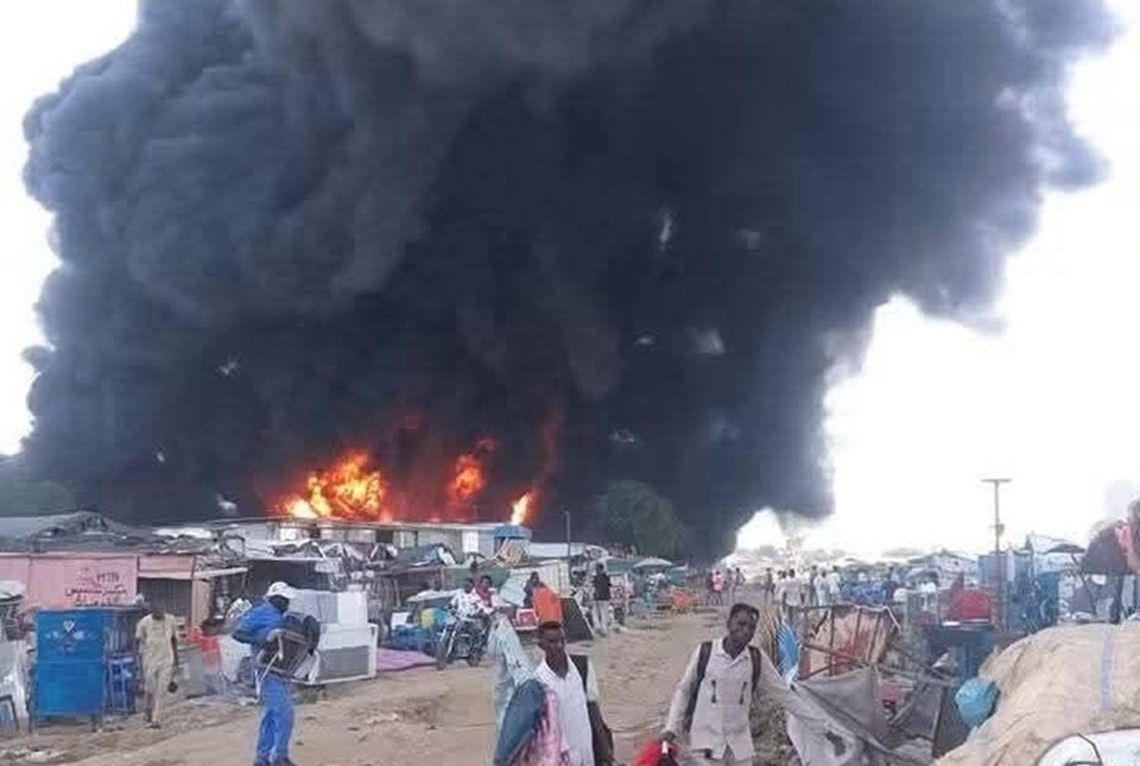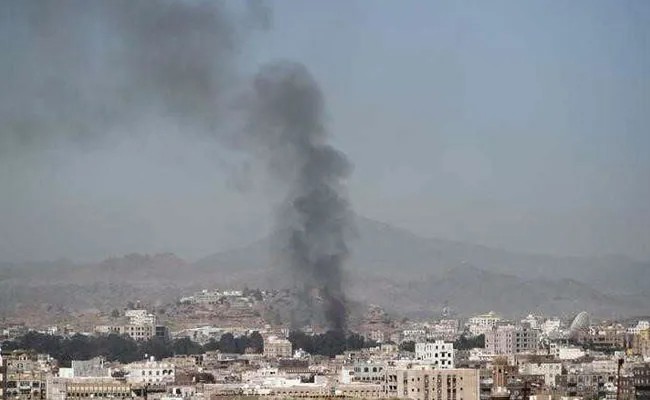
Saudi Arabia has intercepted and destroyed a ballistic missile launched by Yemen’s Houthi rebels towards the capital, Riyadh, as tensions across the Middle East continue to rise amid the ongoing conflict involving Iran, the United States and Israel.
According to Al Jazeera, the Saudi-led coalition spokesperson, Major-General Turki al-Maliki, confirmed that the missile had been intercepted before reaching its intended target.
The development adds to growing security concerns in the Gulf region, where repeated missile and drone attacks have threatened civilian infrastructure, airports and vital economic facilities.
Al Jazeera has reported several similar interceptions in recent days as the Houthis intensify their attacks against Saudi Arabia.
On October 14, the Saudi-led coalition said it had intercepted and destroyed a ballistic missile launched towards Riyadh, following earlier attacks that caused casualties and disrupted airport operations.
The latest incident comes as diplomatic efforts to ease the wider regional crisis continue. Qatar’s Foreign Ministry spokesperson, Majed al-Ansari, has said negotiations between Iran and the United States remain ongoing, with both sides continuing diplomatic engagement despite growing tensions and fears of renewed fighting.
Qatar has been among the regional actors supporting dialogue as concerns mount over the potential consequences of a prolonged conflict.
The Strait of Hormuz remains a major focus because of its importance to international oil and gas shipments. Any disruption to shipping through the strategic waterway could affect global energy supplies and international trade.
Meanwhile, Iran is strengthening its strategic relationship with Russia. Iranian Foreign Minister Abbas Araghchi held talks with Russian Foreign Minister Sergey Lavrov in Tehran, with the two countries maintaining close diplomatic engagement as the regional security situation deteriorates.
Araghchi has emphasised the strength of relations between Tehran and Moscow, a partnership that could influence diplomatic discussions surrounding the conflict. Russia’s engagement with Iran is also attracting attention as Gulf countries seek ways to reduce tensions and protect regional stability.
The crisis has also raised concerns over critical infrastructure. In a separate development reported by Al Jazeera, Iran’s Islamic Revolutionary Guard Corps spokesperson, Brigadier-General Hossein Mohebbi, warned that undersea communication cables in the Strait of Hormuz could be targeted if US military action threatened Iran’s regional security.
Such threats have implications beyond the battlefield because undersea cables carry substantial volumes of international internet and telecommunications traffic.
The missile interception and the continued exchange of warnings highlight the growing risk of further escalation across the Middle East. While diplomatic channels remain open, repeated military incidents and threats to strategic infrastructure continue to complicate efforts to achieve lasting stability.