Uber is shifting spending from passenger discounts to driver incentives as it struggles to attract and retain enough drivers, a strategy that could result in higher fares for customers using the ride-hailing platform.
Chief Executive Dara Khosrowshahi announced the change during the company's third-quarter earnings call on November 4, 2026, saying Uber was reducing incentives previously used to make rides cheaper and redirecting the money towards payments designed to encourage drivers to accept more trips.
The adjustment reverses the company's approach last year, when a larger share of its promotional spending went towards attracting passengers and stimulating demand.
"This year, we're taking down rider incentives, and we're using those dollars to fund driver incentives," Khosrowshahi told analysts.
He acknowledged that the move could sometimes mean higher prices for passengers, although the company would monitor the impact and balance fare affordability against the need to maintain an adequate supply of drivers.
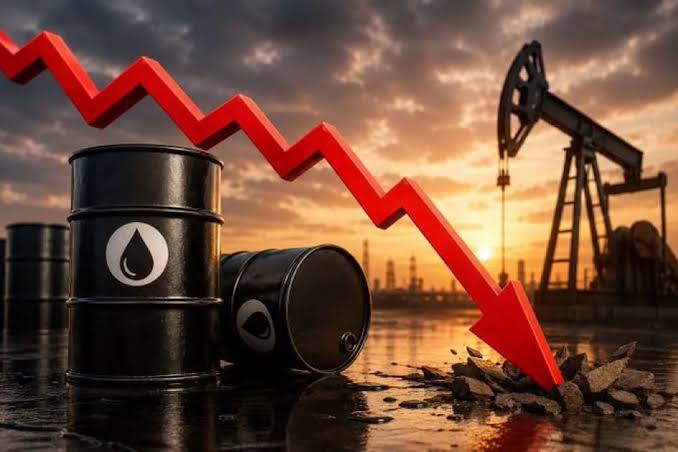
The change comes as Uber faces driver shortages across several markets, with higher fuel costs and changing labour conditions making it harder to attract workers to its ride-hailing and delivery services.
The shortage has been particularly challenging in Canada, where tighter immigration conditions have affected driver availability, while rising fuel expenses have squeezed drivers and customers in markets including Brazil and India.
Uber's management said it was increasing spending to recruit and retain drivers and delivery couriers, with incentives targeted at locations and periods when demand is expected to exceed available supply.
The company uses algorithms trained on billions of trips to determine where incentive payments are likely to have the greatest impact. The system helps it decide whether additional spending should go towards attracting drivers in one market or encouraging passengers to book rides in another.
The strategy reflects a growing challenge for ride-hailing platforms: maintaining affordable fares while ensuring drivers earn enough to remain active on their platforms.
For passengers, reduced discounts could mean losing some of the promotional savings that have helped make app-based transport attractive. In areas where driver availability is limited, higher incentive spending could also feed into fares, although Uber has not announced a blanket price increase.
The pressure is emerging as the company deals with slower growth in its mobility business. Uber reported third-quarter revenue of $14.77 billion, up 10% year-on-year, while mobility gross bookings growth slowed to 17% from 20% in the previous quarter.
Uber also forecast fourth-quarter adjusted earnings of between 95 and 99 cents per share, below the $1.06 expected by analysts, citing driver shortages, higher fuel costs and the effects of the Middle East conflict.
The company's latest approach signals a shift in priorities from attracting more passengers through discounts to ensuring enough drivers are available to serve existing demand.