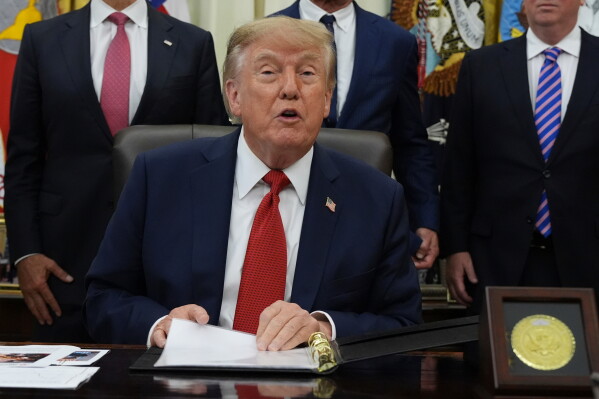
President Donald Trump has barred CNN, Politico, and MS NOW from the White House, accusing them of spreading 'fake news' about his administration. This controversial decision, announced on Friday, has ignited significant backlash and debate over press freedom in the United States.
The ban was implemented as Trump traveled to New York for the United Nations General Assembly, leading major US networks to suspend their White House pooled coverage. This action has intensified the already strained relationship between the Trump administration and several media organizations.
In response to the ban, CNN, MS NOW, and Politico have announced plans to sue the Trump administration, challenging the legality of their exclusion. The lawsuit argues that the ban infringes on the First Amendment rights of the press, raising serious concerns about the implications for journalistic freedom.
This situation underscores the ongoing tensions between President Trump and the media, with accusations of 'fake news' frequently directed at outlets critical of his policies. The outcome of the lawsuit could set a significant precedent for future interactions between the US government and the press.
As the legal proceedings unfold, media and political analysts are closely monitoring the situation to assess its impact on the relationship between the White House and the press, as well as the broader implications for freedom of the press in the United States.