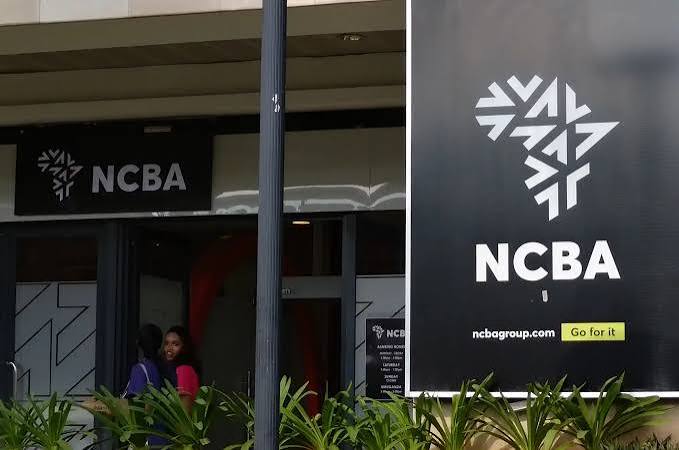
Kiharu MP Ndindi Nyoro has alleged that President William Ruto and Nigerian billionaire Aliko Dangote are pursuing a plan to acquire majority control of the Kenya Pipeline Company (KPC), following the sale of a 24.76% stake worth approximately KSh42.5 billion to Dangote’s business group.
In a statement published on X, Nyoro claimed the transaction was the first phase of a wider plan to increase private ownership of the state-controlled petroleum transporter to between 51% and 75%, potentially reducing the government’s stake to below 20%.
The allegations come after Dangote confirmed on Wednesday, October 21, that his group had acquired approximately a quarter of KPC, which operates the pipeline network used to transport petroleum products from Mombasa to inland Kenya and neighbouring countries.
The 4.5 billion shares changed hands through a block transaction on the Nairobi Securities Exchange (NSE) on Monday, October 19.
Nyoro alleged that the government had first directed chief executives of public institutions holding KPC shares to sell their stakes to a private investor.
He argued that the institutions had been pressured to purchase shares during the company’s initial public offering (IPO) earlier in the year before being directed to sell part of their holdings.
The legislator further claimed that the sale disadvantaged public institutions and pensioners because the shares were disposed of at a loss.
However, available transaction reports indicate that the shares were sold at approximately KSh9.02 per share, close to the KSh9 IPO price. The claim that the institutions suffered a loss has not been independently established by the reported sale price alone.
According to Nyoro, the next phase would involve a rights issue through which existing shareholders would be offered additional shares in proportion to their holdings.
He alleged that the government would decline to take up its allocation, citing a lack of funds, allowing Dangote-linked interests to acquire the shares and increase their ownership.
Nyoro also claimed that the National Social Security Fund (NSSF) could decline to participate if it retained its remaining stake, while Uganda could be persuaded not to exercise its rights.
He projected that the proposed arrangement could give the alleged consortium between 51% and 58% of KPC if Uganda participated in the rights issue, or approximately 75% if it did not.
The proposed rights issue and the projected ownership changes have not been independently confirmed. No publicly verified agreement establishing such a plan has been identified in the available reporting.
The transaction has renewed questions about the ownership of KPC, less than eight months after the company was listed on the NSE following the government’s partial privatisation programme.
The government offered 65% of KPC for sale during the IPO, which opened on January 19 and closed on February 24, 2026. Trading began on March 9. The state retained a 35% stake, while Uganda National Oil Company acquired 20.15%. NSSF also emerged as a major shareholder after investing billions of shillings in the offering.
The IPO attracted substantial participation from public institutions after private-sector demand fell short of expectations. 13 state-backed pension schemes and agencies invested a combined KSh64.23 billion in the offering, acquiring a 38.35% stake in the company.
Nyoro has questioned why public institutions would purchase shares during the IPO only to sell a significant portion of their holdings months later. He has also demanded the disclosure of KPC’s shareholders’ register and the investment agreement associated with the wider energy-sector arrangements.
President Ruto has defended the recent transaction, describing the acquisition of a 25% stake by private investors as evidence of growing confidence in Kenya’s capital markets and a way to mobilise private capital for strategic infrastructure.
Dangote’s investment comes amid his expanding energy interests in Kenya, including plans for a major petroleum refinery in Lamu. The refinery project is intended to strengthen regional fuel production and distribution, while the existing KPC network remains central to the movement of petroleum products across East Africa.
Nyoro argues that the alleged arrangement could give politically connected interests greater influence over Kenya’s petroleum sector.
He has called for the disclosure of Dangote East Africa Petroleum Refinery’s shareholders and the investment agreement, saying Kenyans should be able to scrutinise the terms governing strategic national infrastructure.
The central questions now concern the identity and beneficial ownership of the investors involved in the KPC transaction, the terms of the relevant investment agreements and whether any further share sale or rights issue is planned.
As of October 22, the reported acquisition of the 24.76% stake is confirmed, but Nyoro’s claims of a coordinated plan to secure majority control through future transactions remain allegations requiring further documentary evidence and responses from the parties concerned.