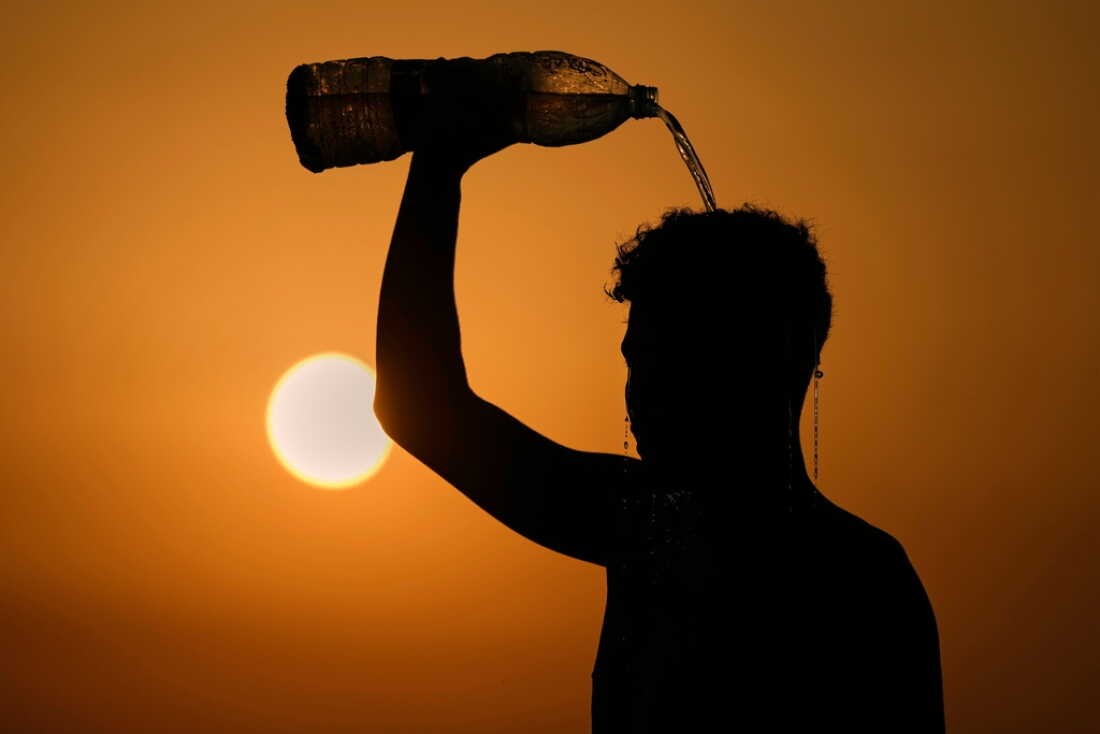
Residents of Nairobi and its environs are experiencing unusually hot weather as clear skies, intense sunshine and the delayed onset of seasonal rainfall combine to push daytime temperatures higher.
The heat comes at a time when Kenya is expected to transition into the October-November-December short rains season, which typically brings increased cloud cover, afternoon showers and cooler conditions in parts of the country.
However, limited rainfall and prolonged sunshine have allowed the ground to absorb more solar energy, leaving many residents feeling uncomfortable, particularly during the afternoon hours.
Nairobi's location near the equator means the sun can be nearly overhead at certain times of the year, resulting in intense solar radiation.
This means residents can experience strong sunshine and potentially harmful ultraviolet radiation even when temperatures do not appear exceptionally high.
The situation is further compounded by the urban heat island effect, particularly in heavily built-up areas such as the Central Business District, Upper Hill and along Mombasa Road.
Concrete buildings, rooftops and tarmac roads absorb heat during the day and release it gradually, making these areas warmer than neighbourhoods with more vegetation.
Although Nairobi's elevation generally helps moderate temperatures, it does not completely shield the city from prolonged sunshine and rising daytime heat.
The absence of substantial cloud cover and rainfall can also reduce the natural cooling effect that usually accompanies the short rains season.
The onset of the October-November-December rains varies from year to year, and the season does not necessarily begin with consistent rainfall across the country.
As a result, residents may continue experiencing hot and dry conditions even as the rainy season approaches.
The prevailing heat has raised concerns about the risk of dehydration and other heat-related illnesses, particularly among children, older people, outdoor workers and individuals with underlying health conditions.
Residents are advised to drink water regularly throughout the day, even when they do not feel thirsty, and to limit prolonged exposure to direct sunlight.
Where possible, strenuous outdoor activities should be scheduled for the early morning or late afternoon, when temperatures are generally lower.
People working outdoors, including construction workers, hawkers, security guards and traffic officers, should take regular breaks in shaded or cool areas. Wearing lightweight, loose-fitting clothing, a wide-brimmed hat and sunglasses can also help reduce the effects of the heat. Sunscreen can provide additional protection against ultraviolet radiation.
At home, residents can reduce indoor temperatures by closing curtains or blinds when direct sunlight enters through windows and opening windows when the outside air becomes cooler.
Families are also encouraged to check on older relatives, young children and neighbours who may be more vulnerable to hot conditions.
Symptoms of heat-related illness include headaches, dizziness, nausea, muscle cramps, unusual weakness and excessive thirst.
Anyone experiencing these symptoms should move to a cool place, rest and drink water if they are fully conscious and able to swallow.
Confusion, seizures or loss of consciousness may indicate heatstroke, a medical emergency requiring immediate medical assistance.
The affected person should be moved away from the heat and cooled while help is sought.
The duration of the hot conditions will depend on changes in cloud cover, wind patterns and the distribution of rainfall across the region.
The arrival of the short rains could bring some relief, although rainfall may not be uniform across Nairobi and neighbouring counties.
Residents are encouraged to follow official weather updates from the Kenya Meteorological Department for the latest information on expected rainfall and temperature changes.
In the meantime, staying hydrated, avoiding unnecessary exposure to direct sunlight and taking precautions against heat-related illnesses remain essential as Nairobi and its surrounding areas continue to experience unusually hot conditions.