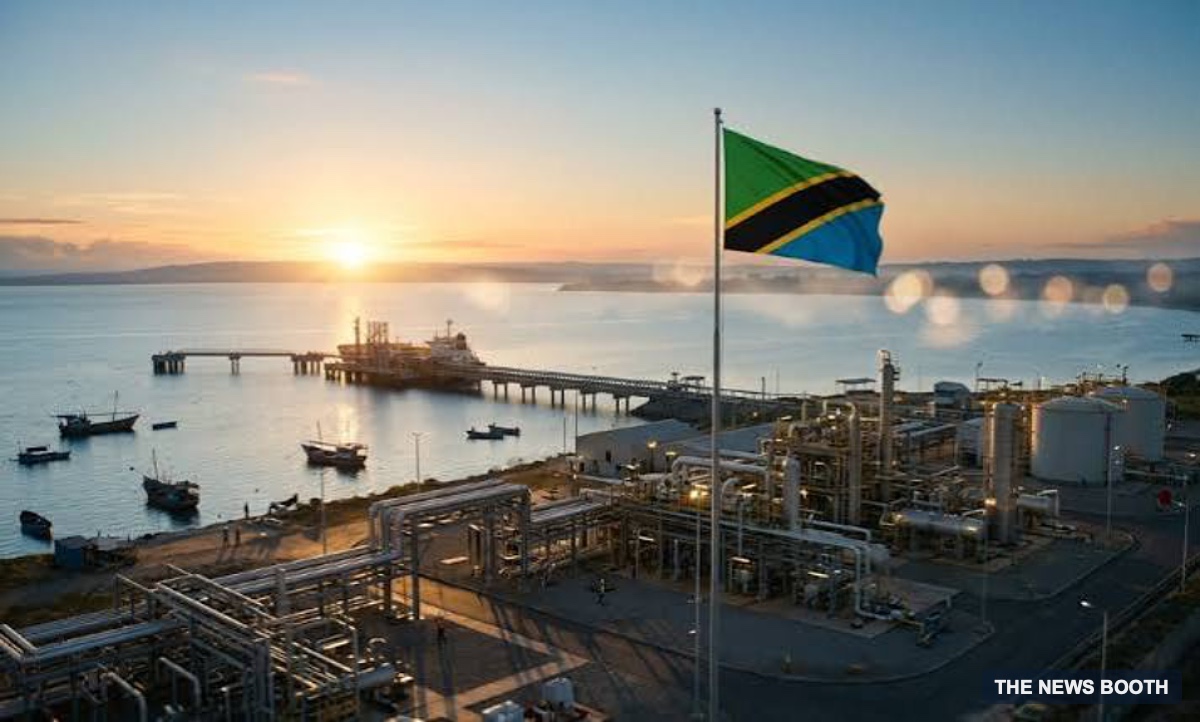
Tanzania plans to drill its first oil exploration well in the Tanga Block in 2027 after new analysis of seismic data identified three geological prospects with indications of possible petroleum deposits.
Petroleum Upstream Regulatory Authority (PURA) Director General Charles Sangweni announced the plan on November 23 while presenting the regulator's performance report for the 2025/26 financial year in Dar es Salaam.
The three prospects, identified as Prospect 1, Prospect 3 and Prospect 5, emerged from a fresh interpretation of three-dimensional seismic data collected in the block. Preparations for drilling are under way, with the planned well expected to establish whether the structures contain commercially viable oil deposits.
The prospects are not confirmed oil discoveries. Their commercial potential will only become clearer after drilling and further evaluation.
The Tanga Block covers approximately 1,891.73 square kilometres and is operated by Octant Energy Tanga Limited, which holds a 74 per cent interest. Petrodel Resources Limited holds the remaining 26 per cent.
The exploration programme forms part of Tanzania's wider effort to expand its upstream petroleum industry and identify additional domestic energy resources.
PURA is also overseeing exploration work in other areas, including Eyasi-Wembere and Lindi-Mtwara. In Eyasi-Wembere, two-dimensional seismic data collection had reached 772 kilometres out of a 779-kilometre target by June 2026. In Lindi-Mtwara, three-dimensional surveys covered 257.96 square kilometres of a planned 736.3 square kilometres.
Tanzania's petroleum sector already has established natural gas production. PURA reported that two wells in the Mnazi Bay Block, MB-5 and MS-2, had begun producing gas, with respective capacities of 40 million and 50 million cubic feet per day.
The regulator also reported an estimated 223 billion cubic feet of natural gas from the Kasa-1X exploration well.
For Tanzania, the Tanga drilling programme represents an opportunity to establish whether its petroleum potential extends beyond existing gas-producing areas. A commercial discovery could attract further exploration investment and create opportunities for local suppliers and service companies.
However, the project remains at the exploration stage. The results of the planned well, the cost of developing any discovery and the availability of infrastructure will determine whether the prospects can eventually support commercial production.