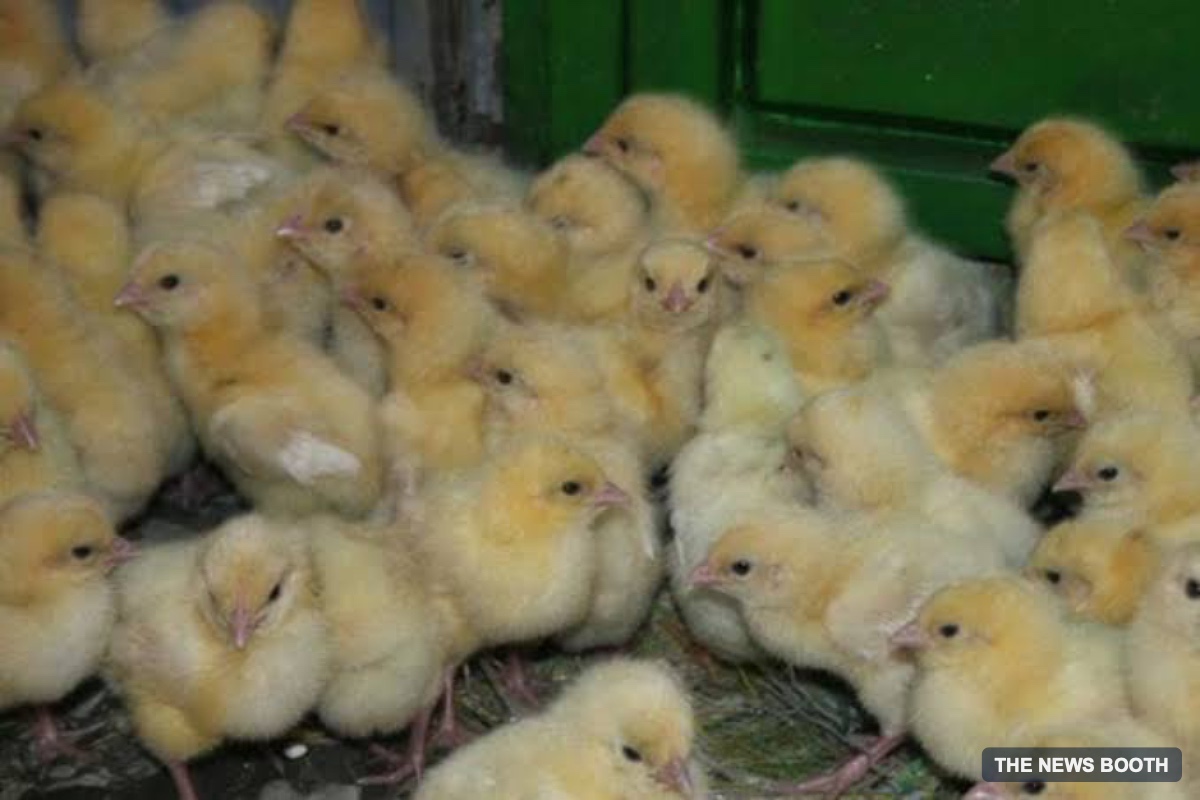
Kenya's shortage of commercial layer chicks is threatening future egg production, with poultry farmers facing delivery delays of up to six months as hatchery output struggles to keep pace with demand.
The supply constraints are affecting farmers in Kiambu, Nairobi and Machakos, where some producers have reportedly waited months for orders despite making advance payments. The disruption comes as the country continues to grapple with a substantial gap between domestic egg production and estimated consumption.
Josephat Smollo, Deputy Director of Livestock Production at the State Department of Livestock Development, confirmed that the shortage affects several poultry categories, including commercial layers, broilers and improved indigenous chickens. He attributed the problem to inadequate day-old chick production relative to demand.
Data from the department shows Kenya produced 6.651 billion eggs in 2024 against estimated annual demand of nine billion, leaving a shortfall of approximately 2.35 billion eggs. The value of egg production was estimated at Sh103.3 billion during the year.
The shortage could make it harder for commercial farmers to expand or replace ageing laying flocks. Unlike finished eggs, which can be supplied to the market immediately, newly acquired layer chicks require several months of rearing before they begin producing eggs.
The delays are also increasing the financial pressure on poultry businesses. Kiambu farmer Monica Gathii said she ordered 40,000 chicks in July 2026 but had received only 10,000 by November, despite paying Sh6.4 million upfront.
The supplier subsequently raised the reported price from Sh160 to Sh175 per chick, with the revised rate applying even to existing orders. This adds to farmers' exposure to higher costs while their production plans remain uncertain.
The wider poultry industry is already contending with expensive feed, which accounts for approximately 80 per cent of production costs, according to the livestock department. High input costs make it more difficult for farmers to absorb higher chick prices or invest in expanding their flocks.
The government has identified increased domestic chick production, more affordable feed ingredients and stronger local supply chains as priorities for improving poultry output. However, expanding hatchery capacity requires investment, reliable breeding stock and distribution systems capable of supplying farmers consistently.
For consumers, the immediate impact of the shortage remains uncertain, but a prolonged disruption could constrain egg availability and add pressure to prices. The next concern is whether local hatcheries can increase production quickly enough to prevent the supply gap from widening.