
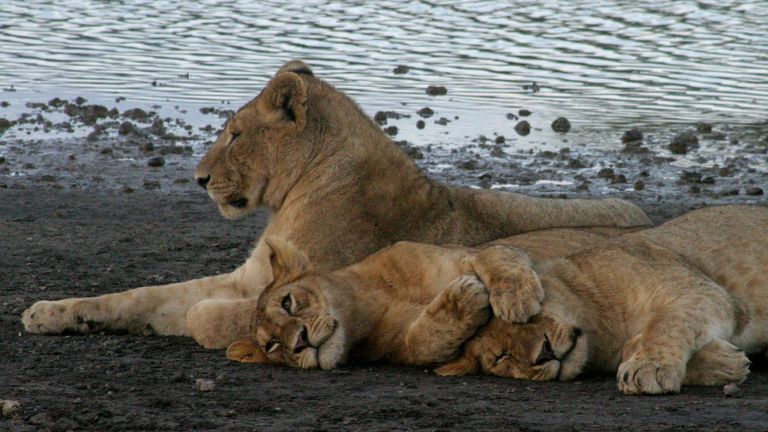
Ten lions have been discovered dead in Tanzania's renowned Ngorongoro Conservation Area, with authorities suspecting poison as the cause. This incident, reported on September 20, 2026, has sparked significant concern regarding the safety of wildlife in East Africa. The Ngorongoro Conservation Area, a UNESCO World Heritage site, is a critical habitat for numerous species, including lions, which are a major attraction for tourists.
The discovery of the dead lions has prompted a thorough investigation by Tanzanian wildlife authorities. The suspected poisoning raises alarms about the ongoing threats faced by wildlife in the region. Conservationists are particularly worried about the implications of such incidents on the already vulnerable lion population.
Wildlife poisoning has been a persistent issue in East Africa, often linked to human-wildlife conflicts. In some cases, poisons are used to retaliate against predators that threaten livestock. However, the impact on biodiversity and tourism can be devastating. The Ngorongoro Conservation Area, home to a rich array of flora and fauna, plays a crucial role in Tanzania's tourism industry, which is a significant contributor to the national economy.
Authorities are now focusing on identifying the source of the poison and implementing measures to prevent further incidents. Enhanced surveillance and community engagement are among the strategies being considered to safeguard wildlife. As the investigation continues, the international community watches closely, underscoring the need for collaborative efforts in wildlife conservation across the region.
Moving forward, the findings of this investigation could lead to more stringent policies and increased awareness about the importance of protecting East Africa's iconic wildlife. The situation highlights the delicate balance between human activities and wildlife conservation, a challenge that requires urgent attention.