STOCKHOLM, SWEDEN — Swedes are heading to the polls in a pivotal general election that could reshape the country's political landscape by potentially bringing the far right into government for the first time, or reinstating the left-wing opposition. This election is a contest between the conservative Prime Minister Ulf Kristersson’s right-wing alliance, which includes the controversial Sweden Democrats, and a four-party left-wing bloc led by former Prime Minister Magdalena Andersson.
In the lead-up to the election, opinion polls had initially given Andersson’s bloc a comfortable lead, reflecting public support for her Social Democrats' focus on bolstering Sweden’s welfare system and addressing the financial strain on households amid rising living costs. However, the race has tightened significantly in the final days of campaigning, making the outcome uncertain. "It is now up to the Swedish people to decide which direction our country should take," Andersson stated after casting her vote on Sunday morning, underscoring the high stakes of this election.
Election overview and key players
Kristersson, on the other hand, has campaigned on his administration’s achievements in tackling organised crime and immigration issues. He has pointed to a reduction in deadly shootings and bombings, as well as a historic low in asylum applications, as evidence of his government's effectiveness. The election has also brought significant attention to Jimmie Åkesson’s Sweden Democrats, a party that has gained influence by supporting Kristersson’s minority government in parliament following the 2022 election. Åkesson's party is now aiming for formal positions in government, with Kristersson indicating that the Sweden Democrats could be awarded key cabinet posts if the right-wing bloc emerges victorious.
Campaign strategies and issues
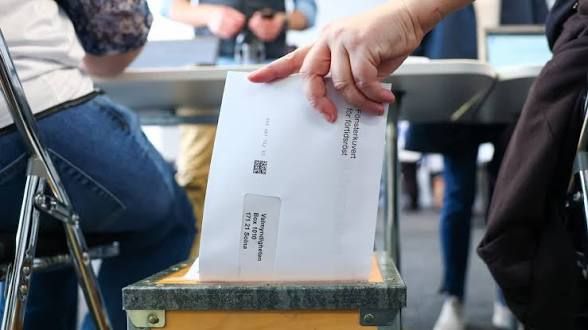
Approximately eight million Swedes are eligible to vote in this election, with about half having already participated in advance voting. Polling stations are set to close at 8pm local time, at which point exit polls will be released. Reliable results are anticipated several hours later. A victory for the right-wing alliance could simplify the process of forming a government. Conversely, a win for Andersson’s bloc might lead to complex negotiations among its four ideologically diverse parties, each with distinct priorities and policy goals.
Implications of the election results
This election is being closely watched not just in Sweden, but across Europe, as it could signal a shift in the political tide towards more right-wing governance in the region. The outcome will determine Sweden's direction on key issues such as welfare, crime, and immigration, and could have lasting implications for its role within the European Union.