At least 10,000 Kenyans have fled their homes along the Ethiopia border after cross-border fighting sent stray bullets and rocket-propelled grenades into residential areas, killing two people and injuring 22 others, in a growing security and humanitarian crisis in Marsabit County.
Marsabit Governor Mohamud Ali said a government-led rapid needs assessment had established that about 10,000 residents had been displaced within the county as violence between forces from Ethiopia’s Oromia and Somali regions continued to spill across the border.
The fighting has also driven more than 50,000 Ethiopians into Marsabit in search of safety, putting pressure on local communities and already stretched public services.
Impact on local communities
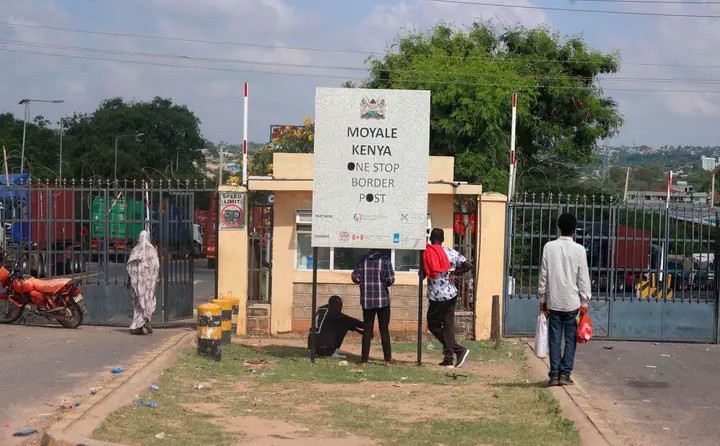
Residents in Moyale, particularly those living in Sessi, Biashara Street, Lami and Heillu, have been forced to abandon their homes after ammunition landed near civilian settlements.
Unexploded explosive devices have also been reported close to homes and public facilities, raising fears of further casualties.
The crisis erupted on October 18 following a dispute involving a regional flag and the killing of a 13-year-old girl.
It has since spread across districts along the disputed Oromia-Somali boundary, where longstanding territorial tensions have fuelled deadly clashes.
Governor Ali warned that the consequences were extending beyond insecurity, with schools, national examinations, electricity supply and cross-border trade disrupted.
Health and humanitarian concerns
Families displaced from their homes are sheltering in temporary facilities and private residences, while some host communities struggle to meet the needs of those seeking refuge.
The county government has also raised alarm over worsening health conditions in crowded shelters, citing shortages of essential medicines, deteriorating nutrition and confirmed cases of measles and rubella.
Authorities fear further disease outbreaks unless urgent support is provided, including vaccination, clean water, sanitation and medical care.
The unfolding emergency is placing an additional burden on a region already facing resource constraints.
County authorities are coordinating food, water, healthcare and shelter assistance with national agencies and humanitarian organisations, but the governor says available support remains inadequate.
Call for increased assistance
Ali has appealed to the National Government, United Nations agencies and development partners to scale up assistance, while urging community leaders to prevent retaliation and stop the conflict from deepening ethnic tensions.
The developments have turned fighting across the border into a direct threat to Kenyan civilians, livelihoods and essential services, demanding coordinated action from authorities and humanitarian partners.
Kenyan security agencies face mounting pressure to protect border communities, secure unexploded ammunition and prevent the violence from spreading further into the country.