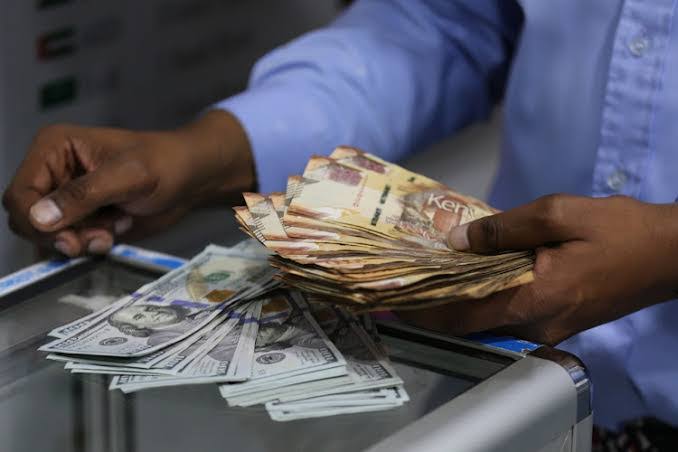
The Kenyan shilling traded at 129.95 against the US dollar on Friday, October 30, 2026, according to the Central Bank of Kenya (CBK) daily exchange rates. The latest figures also placed the British pound at KSh173.20 and the euro at KSh144.74, providing an updated benchmark for businesses, importers, exporters and individuals dealing in foreign currencies.
The CBK's daily exchange-rate schedule showed that 100 Japanese yen traded at KSh82.31. Other regional and international currencies included the Ugandan shilling at KSh33.43, the Tanzanian shilling at KSh20.32, the Rwandan franc at KSh11.35 and the South African rand at KSh7.80.
The rates are important for businesses involved in international trade because currency movements influence the cost of importing goods, settling overseas invoices and converting export earnings.
Companies purchasing machinery, fuel, vehicles, pharmaceutical products and other imported supplies often monitor the dollar and other major currencies when planning their operating budgets.
For Kenyan households, exchange rates also affect the amount received from relatives and friends sending money from abroad. Kenyans paying international school fees, travel expenses, subscriptions or other overseas bills may also use the daily rates as a reference when estimating their costs.
The US dollar remains particularly important to Kenya's economy because a substantial share of international trade, commodity transactions and external financial obligations is denominated in the currency. Movements against the dollar can therefore influence import costs and the domestic prices of goods whose supply chains depend on foreign purchases.
The British pound and euro are also relevant to Kenya's trade and financial relationships with European markets. Their exchange rates affect transactions involving imports, tourism, education payments and remittances from Kenyans living and working abroad.
However, the CBK's published rates should be treated as reference rates rather than guaranteed prices available to every customer. Commercial banks, foreign-exchange bureaus and money-transfer providers may apply different buying and selling rates, depending on their pricing structures, transaction costs and market conditions.
The central bank publishes daily exchange-rate information to provide transparency and a common reference for financial transactions. Businesses and individuals making foreign-currency payments should confirm the applicable rate with their banks or authorised foreign-exchange providers before completing transactions.
The October 30 figures offer the latest official daily benchmark for the eight currencies featured in the CBK schedule. Market participants will continue monitoring exchange-rate movements for their implications on trade, investment, household expenses and the wider cost of doing business in Kenya.