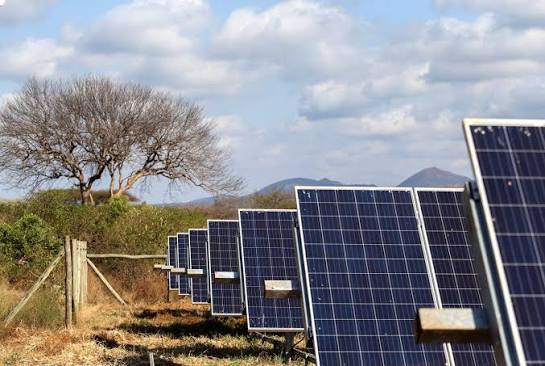
Kenya’s off-grid solar market is expanding as demand for electricity access grows, but a shortage of investment for smaller businesses threatens to limit competition and slow expansion into underserved communities. The 2026 Off-Grid Solar Market Trends Report, released on October 27 by the World Bank’s Energy Sector Management Assistance Program (ESMAP) and the Global Off-Grid Solar Association (GOGLA), highlights strong sales alongside widening financing challenges.
The report shows that Kenya sold approximately 2.4 million off-grid solar products in 2025, up from just over 1.7 million units in 2021. The increase reinforces the country’s position as a leading market for standalone solar systems, which supply electricity to households and businesses beyond the reach of reliable national grid connections.
Across East and Southern Africa, off-grid solar product sales grew by 51% between 2023 and 2025. Kenya, Nigeria and Zambia together accounted for 47% of sub-Saharan Africa’s solar home system sales in 2025, demonstrating how demand remains concentrated in a handful of established markets.
However, the expansion has not translated into equal access to financing for all solar companies. GOGLA’s separate 2025 Investment Data Report found that investment in off-grid solar businesses reached US$315 million, up 3.6% from 2024, but the number of companies receiving investment fell from 97 to 57.
Seed-stage companies receiving funding declined from 73 to 35 over the same period, while investment in locally owned businesses fell to US$9.9 million in 2025, compared with US$84.6 million in 2023. The figures point to a growing divide between established operators able to attract large investors and smaller businesses seeking capital to develop products, build distribution networks and reach new customers.
Companies such as Sun King and d.light have secured substantial financing through structured debt and other capital-market instruments. Sun King completed a KSh20.1 billion securitisation in 2025, backed by commercial banks and development finance institutions, to finance the distribution of solar products in Kenya. In June 2026, d.light issued a US$50 million green bond backed by future customer repayments.
These financing structures allow companies to raise capital against payments expected from customers using pay-as-you-go solar systems. However, they typically require substantial customer repayment records, reliable financial data and costly legal arrangements, making them harder for younger businesses to access.
The financing gap could affect efforts to extend electricity access to low-income households and remote communities. The World Bank report estimates that off-grid solar could provide electricity to an additional 398 million people without power, but achieving this potential will require about US$11.4 billion between 2027 and 2030 in grants, affordability support and private financing.
Industry stakeholders have therefore called for financing mechanisms that support smaller companies alongside established operators. Targeted subsidies, accessible credit, investment-readiness support and predictable tax policies could help broaden participation in the market.
Kenya’s challenge is no longer simply increasing solar sales. Ensuring that funding reaches a wider range of businesses will be crucial to sustaining competition, improving affordability and extending electricity access to communities that remain underserved.