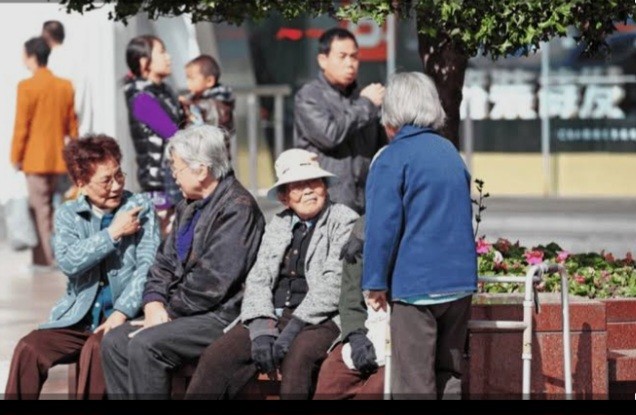
China’s capital, Beijing, is expected to become a super-aged society by 2035, with people aged 60 and above projected to make up more than a third of its population.
The forecast highlights the growing challenge of an ageing population in China, where declining birth rates and longer life expectancy are changing the country’s demographic outlook.
According to a report published by the official Beijing Daily, the city had about 5.29 million permanent residents aged 60 and above at the end of 2025, representing 24.3 per cent of its population.
If the projection is realised, roughly one in every three people living in Beijing will be aged 60 or older by 2035, increasing demand for healthcare, pensions and other support services for older people.
City authorities have been expanding programmes aimed at supporting elderly residents as the population continues to age. These include improvements to pension benefits, community-based care and services for people who need assistance with daily activities.
Beijing has also been strengthening its network of elderly care facilities and services closer to residential areas, allowing more older people to access support without having to move into institutions.
Official figures show that the city operates hundreds of elderly care institutions and community service centres, alongside facilities offering meals and other forms of assistance to older residents. The government is also planning to expand home-based care services as demand grows.
The demographic shift presents a wider challenge for China, whose population has been shrinking since 2022.
A growing proportion of older people could place additional pressure on pension systems and healthcare services while reducing the share of the population available for work.
As more people retire, the country will need to find ways to support older citizens while maintaining economic activity and ensuring public services can meet changing needs.
The ageing population is also becoming a key consideration in China’s efforts to encourage childbirth. Government measures aimed at supporting families and raising birth rates are part of broader attempts to respond to demographic changes.
However, any increase in births would take years to translate into a larger workforce, meaning the immediate challenge of caring for an ageing population is likely to remain.
For Beijing, the focus is increasingly on ensuring that older residents can access affordable care, reliable pensions and health services as their numbers rise.