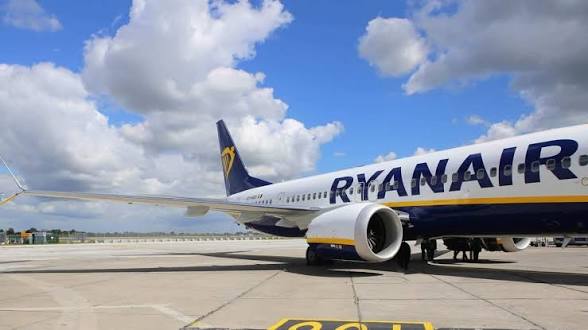
European airfares could rise by as much as 20% in 2027 as airlines face soaring jet fuel costs and reduced capacity, Ryanair Chief Executive Officer Michael O’Leary has warned, raising the prospect of more expensive travel for passengers across the continent.
Speaking at a press conference in Brussels on October 20, 2026, O’Leary predicted what he described as the biggest increase in European airfares in history. He said ticket prices could rise by 10% to 20% over the next 12 months as carriers attempt to offset higher operating expenses.
The warning comes as the conflict in the Middle East drives up oil and aviation fuel prices, increasing pressure on airlines that have limited protection against further cost increases. Jet fuel is a major operating expense for carriers, meaning sustained price increases can squeeze profits or force airlines to raise ticket prices.
O’Leary said Ryanair had limited fuel-price protection for 2027, with about 15% of its fuel requirements covered at $85 a barrel. He added that the airline was 85% unhedged for the coming year, leaving it exposed if prices remain elevated.
Fuel hedging allows airlines to lock in prices in advance, reducing their exposure to sudden market changes. However, when protection expires, carriers can face substantially higher bills if market prices have risen.
O’Leary warned that higher fares might not fully compensate for the increase in fuel expenses. Airlines are also dealing with higher taxes and reduced seat availability as some operators restructure, cut routes or face financial difficulties.
Ryanair has announced plans to cut 20 routes and more than one million seats from its Belgian winter schedule after the country announced an increase in its aviation tax from €2 to €7. The airline said it would move aircraft to markets with lower operating costs.
The potential fare increases could affect holidaymakers, business travellers and tourism operators that depend on affordable air connections. Higher ticket prices may also encourage some travellers to change their travel dates, choose alternative destinations or reduce the number of trips they take.
However, the forecast is not a confirmed industry-wide price increase. Actual fares will depend on fuel prices, airline competition, passenger demand, taxes and each carrier’s financial position.
O’Leary’s warning highlights the pressure facing European aviation as airlines enter 2027 with greater exposure to fuel-price volatility.
Travellers may face higher costs if oil prices remain elevated, while airlines will need to balance fare increases against the risk of weakening demand.