Kenya’s economy expanded by 5.1% in the second quarter of 2026, accelerating from 4.9% in the same period last year as transport, accommodation and other services supported growth despite higher energy costs and weather-related pressure on agriculture.
Data from the Kenya National Bureau of Statistics (KNBS), released in October, show that economic activity continued to expand between April and June. The performance came as global oil prices increased and the early end of the long rains affected agricultural production, highlighting the uneven conditions facing businesses across the country.
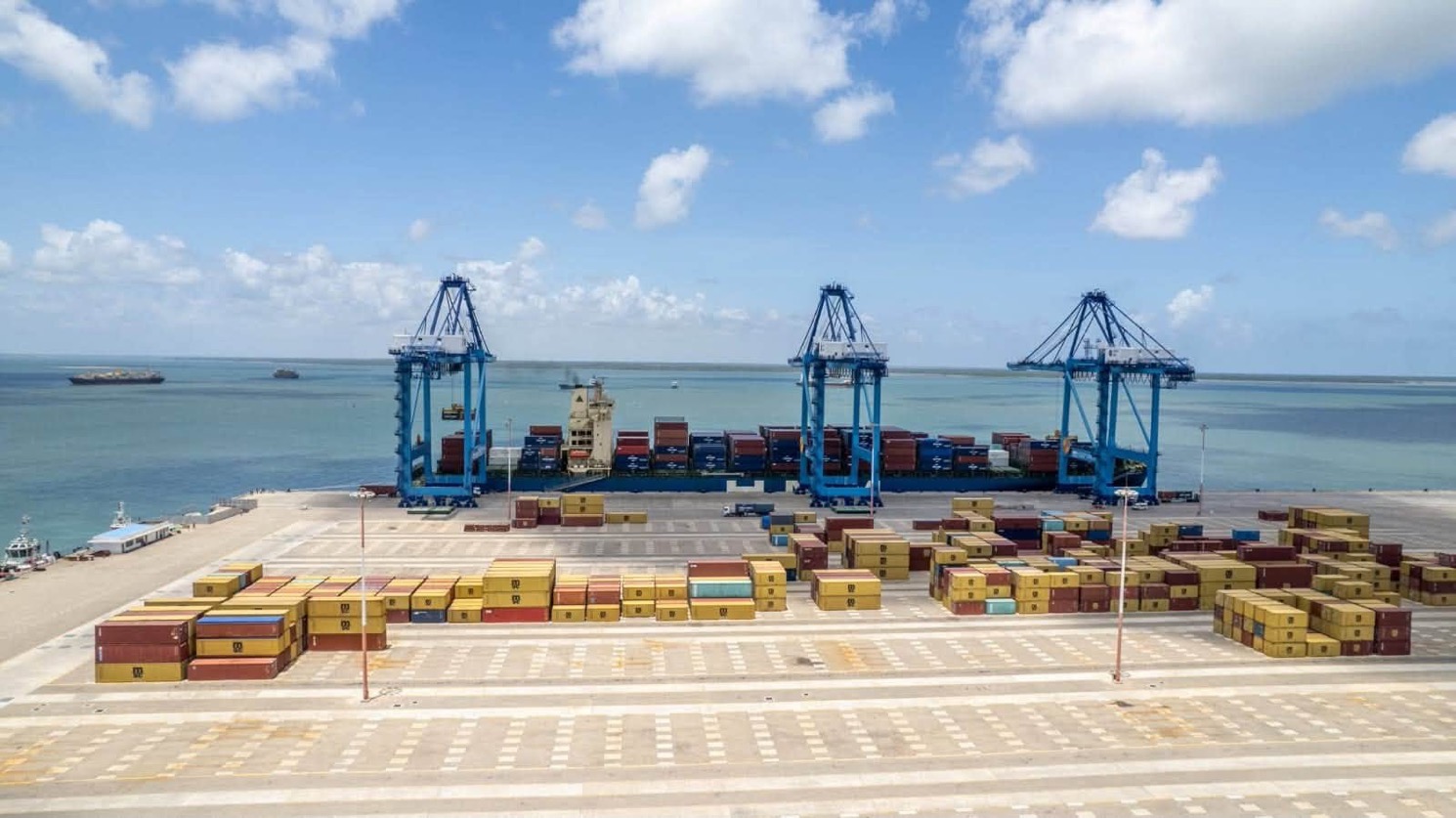
Transportation and storage grew by 4.4%, up from 3.3% in the second quarter of 2025. The improvement reflected stronger activity across road, rail and water transport, sectors that support the movement of goods and people and connect businesses to local and regional markets.
Accommodation and food services expanded by 7.4%, while information and communication grew by 7.2%. Financial and insurance activities increased by 6.1%, and electricity and water supply grew by 7.7%, according to the KNBS figures. Construction also expanded by 6%, although this was slower than the 7.3% recorded in the corresponding quarter a year earlier.
Agriculture, forestry and fishing recorded more modest growth of 3.5%, compared with 4% a year earlier. KNBS attributed the pressure partly to the early cessation of the March-to-May long rains, which affected crop development during a critical period.
The agricultural slowdown matters because farming supports rural livelihoods, supplies raw materials to manufacturers and influences the cost and availability of food. Weaker output can put pressure on food prices and businesses that depend on reliable agricultural supplies.
Higher energy costs also presented a challenge during the quarter. Business Daily reported that average crude oil prices rose to $104.45 per barrel from $67.44 in the corresponding period of 2025, adding to transport and production expenses.
For businesses, the overall growth figure points to continued economic activity, but it does not mean that all sectors or households are benefiting equally. Companies in transport, hospitality and digital services may experience stronger demand, while manufacturers, farmers and distributors remain exposed to input costs and supply disruptions.
The next test will be whether economic growth can remain resilient while inflation, fuel prices and agricultural conditions affect household purchasing power and business margins. Stronger growth will have a greater impact on livelihoods if it translates into sustainable investment, higher incomes and more employment opportunities.