President William Ruto has raised concern over the worsening food and nutrition situation in Kenya, saying an estimated 2.7 million Kenyans are facing severe food shortages.
Ruto said children and women are among those most affected by malnutrition and require urgent support to prevent the situation from worsening.
The President attributed the food insecurity crisis partly to inadequate rainfall in the country’s arid and semi-arid areas, which continues to threaten food production and access to nutritious meals for millions of Kenyans.
Food insecurity crisis in Kenya
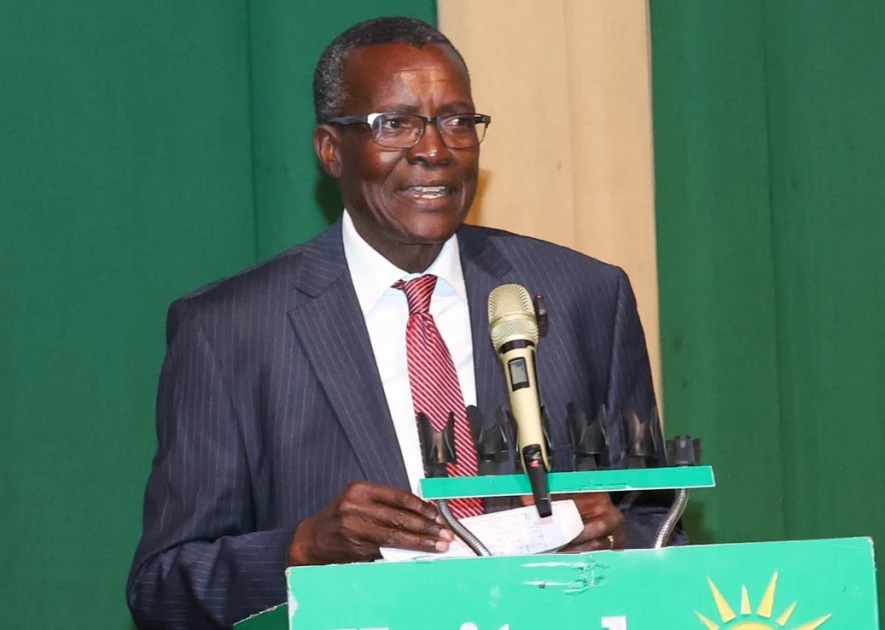
Speaking during a food security summit in Nairobi on Monday, November 16, 2026, Ruto said malnutrition is not only a public health concern but also a major economic burden for the country.
He said malnutrition costs Kenya an estimated 6.9 per cent of its Gross Domestic Product (GDP), highlighting the need for stronger measures to improve both food production and nutrition.
Ruto called for a coordinated approach that brings together efforts to increase agricultural production while ensuring that the food produced is nutritious and accessible to vulnerable populations.
The President also announced plans to significantly expand the government’s school feeding programme.
According to Ruto, the programme currently benefits about three million learners, with the government targeting 10 million beneficiaries by 2030.
He said expanding school meals would help address hunger among children while supporting their health, development and ability to remain in school.
Ruto further pointed to Kenya’s Constitution, which recognises every person’s right to be free from hunger and to have adequate food of acceptable quality.
Legislation and support for food rights
However, he said constitutional recognition alone was not enough to guarantee food security.
The President argued that the right to food must be supported by appropriate legislation, adequate financing and practical measures to ensure food reaches people who need it most.
Ruto also highlighted the growing global food crisis, saying about 645 million people experienced hunger worldwide in 2025.
Africa accounted for an estimated 309 million of those affected, meaning roughly one in every five people on the continent faced hunger.
The President warned that the situation could deteriorate further if urgent measures are not taken to strengthen food systems and address the effects of climate change.
Global food crisis and its impact
He said Africa could account for about 60 per cent of the world’s hungry population by 2030, underscoring the need for governments and development partners to accelerate efforts to improve food production, nutrition and resilience.
The remarks come amid growing calls for stronger investment in sustainable agriculture, climate resilience and social protection programmes to protect vulnerable households from food and nutrition insecurity.