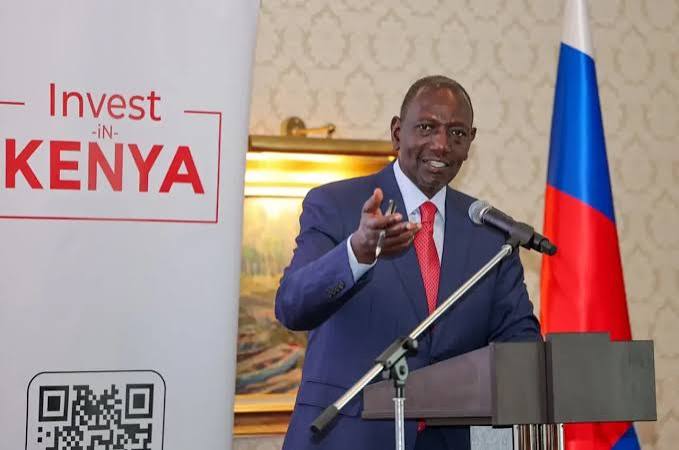
President William Ruto has announced that Kenya is looking to anchor $40 billion over the next decade for infrastructure development. The announcement followed discussions with Russian President Vladimir Putin and Russian corporate leaders. Ruto has also invited Russian enterprises to set up manufacturing hubs inside Kenya.
The proposal signals a push to attract foreign capital into large-scale projects over a long period. A decade-long commitment would give investors and contractors a longer horizon for planning. The figure is a target rather than a confirmed inflow of funds, a distinction that matters for budgeting.
Manufacturing hubs would bring production closer to the Kenyan market. Locating factories domestically could create jobs in construction, engineering and industrial operations. It could also reduce reliance on imports for certain goods, depending on which sectors the Russian firms choose.
Kenya has sought foreign partners for infrastructure for years, and the scale of this proposal would make Russia a significant investor if it materializes. Large infrastructure projects typically require heavy financing, long-term contracts and careful oversight. The success of a plan this size will depend on how those elements are arranged.
The announcement comes as the government works to strengthen its revenue base and manage spending. That context makes the funding model important, since it shapes who pays and who holds the resulting assets. Any commitment of this size will need clear terms on repayment, ownership and oversight to protect public finances.
Analysts and business groups will likely examine the financing terms, the projects covered, and how the investment would be structured. Industries that depend on imported machinery or components may watch closely to see whether local hubs change their costs. Investors elsewhere may also track whether Kenya’s pitch leads to deals.
Announcements of this kind are often the start of a longer process, and the final outcome depends on the negotiations that follow. Public statements can set out intentions well before contracts are signed. That makes the next stage of talks especially important.
No project list, financing agreements or timelines for the Russian hubs have been published yet. Observers will be looking for signed agreements, specific project names and the first confirmed investments. Those details will show whether the $40 billion target moves beyond announcement and into construction.