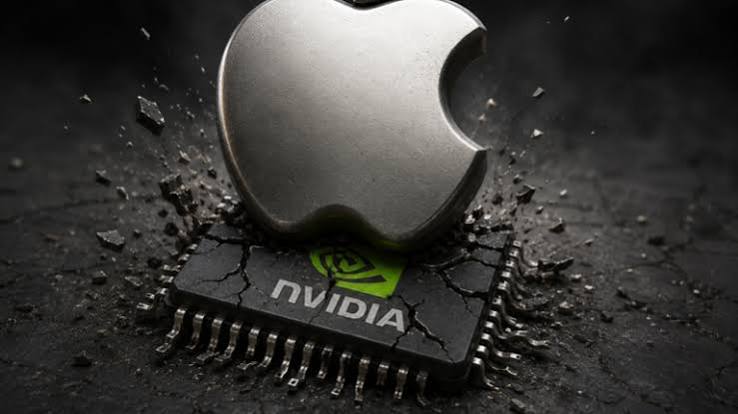
Big Tech firms are returning their smallest share of cash to shareholders in 15 years, according to recent financial metrics. Instead of distributing profits through dividends and buybacks, companies are stockpiling capital to finance data centres and energy partnerships needed for AI.
The shift reflects the heavy cost of artificial intelligence. Data centers require large investments in chips, cooling systems and power supply. Companies say they need to keep pace with rising demand for AI services.
Energy partnerships have become part of the picture as well. AI facilities consume large amounts of electricity, so firms are seeking long-term arrangements to secure power for their operations. Such deals can lock in costs and capacity for years.
For shareholders, the change means less cash returned in the short term. Investors who rely on dividends or buybacks may see smaller payouts. Companies argue that spending now will support future growth.
Dividends and buybacks are two of the main ways companies return profits to investors. When firms reduce those payments, cash stays on the balance sheet to fund projects. Many investors welcome growth spending if it produces strong returns, but they may grow unhappy if payouts stay low for long periods.
The trend also raises questions about how long the spending can continue without pressure on returns. Investors will need to judge whether AI investments produce enough revenue to justify holding back cash. Market sentiment could shift if returns take longer to appear than companies expect.
Capital allocation has become central to how Big Tech is valued. Companies that spend heavily on infrastructure may need to show progress in revenue or efficiency to keep shareholder support. The balance between investment and payouts is now a key test for management.
Companies have not yet detailed how much of their capital will be committed to AI over the next several years. Market watchers will be looking at upcoming earnings reports and capital expenditure updates for signs of whether spending eases or accelerates.
Those reports will show whether shareholders see larger payouts return or whether the AI build-out keeps cash locked in the business.