President William Ruto has announced that Kenya has ended its 65-year reliance on foreign companies to print national examination papers, marking a major milestone in the country's efforts to strengthen local capacity and reduce dependence on overseas service providers.
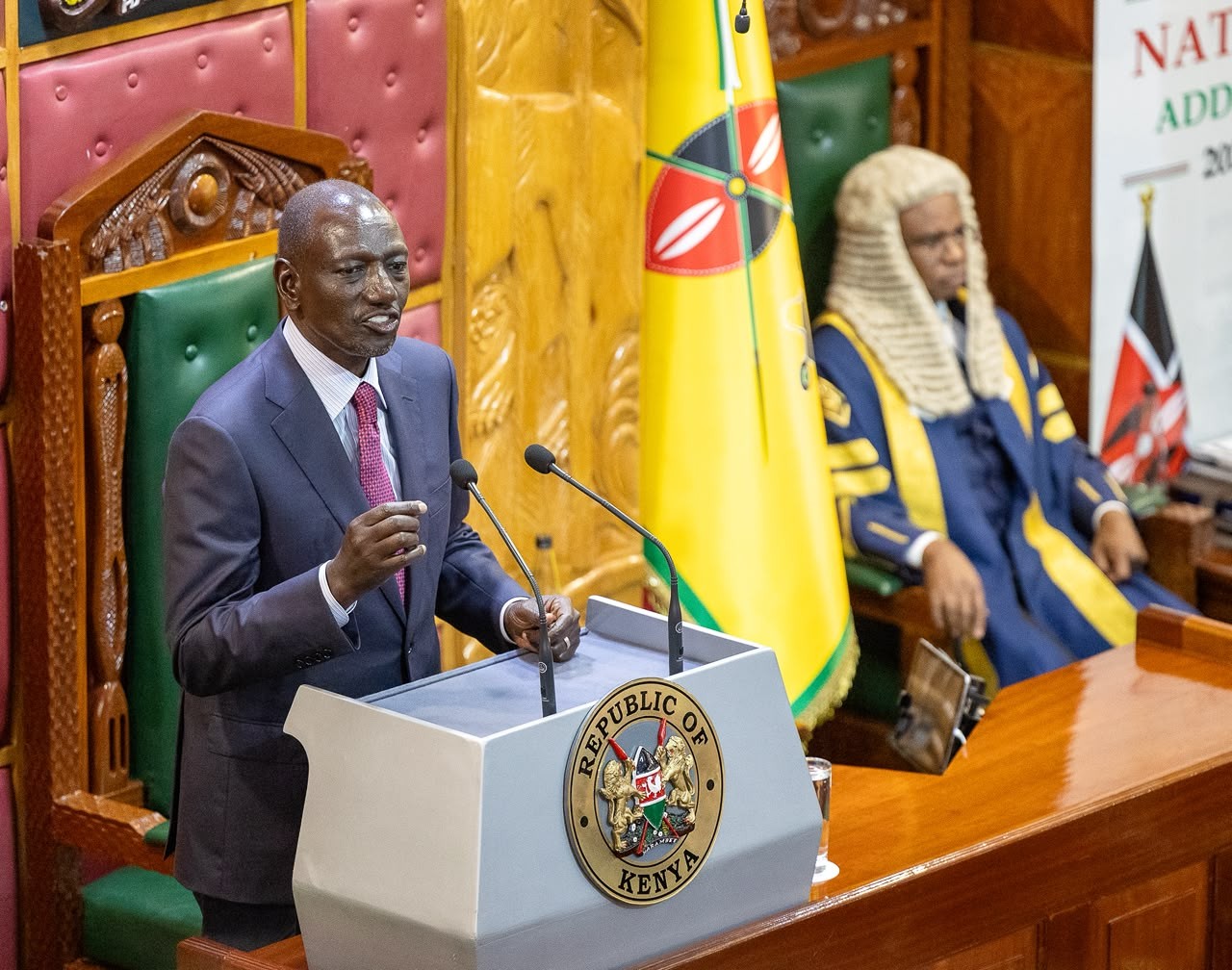
Speaking during his State of the Nation Address in Parliament on Wednesday, November 18, Ruto said Kenya had successfully printed its national examination papers locally for the first time since independence.
The President described the achievement as a significant step forward, particularly in a year when more than 3.6 million learners registered for national examinations and assessments across the country.
Kenya's shift to local printing
For decades, the Kenya National Examinations Council (KNEC) relied on foreign security printing companies, particularly those based in the United Kingdom, to produce examination materials.
The arrangement was largely driven by concerns over examination security, with education officials maintaining that printing the papers abroad helped prevent unauthorised access and possible examination leaks before the scheduled dates.
However, the practice had raised questions over the cost of outsourcing, logistical challenges and Kenya's continued dependence on foreign companies for the production of sensitive national documents.
Ruto said he had questioned why Kenya continued to outsource the printing of examination papers despite having the capacity to produce other sensitive documents, including the country's currency.
He noted that the government had subsequently taken steps to develop local capacity, allowing the country to handle the sensitive exercise without relying on foreign printing companies.
The President also highlighted improvements in the administration of national examinations, saying the 2026 exercise had been conducted in a calm environment without the heavy security deployments that had characterised previous examinations.
Improvements in examination administration
According to Ruto, the government had moved away from treating national examinations as security operations, allowing learners to undertake the assessments without unnecessary anxiety and intimidation.
"The examinations have been conducted in a calm atmosphere, free from the interference, anxiety, tension and intimidating security deployments of the past," he said.
"In short, we have undertaken exams without the presence of a single policeman. This is how it should be. Examinations are a normal part of learning, not a security operation or a matter of life and death. Examinations should assess our children's progress, not instil fear about their futures," he added.
According to KNEC, a total of 3,634,846 candidates registered for the 2026 national examinations and assessments.
The candidates were drawn from different levels of the Competency-Based Education (CBE) system, as well as those sitting the Kenya Certificate of Secondary Education (KCSE) examinations.
New security measures introduced
To further strengthen examination security, the government has also introduced additional measures, including smart examination storage containers and personalised question papers.
The measures are intended to improve the handling and distribution of examination materials while minimising opportunities for malpractice and unauthorised access.
The shift to local printing is expected to strengthen Kenya's capacity to produce sensitive national documents while reducing its longstanding dependence on foreign service providers.