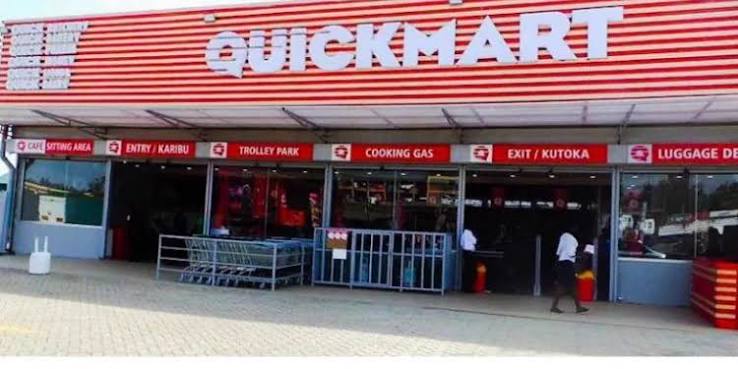
Quickmart was the biggest loser on the Nairobi Securities Exchange on its second day of trading, falling 7.19 percent to Sh8.26. The fall followed an 18.67 percent gain on debut, which took the stock to about Sh8.90 by the close of the first day. Volume remained high at 7 million shares, down from 9.68 million the day before.
The stock’s first day was volatile. It opened at Sh10, about 33 percent above the Sh7.50 offer price. By the close, the shares had risen about 19 percent on the IPO price, which matches the 18.67 percent gain and implies a closing price near Sh8.90. The second session then took the stock lower.
On the second day the shares fell 7.19 percent to Sh8.26, leaving them among the largest decliners on the exchange. Trading volume stayed elevated at 7 million shares, down from 9.68 million a day earlier, which suggests active repositioning by investors rather than a quiet market.
The moves are typical of a new listing in its first sessions. Early buyers who wanted to lock in gains may have sold, while others have been testing where the price should settle. A stock with a limited free float can move sharply on relatively small volumes, which is one reason analysts watch the early sessions closely.
The price remains well above some independent valuations. At the IPO price, the company was valued at about Sh30 billion and investment firm Investia Africa estimated fair value at Sh21.1 billion to Sh24.9 billion. Across the four billion shares in issue, those estimates work out to roughly Sh5.30 to Sh6.20 a share, below the current trading level.
Sterling Capital’s fair-value estimate of Sh6.96 a share is also below Sh8.26, which suggests the market is pricing in more growth than some analysts expect. The gap between the valuations and the trading price is the main question for investors deciding whether to hold.
Governance is also drawing attention. Parliament has called for a special audit into the sale of shares in Quickmart, in a move that came days after the IPO closed. The request is a reminder that the offer, in which the company received no proceeds and existing owners sold 50 percent of the business, is under public scrutiny.
The company has set out its dividend plans. Quickmart expects to pay an initial dividend for the second half of 2026 in the first half of 2027. Sokoni Retail Kenya, the sole shareholder before the offer, is expected to keep about 50 percent of the company if the over-allotment option is not exercised, or about 42.5 percent if it is.
The next signals will be the stock’s trading in the coming sessions, the outcome of any parliamentary audit request, and the company’s first results as a listed business. Investors will also watch whether volume settles and whether the price holds above the offer level.