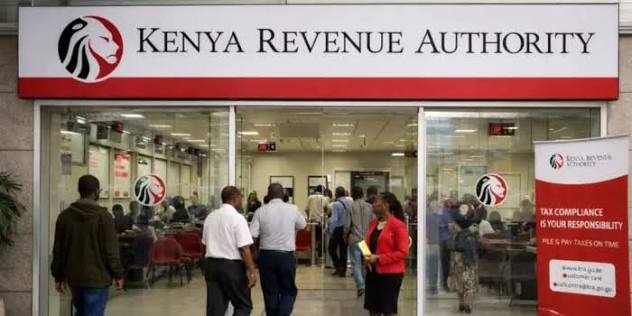
The Kenya Revenue Authority is stepping up enforcement against tax evasion and its new powers over the Affordable Housing Levy follow an Auditor-General finding that 6,390 companies remit PAYE but not the housing levy. The Finance Act 2026, effective July 1, gives the KRA Commissioner-General power to recover unpaid levies as if they were unpaid tax.
The KRA has been signalling a tougher approach for several months. At a meeting with the Kenya Private Sector Alliance on July 31, 2026, Commissioner-General Adan Mohamed said the authority was tightening compliance and digital controls to widen the tax base and ensure competitors play by the same rules. The housing levy is now one of the clearest tests of that push.
The levy is a 1.5 percent deduction shared between employers and employees, which funds the Affordable Housing Fund. It collected Sh79.9 billion in the year to June 2026. Reports show that more than Sh100 billion in employees’ deductions has gone unremitted, and that the KRA intended to target employers who had defaulted.
The Auditor-General, Nancy Gathungu, found that 6,390 companies remit PAYE but ignore the housing levy altogether. Defaults were also reported among informal businesses, including shops, salons and bars.
The audit described a legal gap: under the Affordable Housing Act, 2024, KRA collected the levy but lacked power to enforce compliance, so the fund may have lost revenue from employers that failed to deduct or concealed deductions.
The Finance Act 2026 closes that gap. It introduces Section 39B of the Tax Procedures Act, letting the KRA recover unpaid levies, fees and charges as though they were unpaid taxes. Defaulters face bank account freezes, asset seizures and PIN deactivation and the Act also raised the commission the KRA earns on housing levy collections.
The Affordable Housing Fund Board has argued that stronger enforcement could bring in an additional Sh3 billion a month. Its chair, Jeremiah Simu, told MPs that the KRA collects the levy but has no audit, assessment or recovery machinery of its own under the Act, and that the penalty provision on its own is not enough.
The stakes for the programme are high. The Auditor-General has questioned whether the fund can deliver 200,000 houses a year under the Fourth Medium Term Plan, and unremitted levies directly limit the money available to build them.
The enforcement drive is not uncontested. The Affordable Housing Board and the State Department for Housing have opposed a Finance Bill 2026 proposal to remove VAT exemptions on construction materials for affordable housing. They argue that taxing construction would raise costs and slow delivery.
The wider KRA push extends beyond housing. The authority has said it will target about one million landlords in a new rental income tax drive, and it estimates illicit trade, counterfeiting and tax evasion cost the government roughly Sh153 billion a year in lost revenue.
Small firms have raised concerns. Bowmans has warned that businesses with faulty electronic invoicing systems could face severe consequences even without deliberate evasion, so the line between compliance failure and evasion will matter as enforcement widens.
The next signals will be the Finance Bill 2026 outcome on the housing VAT exemption, the first recoveries under Section 39B and any follow-up audit on levy remittances. Those results will show whether enforcement changes behaviour among employers.