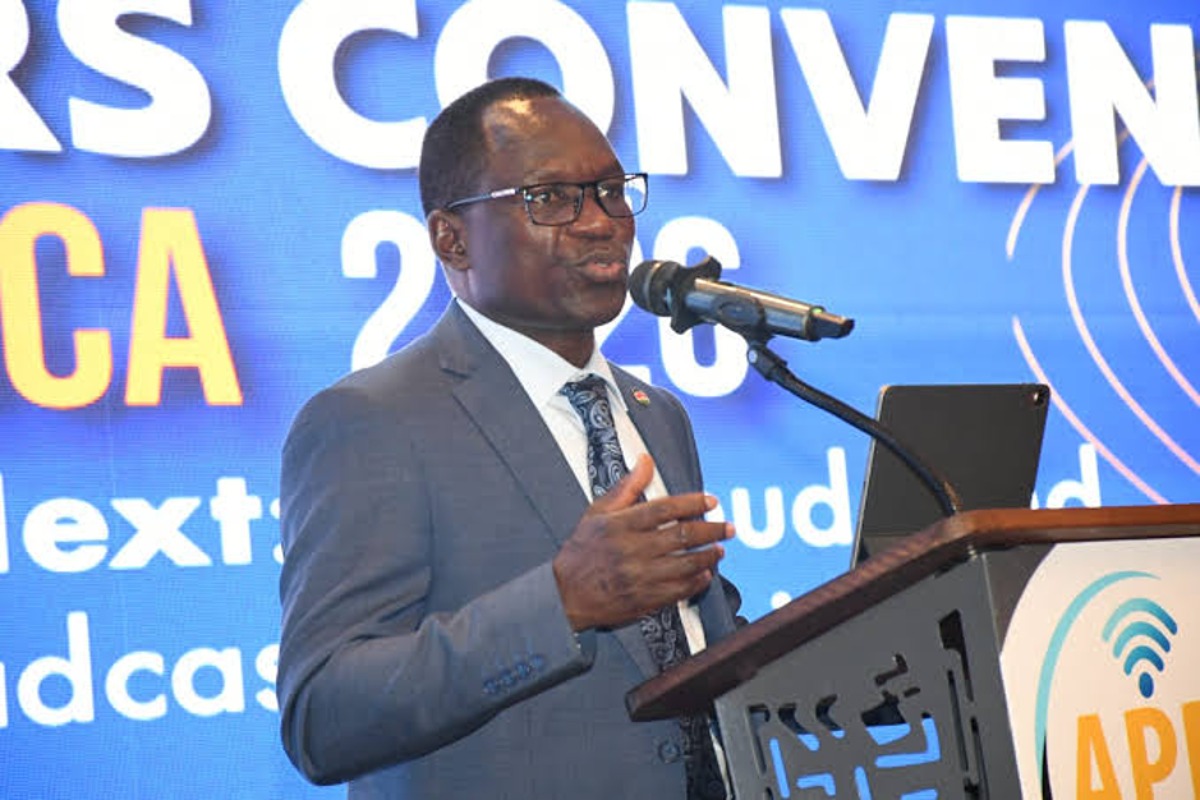
Kenyan media organisations have been urged to strengthen newsroom training and mentorship ahead of the August 2027 General Election, with an estimated 75 per cent of journalists expected to cover the polls doing so for the first time.
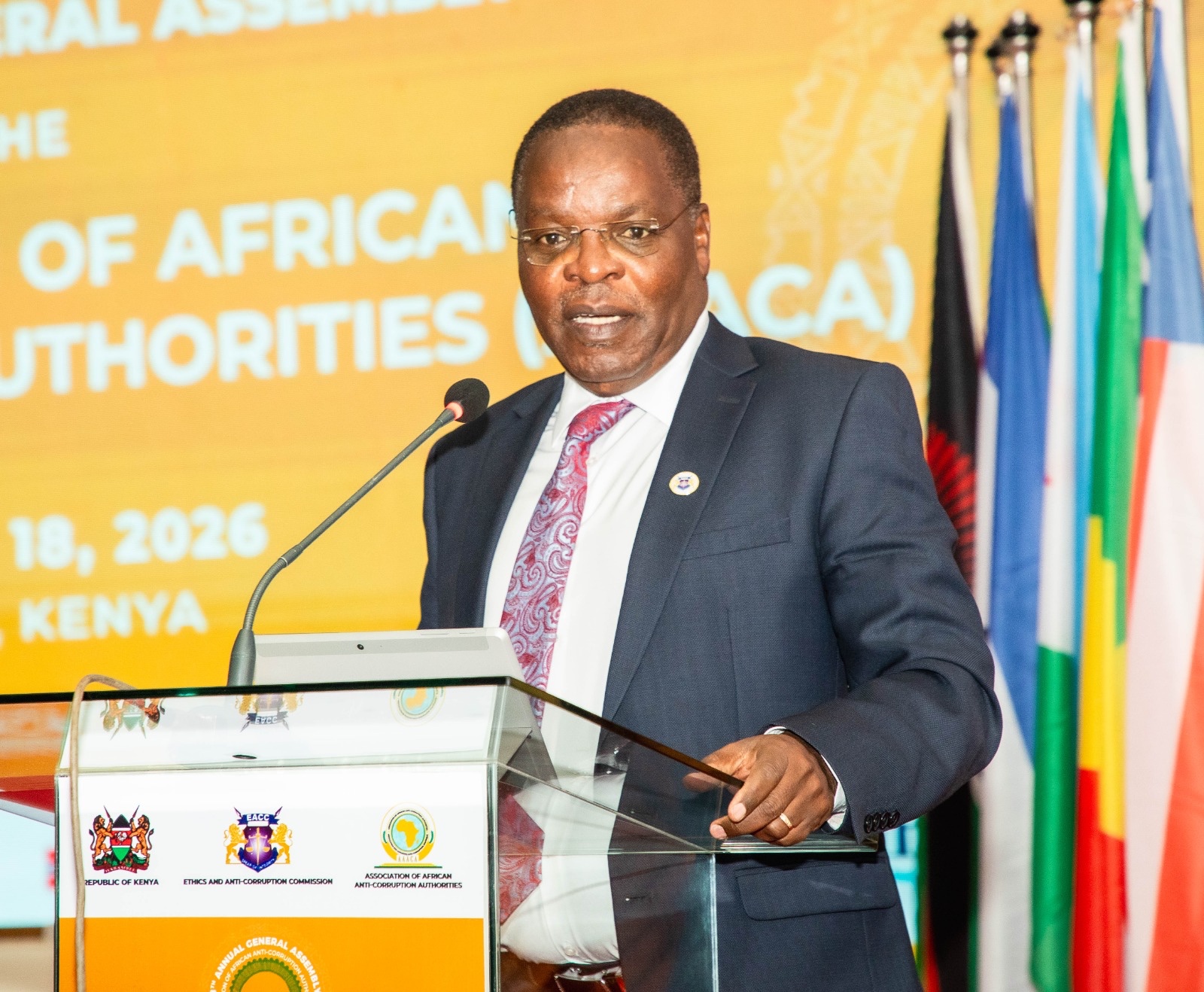
Principal Secretary for Broadcasting and Telecommunications Stephen Isaboke said the anticipated experience gap required deliberate investment in professional development and the transfer of institutional knowledge to ensure journalists are adequately prepared for election assignments.
Speaking during the ninth Annual Editors’ Convention in Mombasa on Thursday, November 26, 2026, Isaboke called on the Kenya Editors Guild (KEG), Media Council of Kenya (MCK), Independent Electoral and Boundaries Commission (IEBC) and media houses to coordinate capacity-building programmes before the election period.
He said journalists needed specialised preparation to cover the entire electoral process, from political party nominations and campaigns to voting, tallying, declaration of results and the post-election period.
Among the areas he identified for training were electoral laws, campaign financing, electoral technology, policy analysis, information verification and electoral dispute resolution.
The estimate, which Isaboke attributed to the Media Council of Kenya, comes as newsrooms contend with financial pressures, the departure of experienced journalists and changes in how audiences consume news.
He warned that the departure of experienced reporters was weakening institutional knowledge within media organisations, creating additional challenges for election preparedness.
Kenya's media landscape has increasingly shifted towards digital platforms and social media as sources of news, but Isaboke noted that the growth in digital audiences had not translated into corresponding revenue for media houses.
The financial constraints, he said, had implications for newsroom capacity and the ability of media organisations to invest in experienced personnel, training and election coverage.
The concerns are also reflected in preparations by the Kenya Editors Guild, whose ninth annual convention has brought together editors, journalists, regulators, policymakers and technology industry representatives to examine the sustainability and resilience of the media ahead of the polls.
The five-day convention, running from November 25 to 29 at Travellers Beach Hotel and Spa, is being held under the theme "Navigating the Storm: Media Resilience on the Road to 2027."
Isaboke further urged media owners to address journalists' welfare, saying financial insecurity could compromise editorial independence and expose reporters to political and commercial influence.
He called for fair remuneration, timely payment of salaries, remittance of statutory deductions, insurance coverage, mental health support and safe working conditions.
He also urged media houses, security agencies and regulators to strengthen mechanisms for addressing physical and digital threats against journalists, including technology-facilitated gender-based violence targeting women in the profession.
The PS acknowledged concerns over outstanding public-sector advertising payments, encouraging continued engagement with relevant institutions to address verified obligations.
He said the Government recognised the importance of a sustainable media industry, noting that financial stability was fundamental to editorial independence and the production of credible journalism.
Beyond newsroom preparedness, Isaboke identified artificial intelligence as another challenge facing journalists covering the 2027 elections.
He warned that deepfakes, synthetic audio, manipulated videos and fabricated information could undermine electoral credibility and national cohesion if not properly verified.
He challenged editors to strengthen fact-checking systems, clearly label materially manipulated or AI-generated content and promptly correct inaccurate reporting.
The convention is expected to provide a platform for discussions on media freedom, newsroom sustainability, journalist safety, technology and the role of journalism in safeguarding public accountability as Kenya approaches the next General Election.