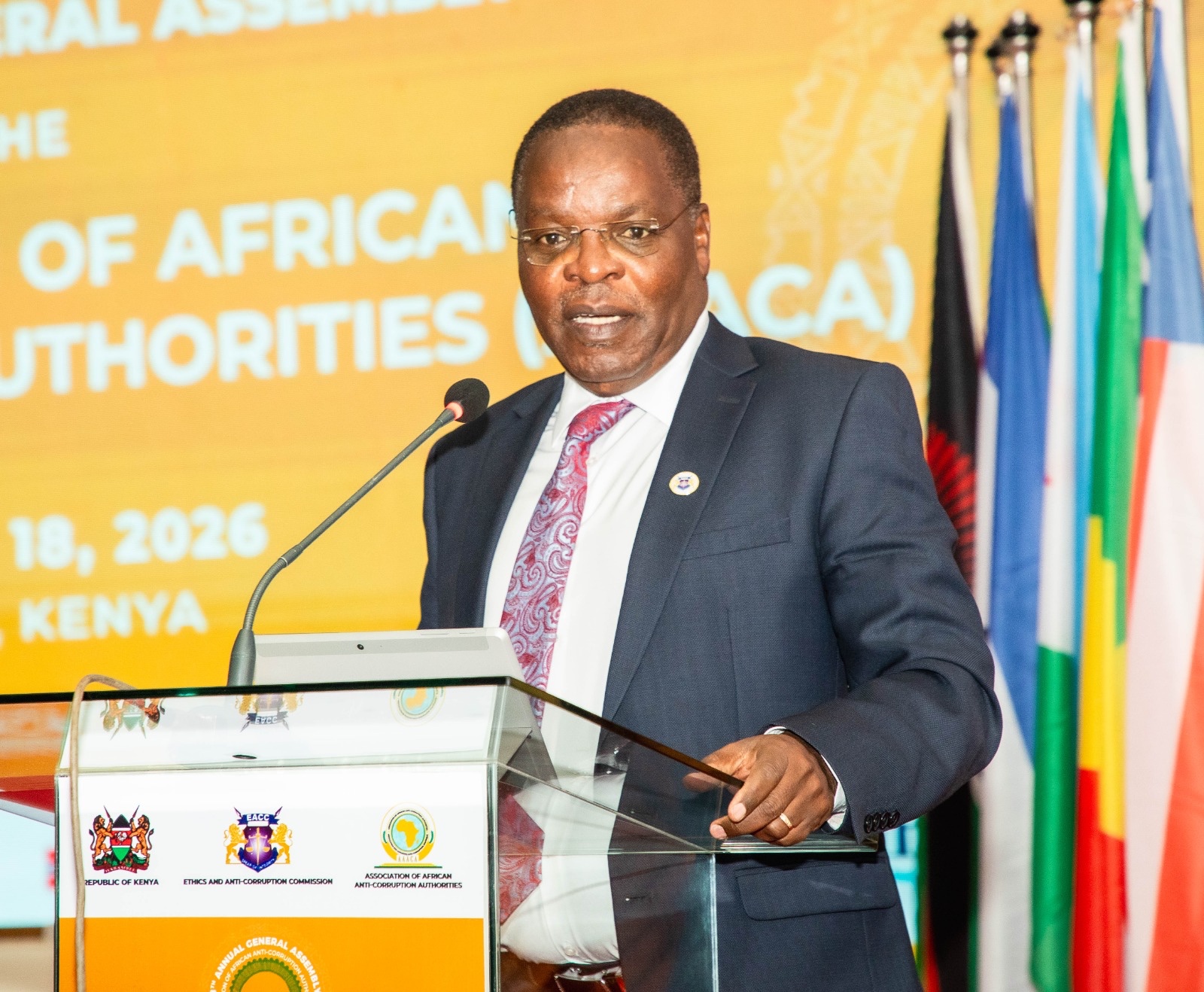
The Ethics and Anti-Corruption Commission (EACC) has called on the media to intensify scrutiny of individuals seeking elective positions ahead of the 2027 General Election, urging journalists to investigate candidates’ integrity, qualifications and public records to help Kenyans make informed electoral choices.
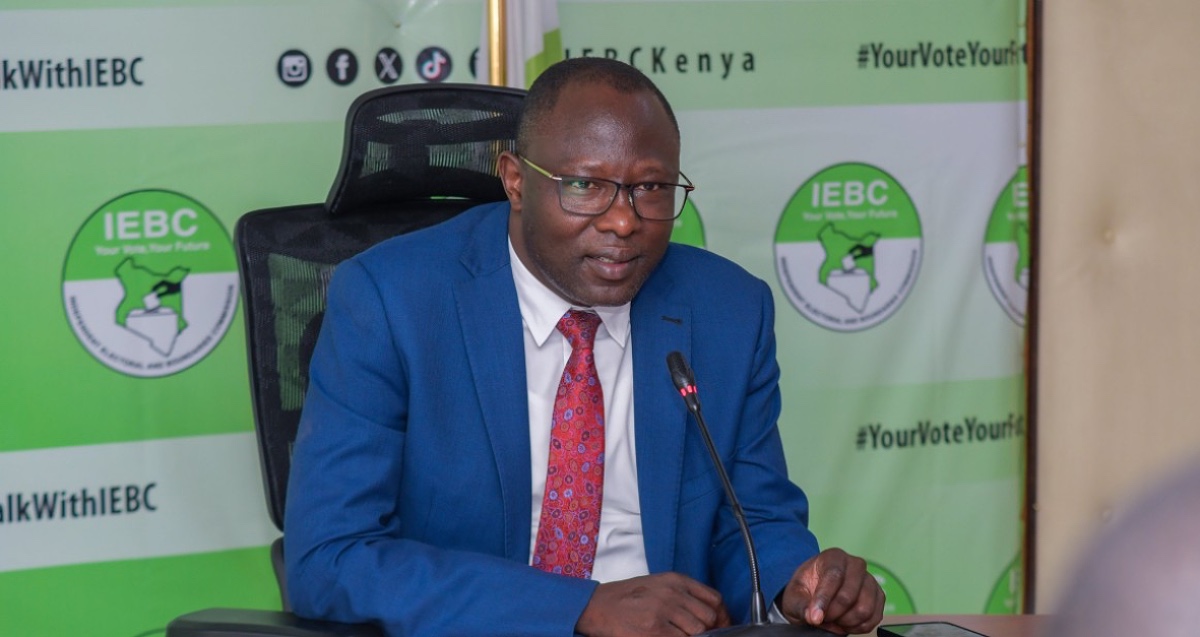
EACC Chairperson David Oginde said newsrooms should look beyond political alliances, personalities and campaign promises to examine the backgrounds and conduct of those seeking public office.
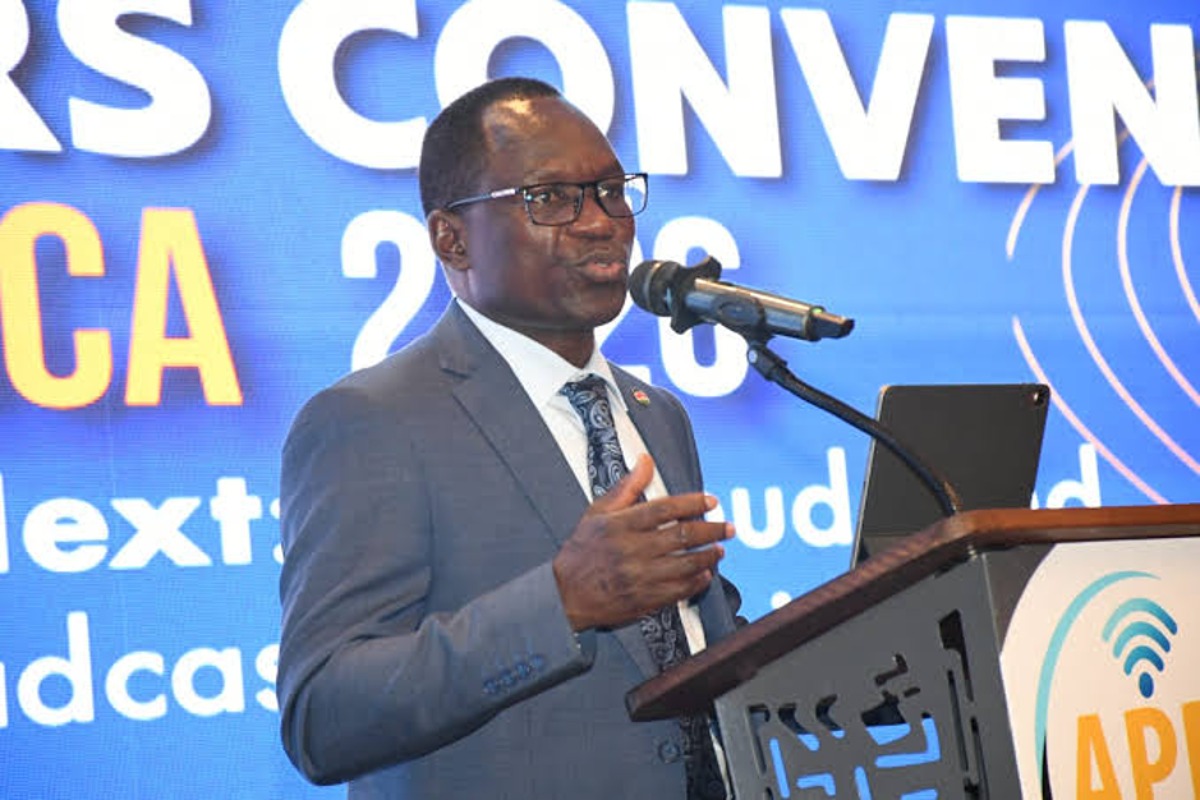
Speaking during the 9th Annual Editors Convention EACC-Kenya Editors Guild breakfast meeting at Travellers Beach Hotel in Mombasa on Thursday, November 26, Oginde said the quality of leadership elected in 2027 would partly depend on the standards of integrity demanded of political aspirants.
He identified questionable academic and professional qualifications, unexplained wealth and the management of public resources as key areas requiring investigative reporting. He particularly raised concern over forged certificates presented by individuals seeking to meet electoral requirements, urging journalists to verify candidates’ credentials and expose fraudulent claims.
Oginde also warned against voter bribery, saying the practice undermines citizens’ freedom to elect leaders of their choice by turning democratic participation into a financial transaction.
He said the Commission would strengthen its monitoring and intelligence-led efforts to detect and investigate electoral bribery, adding that evidence gathered could also be useful in resolving election disputes.
On the misuse of public resources, the EACC chairperson cautioned public officers against deploying government vehicles, public funds, civil servants and official government functions to advance personal political ambitions.
He maintained that public resources belong to Kenyans and should not be diverted to support political campaigns. He also emphasised that public officers must maintain political neutrality in the discharge of their duties.
Oginde further expressed concern over the exploitation of young people during election campaigns, warning politicians against recruiting them to intimidate opponents, disrupt political meetings or perpetrate violence.
He said young people should participate in democratic processes as informed citizens rather than being reduced to instruments of political intimidation.
Beyond electoral accountability, Oginde challenged journalists to sustain coverage of corruption investigations beyond initial headlines by following the money, examining questionable decisions and tracking how institutions discharge their accountability responsibilities.
He disclosed that EACC would establish a mechanism to support journalists with relevant information to facilitate public scrutiny of the integrity and suitability of individuals seeking elective and appointive positions during the 2027 electoral period.
Oginde clarified that the Commission was not seeking favourable media coverage but an honest partnership in which both institutions could exchange information, question one another and challenge conduct that falls short of legal and ethical standards.
He also urged editors to exercise responsible editorial judgment when reporting politically sensitive issues, cautioning that coverage of inflammatory statements could either ease political tensions or aggravate divisions.
He emphasised that reporting should remain anchored on facts, evidence and public interest, with journalists distinguishing between allegations, ongoing investigations and proven wrongdoing.
The remarks were made during the 9th Annual Editors Convention, held under the theme, The Integrity Question: Leadership, Elections and the Place of the Media. The meeting brought together members of the Kenya Editors Guild and EACC officials to examine the media’s role in promoting ethical leadership, electoral accountability and democratic governance.
Oginde identified six priority areas for sustained media attention: making integrity central to election coverage, exposing forged academic and professional certificates, investigating voter bribery, monitoring the misuse of public resources, challenging political violence and following up on corruption investigations.
He maintained that the fight against corruption required collaboration between accountability institutions and an independent media capable of questioning even the institutions mandated to enforce the law.
He urged journalists to keep integrity at the centre of election coverage, saying informed citizens were better positioned to make responsible electoral choices and demand accountability from those seeking public office.