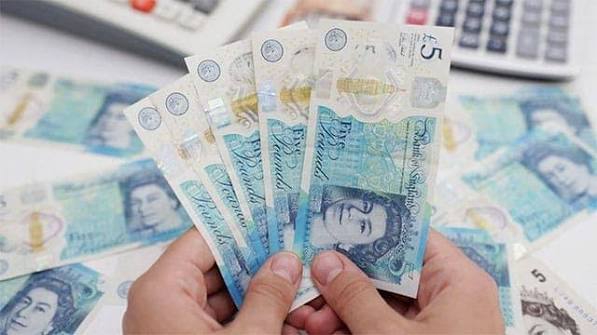
The British pound has climbed to its highest overall level since the 2016 Brexit referendum, strengthening against a basket of major currencies as investors respond to improving economic conditions and expectations of higher interest rates.
The pound’s trade-weighted value reached 86.4 on the Bank of England’s Sterling Exchange Rate Index, which measures the currency against 18 of the United Kingdom’s main trading partners. The level is the highest since the June 2016 referendum, when voters backed Britain’s exit from the European Union.
Sterling suffered a sharp decline after the referendum as uncertainty over the terms and economic consequences of Brexit weighed on investor confidence. It subsequently faced further pressure during the Brexit process, the COVID-19 pandemic and the market turmoil surrounding the UK government’s 2022 mini-budget.
The recent recovery has been supported by expectations that the Bank of England could raise interest rates, with markets anticipating a possible increase at its policy meeting on Thursday, November 5. Such a move would be the first increase in three years.
The currency has also benefited from perceptions of greater political stability, stronger-than-expected economic growth and improving relations between the United Kingdom and the European Union.
On Wednesday, November 4, sterling traded at approximately $1.3434 against the US dollar and €1.1996 against the euro. The gains against individual currencies were more modest than the broader rise reflected in the trade-weighted index.
A stronger pound could provide some relief to British households and businesses by making imported goods, fuel and other commodities cheaper. It can also increase the purchasing power of UK consumers travelling abroad.
However, the currency's appreciation presents a mixed outlook for exporters, whose products may become more expensive for overseas buyers. A stronger pound can also reduce the value of overseas earnings when converted back into sterling.
The Bank of England's interest-rate decision is expected to provide further direction for the currency. While higher rates can attract investment and support sterling, policymakers will have to weigh inflationary pressures against the risk of weakening household spending and economic activity.
Despite the pound's recovery, rising energy and fuel costs have continued to weigh on consumer confidence, highlighting the challenges facing the UK economy.
The latest gains mark a significant recovery from the uncertainty that followed the Brexit vote, although the currency's future performance will depend on the strength of the economy, inflation trends and the direction of monetary policy.