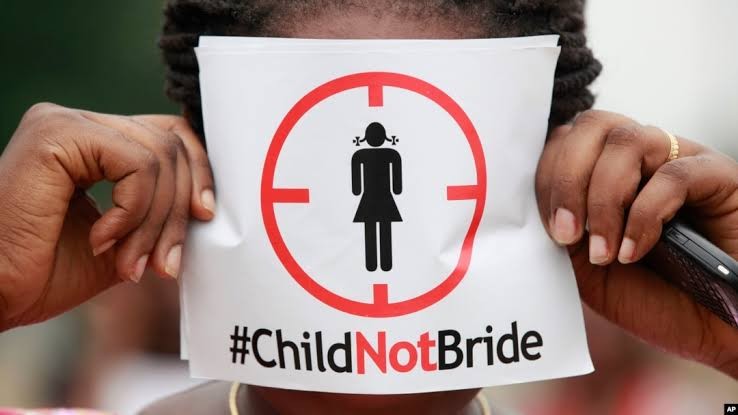
The National Gender and Equality Commission (NGEC) has called for stronger measures to end child marriage in Kenya, warning that the practice continues to undermine girls’ education, health, safety and future economic opportunities.
In a statement issued ahead of the International Day of the Girl Child, marked on October 11, the Commission urged government agencies, county administrations, families and community leaders to intensify efforts to protect girls from early marriage and invest in their rights.
The 2026 commemoration is being held under the theme “End Child Marriage and Invest in Girls’ Rights,” which calls for urgent action to protect childhoods and ensure every girl can access education, remain safe and make decisions about her future.
NGEC Chairperson Rehema Jaldesa said Kenya had made progress in reducing child marriage but warned that significant inequalities remained, particularly among girls from poor households and those living in rural and marginalised communities.
According to figures cited by the commission from the 2022 Kenya Demographic and Health Survey, the proportion of women aged between 20 and 24 who were married or in a union before their 18th birthday declined from 23 per cent in 2014 to 13 per cent in 2022.
However, the commission noted that child marriage remains more prevalent in some parts of the country. UNICEF data cited in the statement indicates that the prevalence of early marriage stands at 43 per cent in Tana River, 40 per cent in Marsabit and 37 per cent in Samburu.
The practice is also more common in rural areas, where prevalence stands at 16 per cent, compared with nine per cent in urban areas. Girls from the poorest households face a higher risk, with the rate estimated at 29 per cent, compared with six per cent among those from the wealthiest households.
The commission further linked child marriage to teenage pregnancy, estimated at 15 per cent nationally, highlighting the need for targeted interventions in communities where girls face heightened risks.
NGEC cited the Constitution and several national laws that protect children from harmful practices and guarantee access to education. These include the Marriage Act, which sets 18 years as the minimum legal age for marriage, the Prohibition of Female Genital Mutilation Act and the Basic Education Act.
Despite these legal protections, the commission said gaps in implementation and enforcement continue to expose girls to abuse. Poverty, harmful social norms, stigma and limited access to support services also make it difficult for survivors to seek justice and return to school.
The commission called on the National Police Service, the Office of the Director of Public Prosecutions and the Judiciary to promptly investigate and prosecute child marriage-related offences while protecting survivors and witnesses from intimidation and retaliation.
It also urged the Ministry of Interior and civil registration authorities to strengthen birth registration and age verification before marriages are registered, including customary and religious unions.
The Ministry of Education and county governments were asked to remove financial and social barriers that prevent girls from remaining in school, while ensuring adolescent mothers and girls leaving child marriages can resume learning without discrimination.
NGEC further called for increased investment in bursaries, menstrual health support, life skills, safe spaces and protection services for vulnerable households, alongside stronger referral systems linking education, health, child protection and justice services.
Families, cultural and religious leaders, men and boys were also urged to challenge traditions and social norms that perpetuate child marriage and ensure girls participate meaningfully in decisions affecting their lives.
The commission encouraged Kenyans to report children at risk of harm, including early marriage, through the National Child Helpline on 116 or the National Gender-Based Violence Helpline on 1195.
It said sustained investment and stronger enforcement of existing laws would be essential to safeguarding girls’ rights and ensuring every child has the opportunity to complete her education and determine her own future.