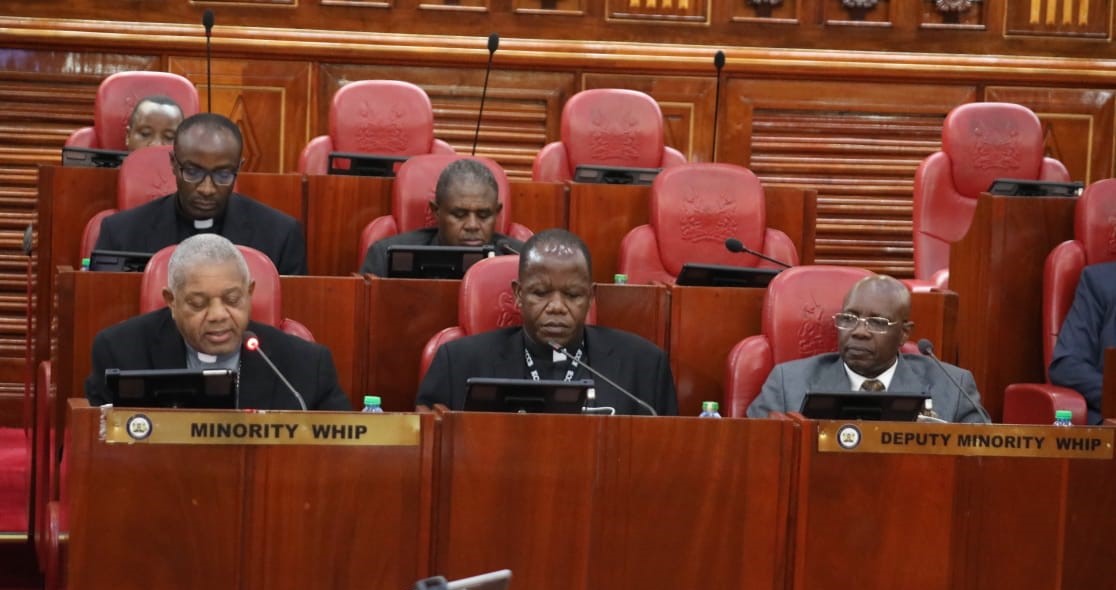
Different Christian denominations in Kenya have urged the government to treat the Shakahola tragedy as an isolated incident, rather than using it as a pretext to impose regulatory controls on churches and clergy. This appeal was made during a session before the Adhoc Committee on the Proliferation of Religious Organisations in Kenya. Representatives from the Evangelical Association of Kenya, the Kenya Catholic Conference of Bishops, and the National Council of Christian Churches argued that religious bodies should be allowed to govern themselves without external interference.
The clergy groups were united in their condemnation of the actions of Paul Mackenzie, the pastor accused of orchestrating the deaths of more than 240 followers under the guise of religious teachings. They expressed deep concern over how Mackenzie was able to exploit Christianity to such a devastating extent. However, they cautioned against using this case as a justification for broad regulatory measures that could infringe on the freedom of religion, a right enshrined in the Kenyan Constitution. They emphasized that Mackenzie should be held accountable as an individual, without his actions leading to restrictive policies on religious practice.
The church leaders also criticized the government's security apparatus for its failure to act promptly when concerns about Mackenzie's activities were initially raised. They argued that better enforcement of existing laws could have prevented the tragedy. Instead of government regulation, the churches advocated for self-regulation within religious organizations, suggesting that they are better positioned to oversee their own affairs.
During the session, Committee Chairman Senator Danson Mungatana inquired about the specifics of the proposed self-regulation framework. Vice Chair Senator Shakila expressed concerns about some churches promoting harmful doctrines, while Senator Cheptumo questioned whether the churches would support a requirement for theological qualifications for individuals wishing to establish new churches.
The session also included virtual participation from Senators Mutinda, Mohammed Faki, Eddy Gicheru Oketch, and Hamida Ali Kibwana, indicating the broad interest in the issue across the legislative body. The discussions are set to continue as the committee seeks to balance the protection of religious freedom with the need to prevent future tragedies similar to the Shakahola massacre.