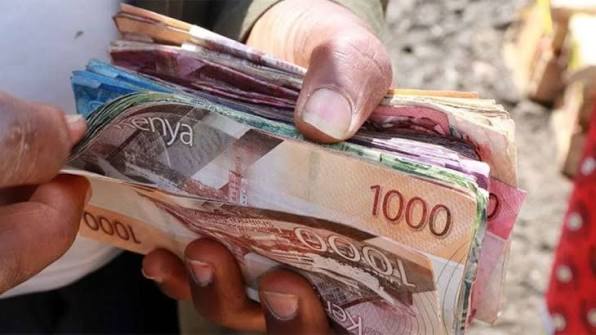
Kenya has secured Sh20.7 billion in conservation financing through the Thamani Asili initiative to protect 17.3 million hectares of critical ecosystems and wildlife habitats over the next decade. The programme will combine funding from international donors and the Kenyan government to strengthen conservation efforts, protect wildlife and support communities living alongside protected areas.
The financing package comprises Sh10.3 billion from international donors, matched by a contribution from the Kenyan government. The funds will support the establishment of new conservation areas and improve the management of existing ones, with implementation planned over the next 10 years.
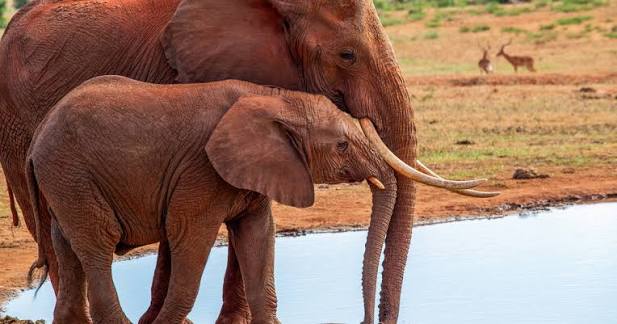
The initiative will focus on four key regions, including Tsavo and the Maasai Mara ecosystem. These landscapes support important populations of elephants, rhinos, lions and other wildlife that contribute to Kenya’s biodiversity and tourism industry.
Tourism and Wildlife Cabinet Secretary Rebecca Miano said the programme would combine wildlife protection with support for farmers and communities living near conservation areas. This approach seeks to address the challenges faced by households whose livelihoods depend on land and natural resources shared with wildlife.
Human-wildlife conflict remains an important challenge for conservation in Kenya, particularly where farming and settlements border wildlife habitats. Crop destruction, damage to property and threats to livestock can create tensions between communities and wildlife, making community participation an important part of long-term conservation efforts.
Tourism also depends on the protection of Kenya’s wildlife and natural landscapes. National parks, reserves and community conservancies attract visitors and generate income through accommodation, transport, guiding services and other tourism-related businesses.
The programme’s success will depend on how the financing is allocated, how conservation projects are implemented and whether communities experience measurable benefits. Transparent management and clear performance targets will be important in assessing whether the investment delivers its intended outcomes.
Attention will now turn to the implementation timetable, the distribution of funding across the four target regions and the conservation projects selected under Thamani Asili. These details will help establish how the Sh20.7 billion commitment translates into habitat protection and improved livelihoods over the next decade.