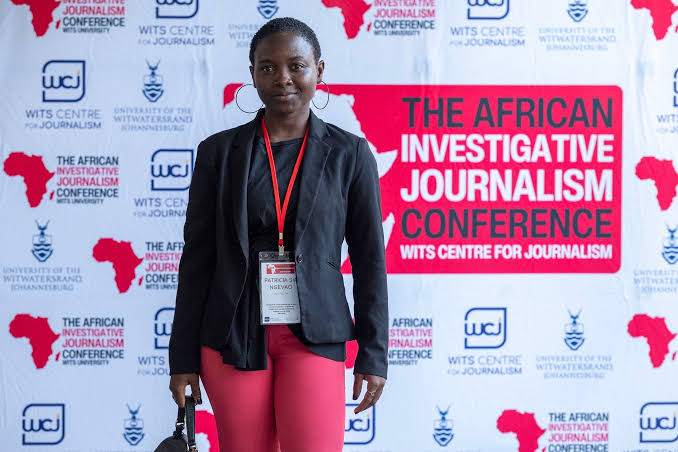
Preparations are underway at the Edge Convention Centre in Nairobi as journalists, editors and media professionals arrive ahead of the 2026 African Investigative Journalism Conference, which begins on Tuesday, November 10.
The three-day gathering will run until November 12, bringing together investigative reporters, media organisations, trainers and experts from across Africa and beyond to exchange ideas, showcase investigations and strengthen accountability journalism.
The 22nd edition of the conference marks a historic milestone because it is being held outside South Africa for the first time since its establishment. It is organised by the Wits Centre for Journalism in partnership with the Aga Khan University Graduate School of Media and Communications, with Nairobi selected as the host city for this year's gathering.
The programme will feature lectures, masterclasses, panel discussions, practical workshops and investigative story showcases. Discussions are expected to examine how journalists can use artificial intelligence, open-source intelligence and digital tools to uncover wrongdoing, verify information and follow financial trails.
Other areas of focus include whistleblower protection, undercover reporting, climate investigations, health reporting, media sustainability and the safety of journalists working in challenging environments.
The conference also comes as newsrooms across Africa grapple with misinformation, shrinking resources, threats against reporters and the growing influence of technology on how information is produced and consumed.
A major highlight will be the African Investigative Journalist of the Year Awards gala dinner scheduled for November 11. The 2026 awards attracted a record 204 entries, reflecting the breadth of investigative work being undertaken across the continent.
Ahead of the main conference, 24 investigative journalists from 17 African countries have been participating in a three-day masterclass running from November 7 to 9. The training focuses on areas including digital forensics, verification, artificial intelligence and data journalism.
The gathering is expected to provide an opportunity for journalists to build cross-border professional networks and share techniques for investigating complex issues that increasingly extend beyond national boundaries.
For Kenya, hosting the conference places Nairobi at the centre of an important continental conversation about the future of independent journalism and its role in exposing corruption, scrutinising public institutions and holding powerful individuals and organisations accountable.
The event's move from Johannesburg also signals a wider effort to make the conference more accessible to journalists across the continent and strengthen collaboration among African media professionals.