Oil prices fell on Monday, November 9, 2026, after US President Donald Trump signalled that further American military strikes against Iran were unlikely while negotiations continued, easing concerns about potential supply disruptions despite fresh shipping attacks near the Strait of Hormuz.
Brent crude futures dropped 1.5% to approximately US$96.91 per barrel, while US West Texas Intermediate (WTI) fell 1% to US$89.85 by 0629 GMT. The decline extended losses recorded the previous week, when Brent plunged 16%, marking its steepest weekly fall since the beginning of the COVID-19 pandemic.
Trump mentioned that he was highly unlikely to order fresh attacks on Iran if negotiations to end the conflict continued to make progress. His remarks followed earlier indications that Washington could consider renewed military action after the US midterm elections.
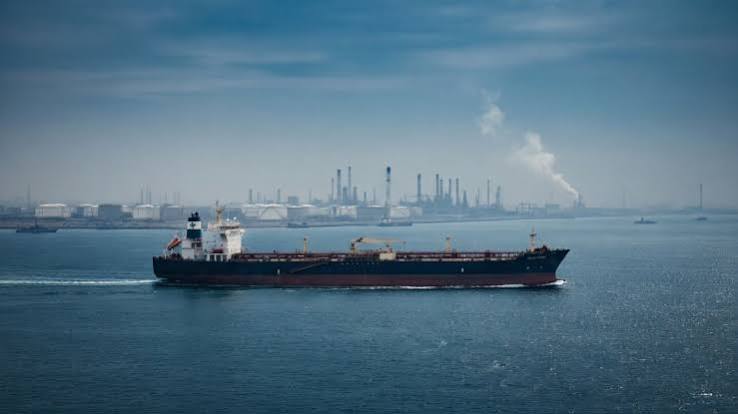
However, shipping activity around the Strait of Hormuz remains a major concern for energy markets. Both Washington and Tehran reported attacks on vessels in or near the strategic waterway, through which a significant share of global oil shipments normally passes.
The continued incidents have raised questions about the security of energy exports from the Gulf, even as diplomatic efforts create expectations of reduced military escalation. Iran has previously warned that it would retaliate against US and Israeli targets if attacked.
Market analysts said traders were increasingly pricing in the possibility of de-escalation, although a comprehensive agreement between Washington and Tehran had not yet been reached. Sugandha Sachdeva of SS WealthStreet warned that oil prices could retain a geopolitical risk premium until diplomatic progress is accompanied by sustained normalisation of shipping through the strait.
Supply conditions are also putting downward pressure on prices. JPMorgan estimated that global oil production exceeded demand by 1.1 million barrels per day in September, with the surplus widening to 1.4 million barrels per day in October as Middle Eastern output recovered, production increased elsewhere and demand remained weak.
The direction of oil prices will therefore depend on whether negotiations produce a lasting agreement and whether commercial shipping can resume safely through the Strait of Hormuz.