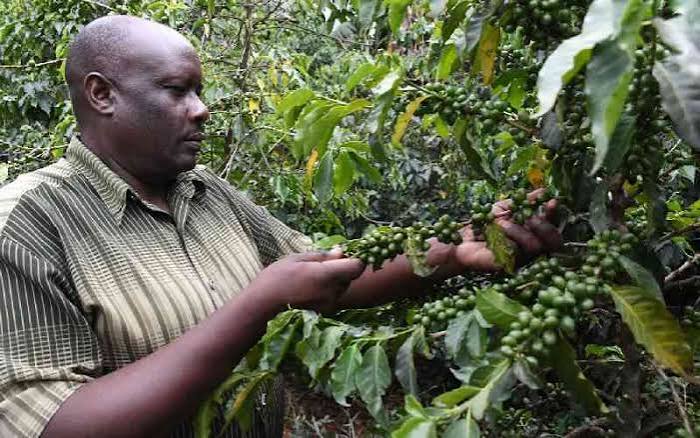
Kenya is preparing to document the distinct flavours of coffee grown across the country through a continental initiative that seeks to strengthen the industry's competitiveness and help farmers reach more specialised international markets.
The Kenya Coffee Flavour and Origin Expo, scheduled for November 14–16, 2026, in Nairobi, will bring together approximately 300 professional coffee cuppers from Kenya and abroad to assess samples from the country's coffee-growing regions.
The exercise will involve blind evaluations of hundreds of coffee samples, with organisers planning to examine up to 500 samples representing 34 coffee-growing counties. The findings will provide technical information for developing Kenya's first comprehensive National Coffee Flavour Map, with publication expected in 2027.
The initiative is designed to establish how geographical origin, altitude, soil conditions, coffee varieties and farming practices influence the taste and aroma of Kenyan coffee.
Rather than ranking producers or declaring a competition winner, the exercise will document the characteristics associated with different growing regions. This information could help buyers identify coffee that matches their preferred flavour profiles and connect directly with the producers and cooperatives supplying it.
The project is particularly significant for smallholder farmers, who have traditionally relied heavily on conventional grading and marketing systems to differentiate their produce.
By linking flavour characteristics to specific origins, the proposed atlas could give cooperatives and growers another way to demonstrate the quality and uniqueness of their coffee when negotiating with international buyers.
The expo is being presented by the Coffee Board of Kenya, the Food and Agriculture Organization of the United Nations (FAO) in Kenya and the Kenya Coffee Platform, with the United Nations Industrial Development Organization (UNIDO) among the partners supporting the wider initiative.
The event will also feature an origin conference, exhibitions, knowledge-sharing sessions and business engagements connecting Kenyan producers with international traders, roasters and other industry players.
FAO says the initiative will help improve market transparency and strengthen opportunities for farmers by providing reliable information about the relationship between coffee origin and cup quality.
Climate change is another reason behind the exercise. Changing weather patterns are affecting traditional coffee-growing areas while creating conditions that could support production in other regions. Mapping flavour differences could help the industry understand and market coffee from emerging production zones.
The project also seeks to stimulate domestic consumption. Kenya produces internationally recognised specialty coffee, but a relatively small proportion of its output is consumed locally. Industry participants believe greater awareness of regional flavours could encourage more Kenyans to explore locally grown and roasted coffee.
Data from the Agriculture and Food Authority shows that the number of coffee shops in Kenya increased from 231 in 2019 to 791 in 2023, indicating expanding opportunities for domestic coffee businesses.
The proposed flavour atlas will be made available as a reference for farmers, exporters, roasters, traders and consumers.
If successfully implemented, it could give Kenya a more detailed way of marketing its coffee beyond broad national branding, allowing individual growing regions to build recognition around their distinctive characteristics.