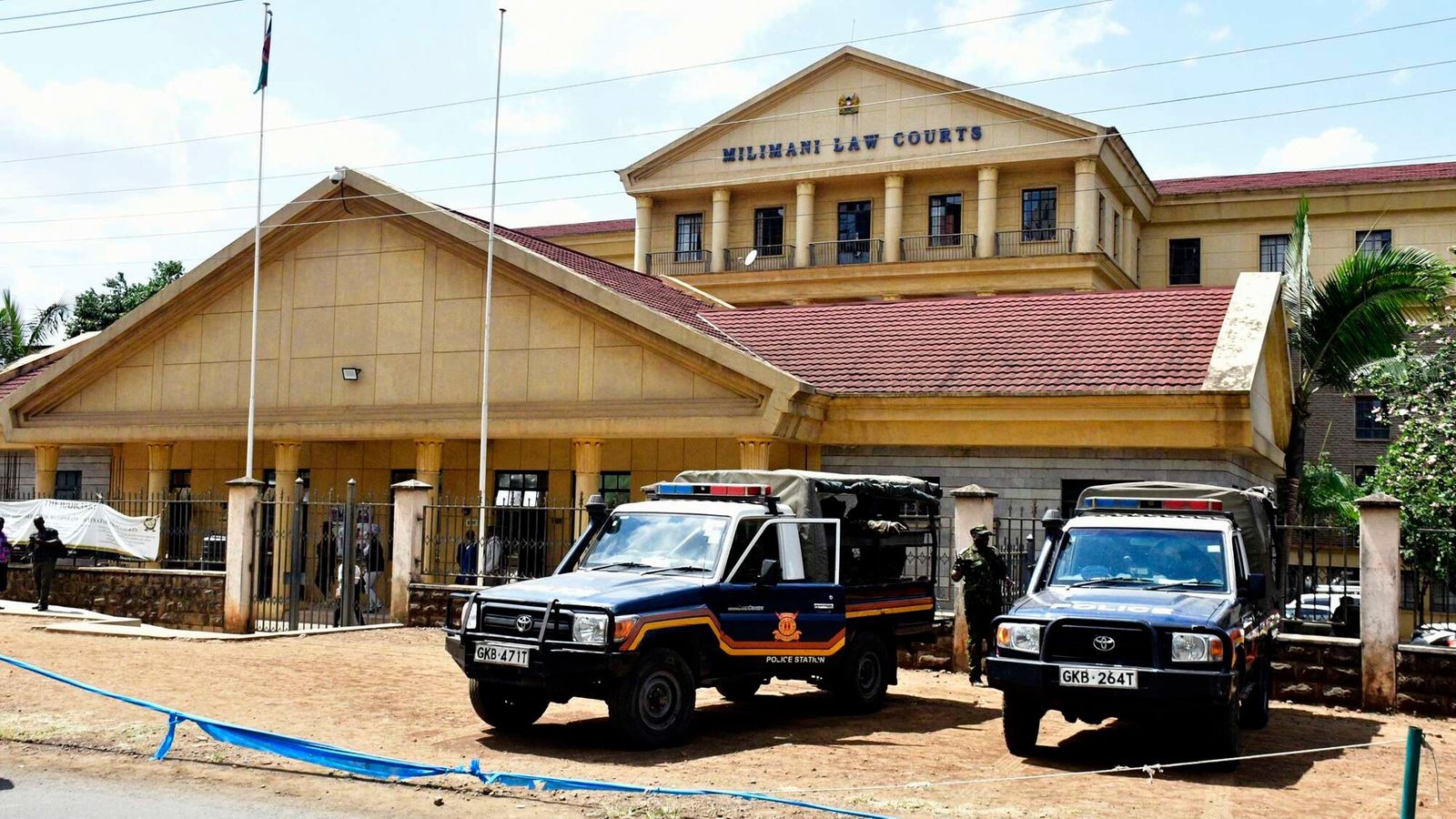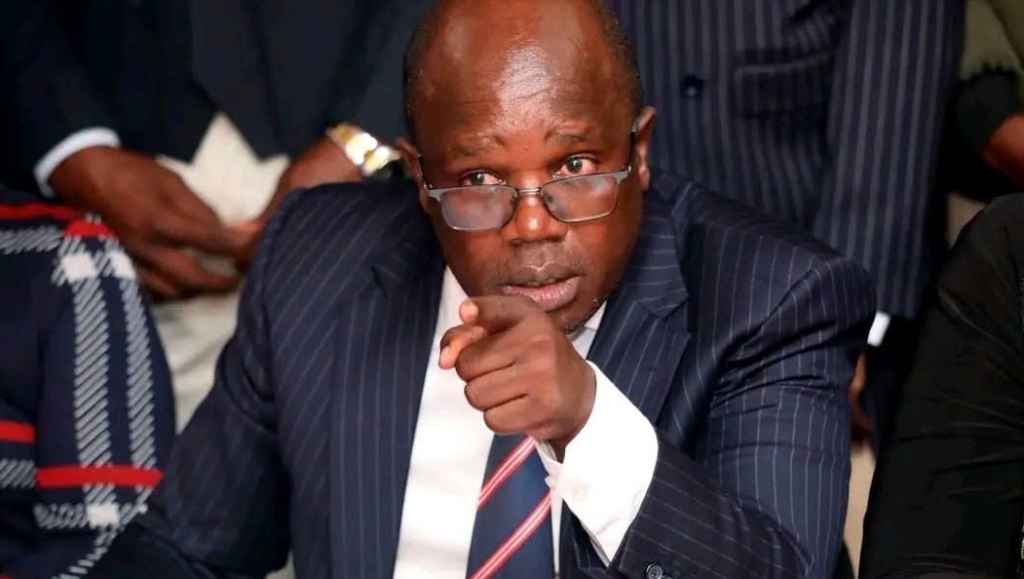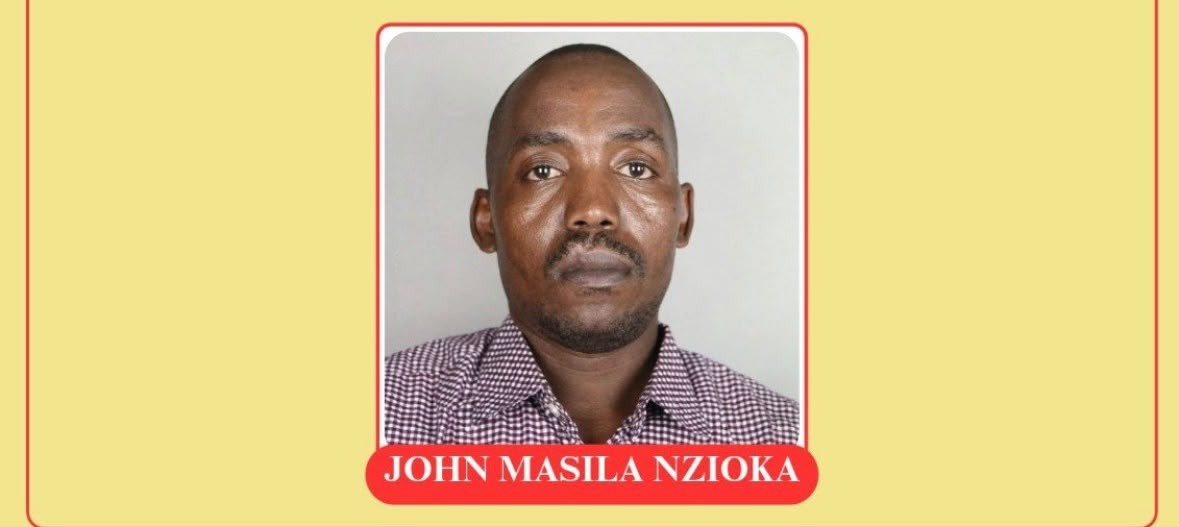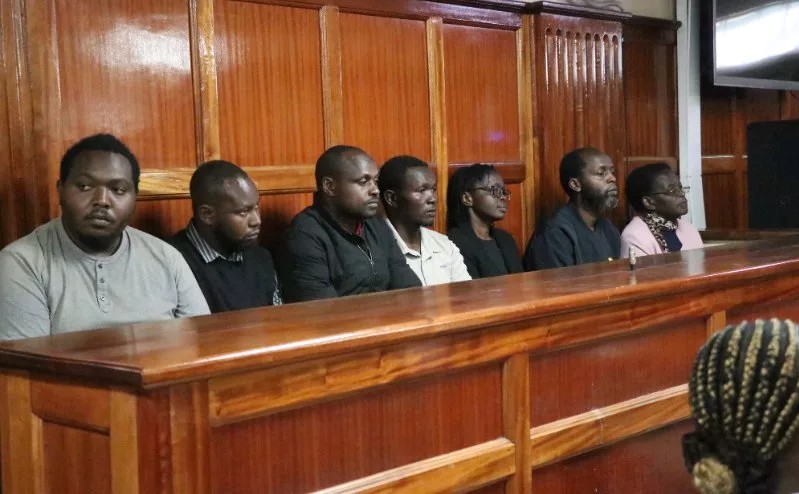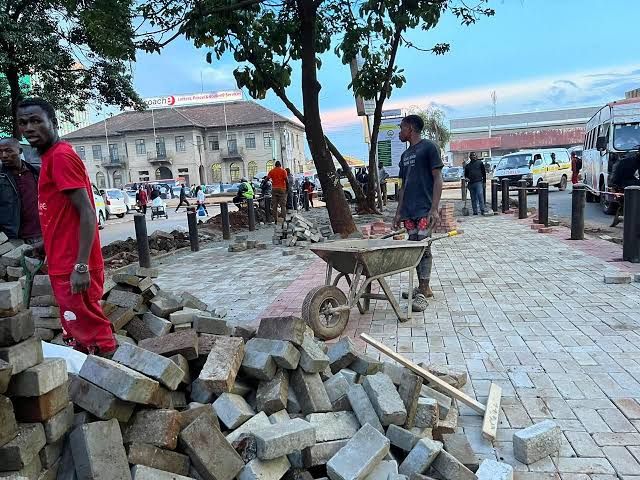
The High Court has given the Nairobi County Government 14 days to respond to a petition challenging ongoing cabro paving, pedestrian walkway and non-motorised transport works in the CBD. This ruling comes amid growing concerns over the management and transparency of public works projects in the city, particularly those that affect the daily lives of residents and commuters.
Human rights activist Francis Awino wants the project stopped, arguing that it was undertaken without complying with constitutional and procurement requirements. Awino's petition highlights the importance of adhering to legal frameworks that govern public procurement and project execution, which are designed to ensure accountability and protect public interests. He asserts that the lack of compliance not only undermines the integrity of the project but also poses risks to the community.
Concerns over project compliance
Justice Nabil Mokaya Orina directed the respondents to file their responses as the case proceeds. The court's involvement underscores the judiciary's role in overseeing governmental actions and ensuring that public projects are executed lawfully. This case could set a precedent for future public works projects in Nairobi and beyond, emphasizing the need for transparency and adherence to legal standards.
The works under challenge are being carried out along Haile Selassie Avenue, Moi Avenue, Taifa Lane, Kencom and neighbouring streets. These areas are crucial to the city's infrastructure, serving as major thoroughfares for both vehicles and pedestrians. Awino's concerns are particularly relevant given the high volume of foot traffic in these zones, where safety and accessibility are paramount.
Impact on city infrastructure
Awino is seeking orders to halt the project and quash related approvals, procurement processes and contracts. His petition aims to ensure that all aspects of the project are scrutinized and that any irregularities are addressed. By challenging the legitimacy of the approvals and contracts, Awino hopes to protect the rights of citizens who may be adversely affected by the construction activities.
He is also demanding access to project documents, including tender records, contracts, bills of quantities and payment records. This request for transparency is a crucial aspect of his legal challenge, as it would allow for an examination of whether the project was awarded and executed in accordance with the law. Access to these documents is essential for understanding the financial and operational aspects of the project and ensuring that public funds are used appropriately.
Call for transparency and safety
He further wants the county to provide safety measures at construction sites, citing excavated and blocked sections of the CBD that have made some walkways impassable and exposed pedestrians to safety risks. The ongoing construction has raised alarms among residents and business owners, who have reported difficulties navigating the area due to the unsafe conditions. Awino's call for safety measures reflects a broader concern for public safety and the need for the county government to prioritize the well-being of its citizens during construction activities. As the case unfolds, it will be closely watched by various stakeholders, including residents, city planners, and human rights advocates.