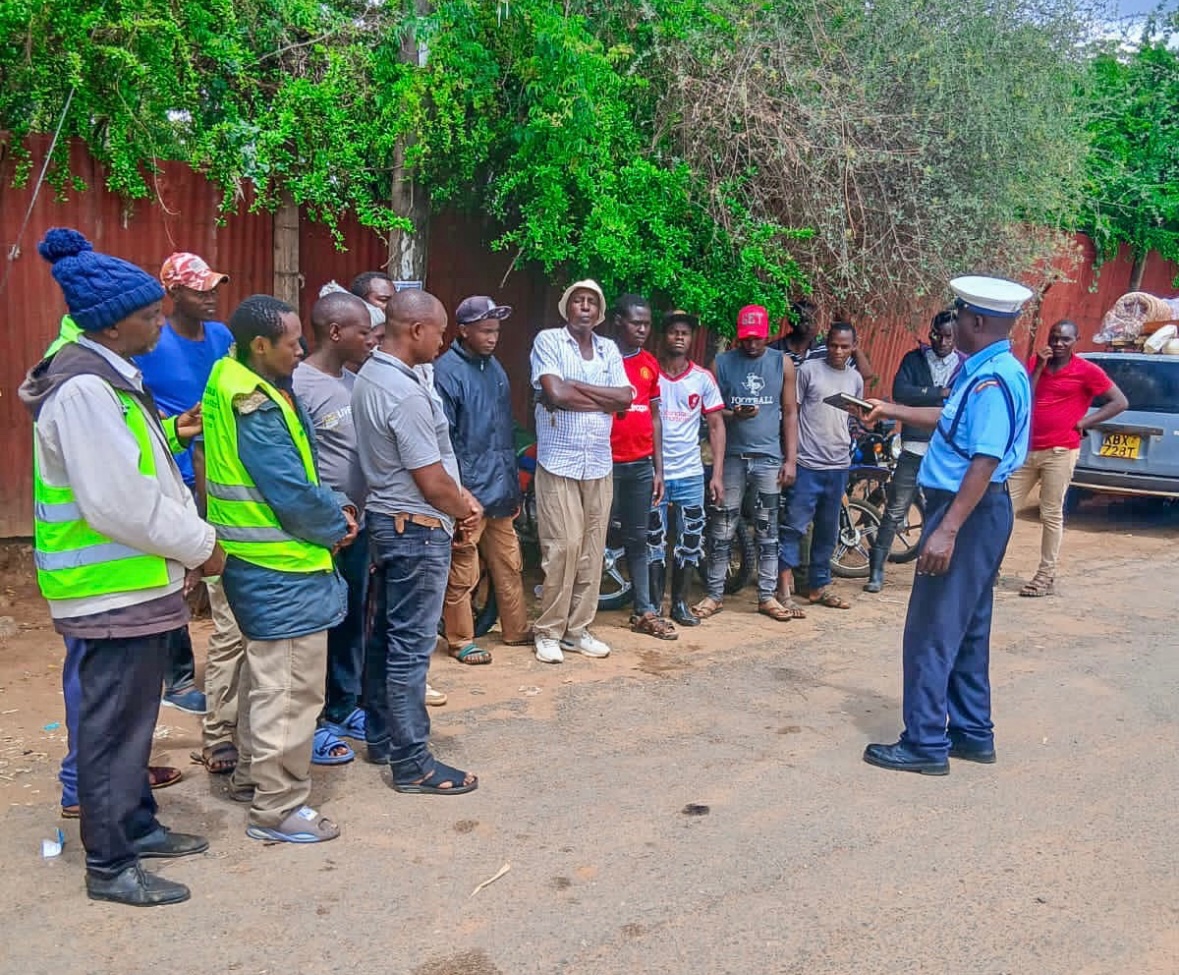
The Kenya Red Cross has called on residents living in flood-prone areas of Mombasa to move to safer locations ahead of heavy rains expected in October. This warning comes as the region braces for significant rainfall that could lead to flooding, a recurring issue in these vulnerable areas. The Red Cross emphasizes the importance of proactive measures in safeguarding lives and property as the rainy season approaches.
Warning for flood-prone areas
The Red Cross says it has begun sensitising communities on safety measures and how to respond to possible flooding. This initiative aims to educate residents about the risks associated with heavy rains and the necessary steps they can take to protect themselves and their families. The organization is working diligently to ensure that residents are aware of the dangers and are equipped with the knowledge to react appropriately in the event of an emergency.
Flood-prone areas include Ziwa la Ng’ombe, Kongowea and Mkomani in Nyali, Miritini and Bangladesh in Jomvu, and Shika Adabu and Tibwani in Likoni. These locations have been identified as particularly susceptible to flooding due to their geographical features and existing drainage issues. Mishomoroni, Junda, Mtopanga, Mwakirunge, Airport, Magogoni and Chaani have also been identified as high-risk areas. In Mvita, the areas include Ganjoni, Majengo, Old Town and Bondeni. The identification of these areas is crucial for targeted interventions and for mobilizing resources effectively.
Identified high-risk locations
The Red Cross has prepared more than 30 officers in each ward and two boats to support rescue operations in case of flooding or other emergencies. This preparation underscores the organization's commitment to disaster response and its readiness to assist affected communities. The presence of trained personnel and rescue equipment is vital for ensuring swift action during emergencies, potentially saving lives and mitigating the impact of flooding.
Preparedness and response efforts
Mombasa County Chief Disaster Management Officer Ibrahim Basafar has meanwhile urged residents to prepare early, including keeping drainage channels clear of waste to minimise the risk of flooding. His call to action highlights the importance of community involvement in disaster preparedness. By maintaining clean drainage systems, residents can significantly reduce the likelihood of water accumulation and subsequent flooding.
Residents have also been advised to follow weather updates and take necessary precautions as the county prepares for the expected heavy rains. Staying informed about weather conditions is essential for timely decision-making and for ensuring the safety of families. The collaboration between the Kenya Red Cross and local authorities aims to foster a culture of preparedness, ultimately contributing to the resilience of Mombasa's communities against the impending rains.