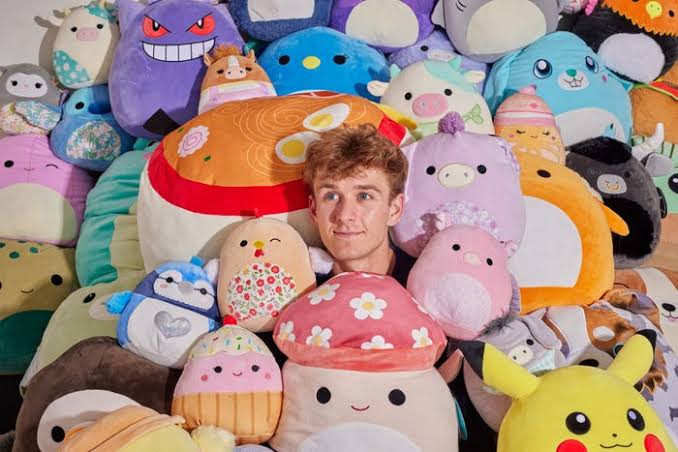
Millennials and Generation Z are driving a growing market for toys traditionally associated with children, turning dolls, LEGO sets, stuffed animals and collectibles into popular adult purchases. The trend, known as “kidulting,” is creating new opportunities for toy manufacturers and retailers as younger adults spend their own money on childhood favourites, creative hobbies and collectibles that could generate income.
Data from market research firm Circana shows that adult-only households accounted for more than half of toy sales in the United States during the first half of 2026. Toy sales to adults increased by 25% over the period, highlighting how grown-up consumers have become an increasingly important market for the industry.
Nostalgia is a major reason behind the spending. Many millennials and Gen Z consumers are buying toys they loved growing up or products they could not afford as children. With their own earnings, they can now purchase American Girl dolls, LEGO building sets, Pokémon cards and plush toys without relying on parents to pay for them.
For some buyers, these purchases also provide comfort and a break from the pressures of adult life. Building a complex LEGO model, displaying a collection of stuffed animals or searching for a rare collectible offers an activity away from work, financial worries and constant online scrolling. Collecting can also provide a sense of achievement when buyers finally find an item they have been searching for.
The appeal extends beyond nostalgia and relaxation. Social media has helped turn toy collecting into a shared experience, with enthusiasts posting unboxing videos, displaying collections and connecting with others who have similar interests. Products such as Jellycat plush toys and character-based collectibles have developed dedicated communities, making purchases part of a broader lifestyle and identity.
Some consumers are also treating toys as potential income-generating assets. Rare trading cards, limited-edition dolls and discontinued collectibles can sometimes be resold at a profit when demand exceeds supply. One collector cited in Business Insider sold a Japanese-edition Charmander Pokémon card for $750 after purchasing it for $59.26, illustrating the potential returns available in the secondary market. However, such gains are not guaranteed, and collectible prices can fall as trends change.
The growing market is encouraging toy companies to appeal directly to adults through more sophisticated building sets, nostalgic product revivals and collectible releases. LEGO, for example, offers lines aimed at adult builders, including botanical models, architecture sets and artistic designs. These products position toys as decorative pieces, creative projects and long-term hobbies rather than solely as children’s playthings.
The trend is also creating opportunities for independent sellers and content creators. Vintage toy shops can reconnect customers with discontinued products, while collectors who build online audiences may earn money through sponsorships, advertising or sales. Others are making customised accessories and plush-inspired crafts to meet demand for personalised items.
Economic pressures could nevertheless shape how far the trend grows. Although toys may be relatively accessible compared with larger lifestyle purchases, premium sets and rare collectibles can be expensive. Buyers hoping to make money from resale also face the risk of overpaying or holding items that lose popularity.
For toy manufacturers and retailers, the rise of kidulting signals a shift in the industry’s traditional customer base. By combining nostalgia, creative entertainment, community and collecting, adult consumers are helping transform toys into a significant business category that extends well beyond childhood.