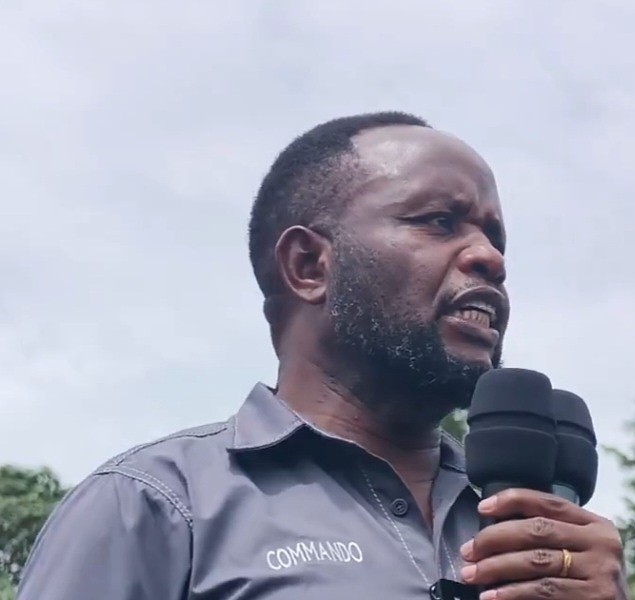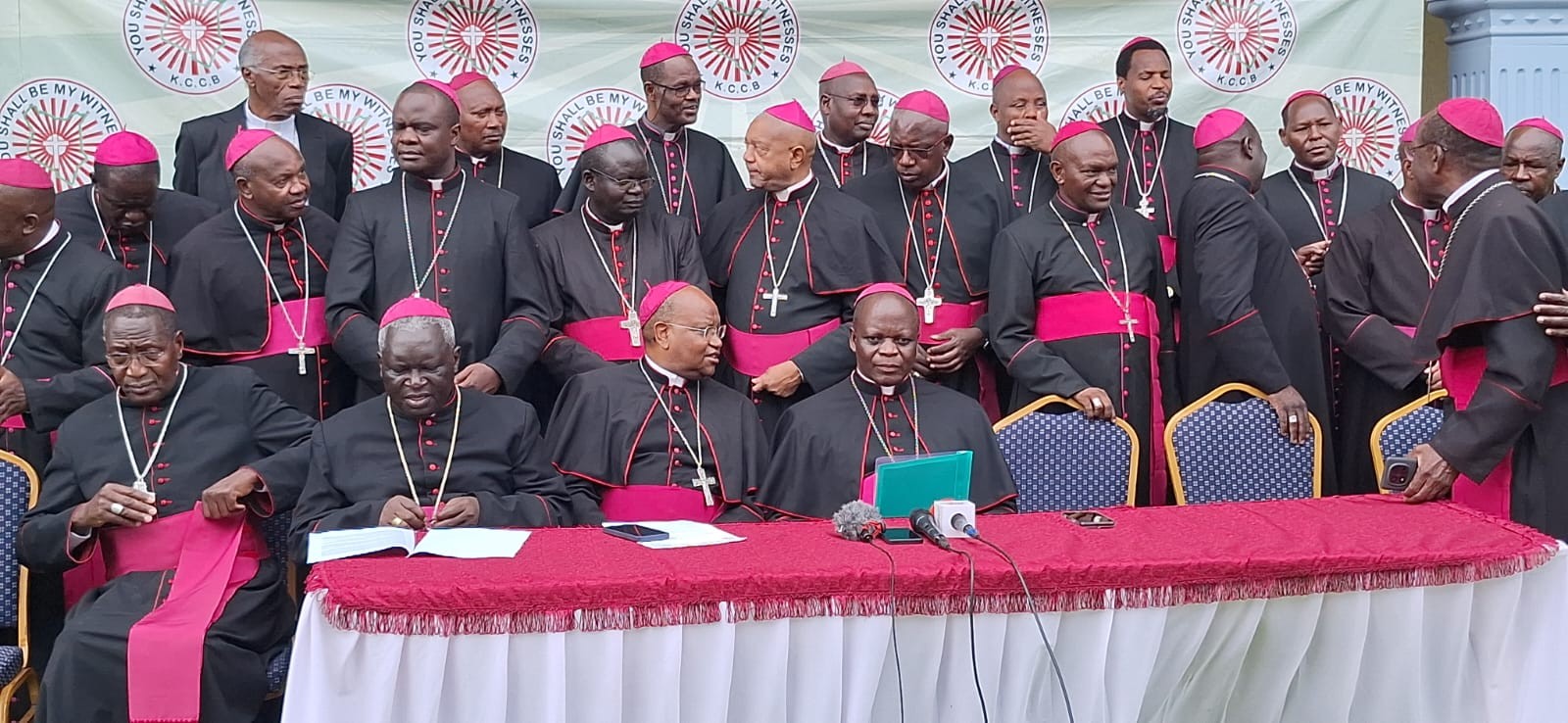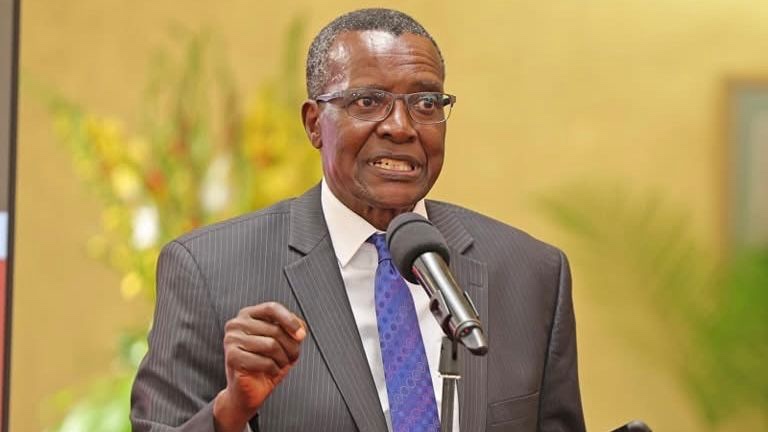
Former Chief Justice David Maraga has accused President William Ruto of hypocrisy over the proposed US-backed Ebola quarantine facility in Laikipia, following Health Cabinet Secretary Aden Duale’s declaration that Kenya will not serve as a quarantine centre for other countries.
In a press statement issued on Thursday, November 12, Maraga questioned why the government had previously defended an arrangement allowing a foreign-backed quarantine facility to be established in Kenya, only to adopt the position that protesters had advanced months earlier.
He described the administration’s latest position as a contradiction of its earlier actions, accusing Ruto of sacrificing Kenya’s sovereignty, public safety and dignity to protect American interests during the Ebola crisis.
“The sudden declaration today by Health Cabinet Secretary Aden Duale that ‘Kenya will not serve as a quarantine centre for any jurisdiction’ is a breathtaking display of hypocrisy,” Maraga said.
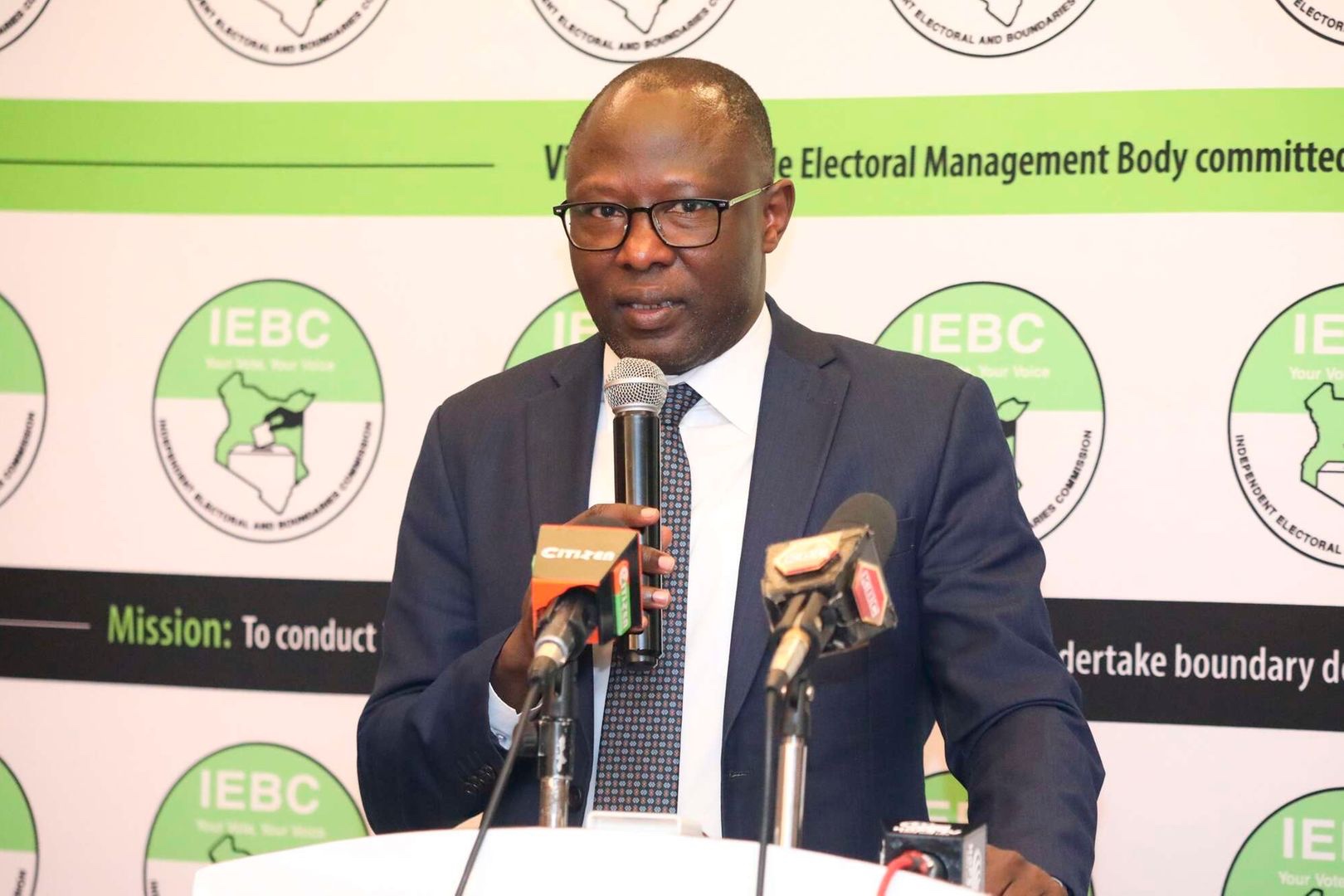
Duale made the announcement on Wednesday, November 11, while giving an update on the country’s Ebola response at Afya House in Nairobi.
The Health CS ruled out allowing travellers from other countries to be held in Kenya to meet quarantine requirements imposed by their destinations.
He also said the Ministry of Health would not issue quarantine or Ebola-free certificates for international travel, arguing that such documents had no basis under the International Health Regulations.
The announcement has renewed scrutiny of the proposed 50-bed isolation and quarantine facility at Laikipia Air Base in Nanyuki, which was planned under a partnership between the Kenyan and United States governments.
The facility was intended to accommodate American nationals potentially exposed to Ebola while working in affected countries, including the Democratic Republic of Congo and Uganda.
The arrangement sparked public opposition, with critics questioning why Kenya should host a facility for foreign nationals and raising concerns about the country’s capacity to manage the associated health risks.
In June, residents and other Kenyans took to the streets to oppose the project, with demonstrations turning deadly after police opened fire.
Two people were shot dead during the protests, according to Maraga, who accused the government of using violence against citizens defending the country’s sovereignty.
The controversy also moved to court after the Law Society of Kenya and Katiba Institute challenged the arrangement, citing concerns over public participation, transparency and public health safeguards.
On May 28, the High Court issued conservatory orders stopping the government from establishing or operating an Ebola quarantine, isolation or treatment facility under an arrangement with the United States or another foreign government. The orders were subsequently confirmed on June 2.
The court later found Duale in contempt on June 22 over continued construction activities at the Laikipia site despite the suspension orders.
He appeared before the court the following day, apologised and informed the judge that construction and related activities had been halted pending determination of the substantive petition. The judge accepted his apology and warned him against disregarding court orders.
Maraga questioned why the government had defended the agreement and dismissed public concerns at the time, yet was now advancing the same position that demonstrators had demanded.
He further faulted Ruto for failing to acknowledge the deaths of those who opposed the facility, arguing that the administration could not adopt the protesters’ demands months later without addressing the circumstances in which they lost their lives.
The political dispute comes as Kenya enters the final stage of containing the Bundibugyo strain of Ebola, following the discharge of its last patient on November 11.
The country recorded nine confirmed infections, including two deaths, with the remaining seven patients recovering. Health authorities also traced 135 contacts linked to the outbreak, with the final 11 completing their monitoring period on November 11.
Kenya began a 42-day countdown on Thursday, November 12, towards being declared free of the outbreak, with December 23 set as the expected date if no new infections are reported.
Despite the progress in containing the outbreak, Maraga maintained that the government’s latest position did not erase the controversy surrounding the Laikipia facility or its handling of the protests.