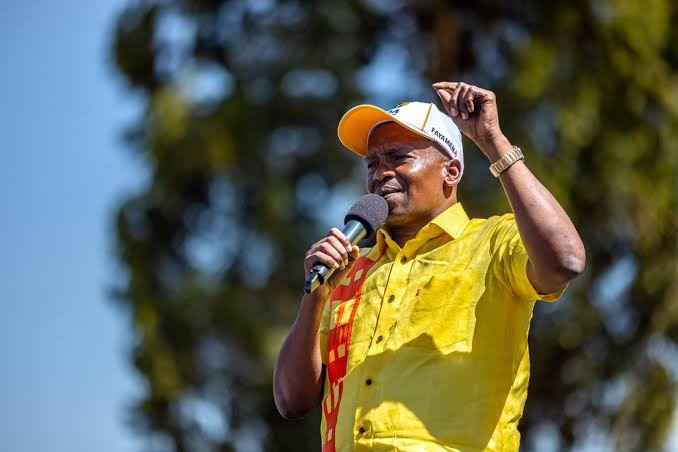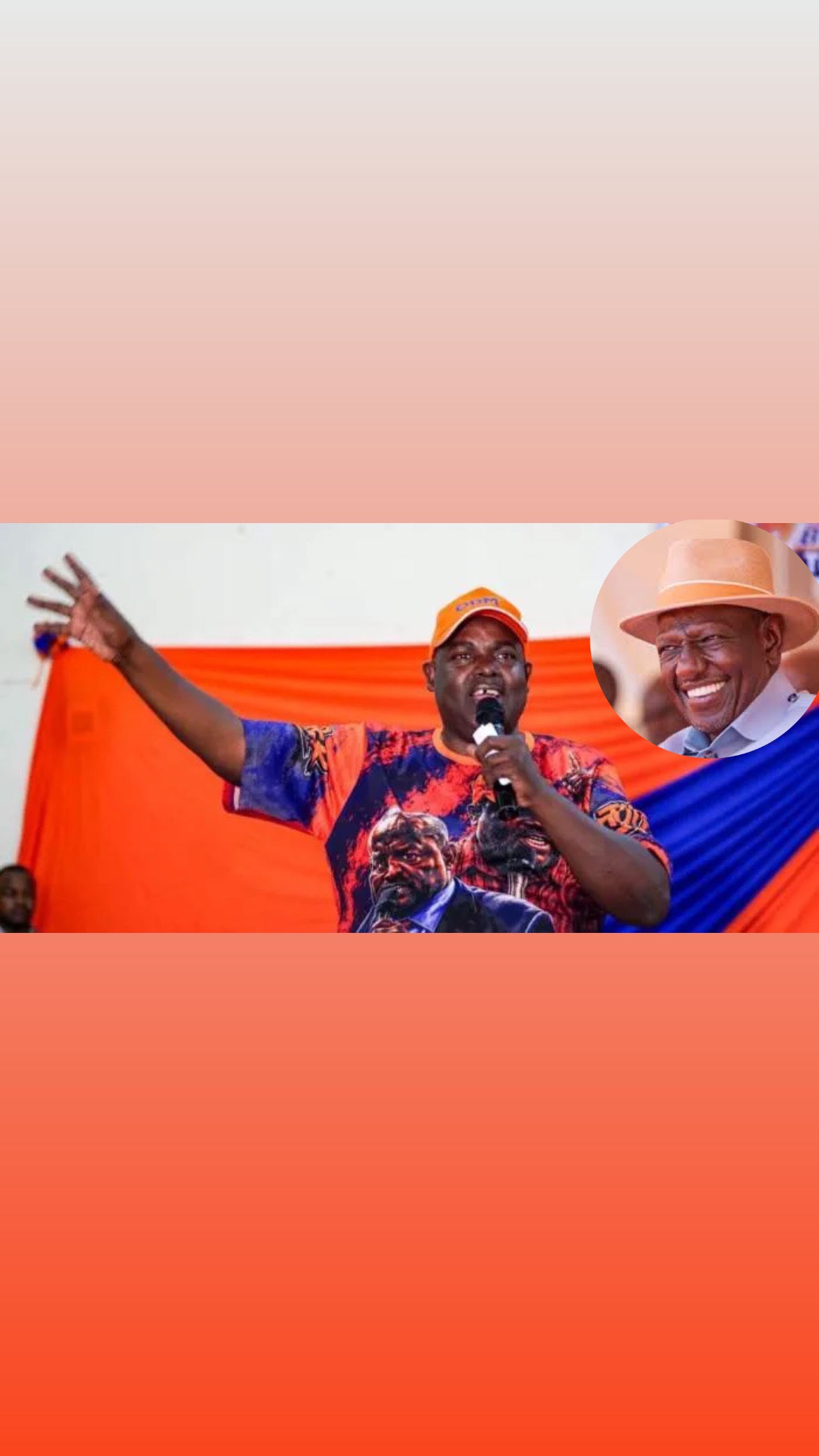
Trans Nzoia Governor George Natembeya has called for a change in leadership within the Luhya community, urging residents to embrace a new generation of leaders ahead of the 2027 General Election.
Natembeya said the community should move away from continued reliance on older political figures who have dominated its leadership for many years and instead create room for fresh faces with new ideas and a clear vision for the future.
In his remarks, the governor argued that the time had come for the Luhya community to rethink its political direction and prepare younger leaders to take up influential positions.
He maintained that the leadership transition should begin in 2027 rather than being postponed to the 2032 General Election, insisting that the community could not afford to delay the process of bringing new voices into its political affairs.
According to Natembeya, the region needs leaders who can respond to changing political realities, articulate the interests of the people and provide a fresh approach to addressing challenges facing the community.
He emphasised that the proposed change was not simply about replacing older politicians because of their age, but creating an opportunity for leaders with fresh perspectives, energy and the ability to guide the community towards a different political future.
The governor's remarks come at a time when political realignments are gaining momentum across the country as leaders position themselves ahead of the 2027 polls.
The Luhya community, one of Kenya's largest voting blocs, has remained an important factor in national political contests, with its support often attracting interest from political parties and presidential candidates.
However, questions about regional political leadership and the community's influence in national decision-making have continued to feature in political discussions.
Natembeya's call appears to place generational change at the centre of that conversation, with the governor urging the community to begin identifying and supporting emerging leaders capable of taking up leadership responsibilities.
He also suggested that waiting until 2032 would only delay the opportunity to introduce a different political direction.
The governor's position is likely to spark debate among political leaders and residents within the region, particularly those who have supported established figures over the years.
As the 2027 General Election approaches, attention will increasingly turn to the leaders seeking to influence the Luhya community's political direction and the possibility of a new generation taking a more prominent role.