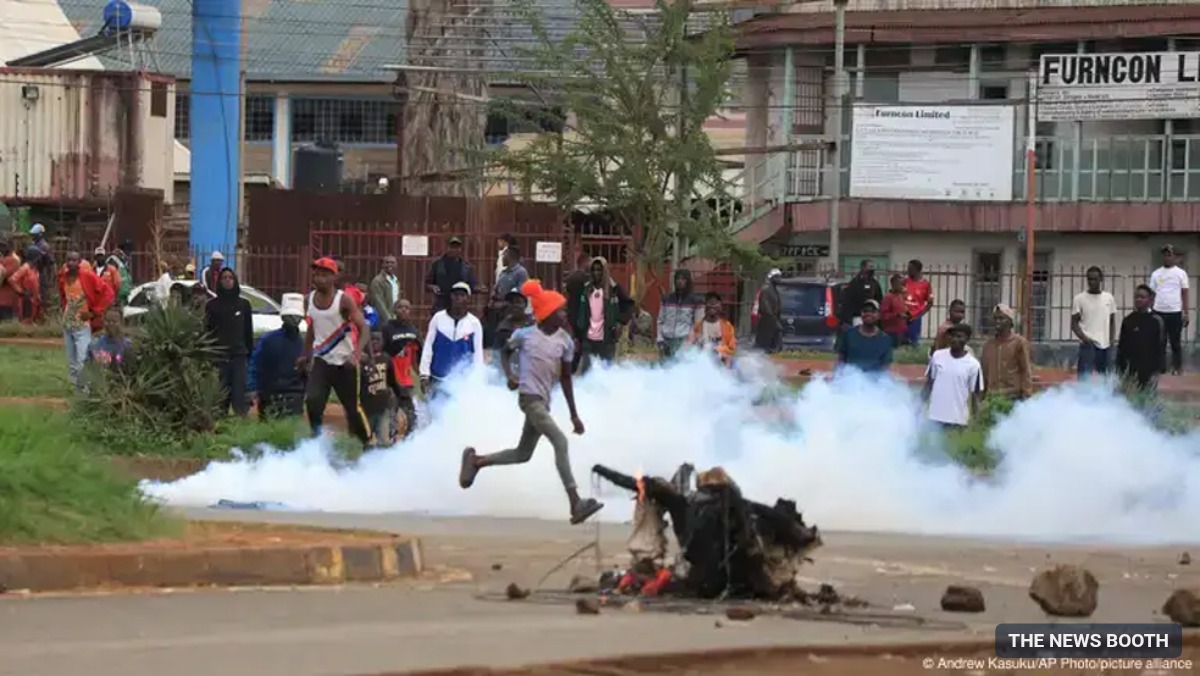
Victims of human rights violations arising from demonstrations and public protests have demanded justice beyond financial compensation, insisting that accountability, recognition of their suffering and comprehensive reparations must form the basis of efforts to address abuses committed against them.
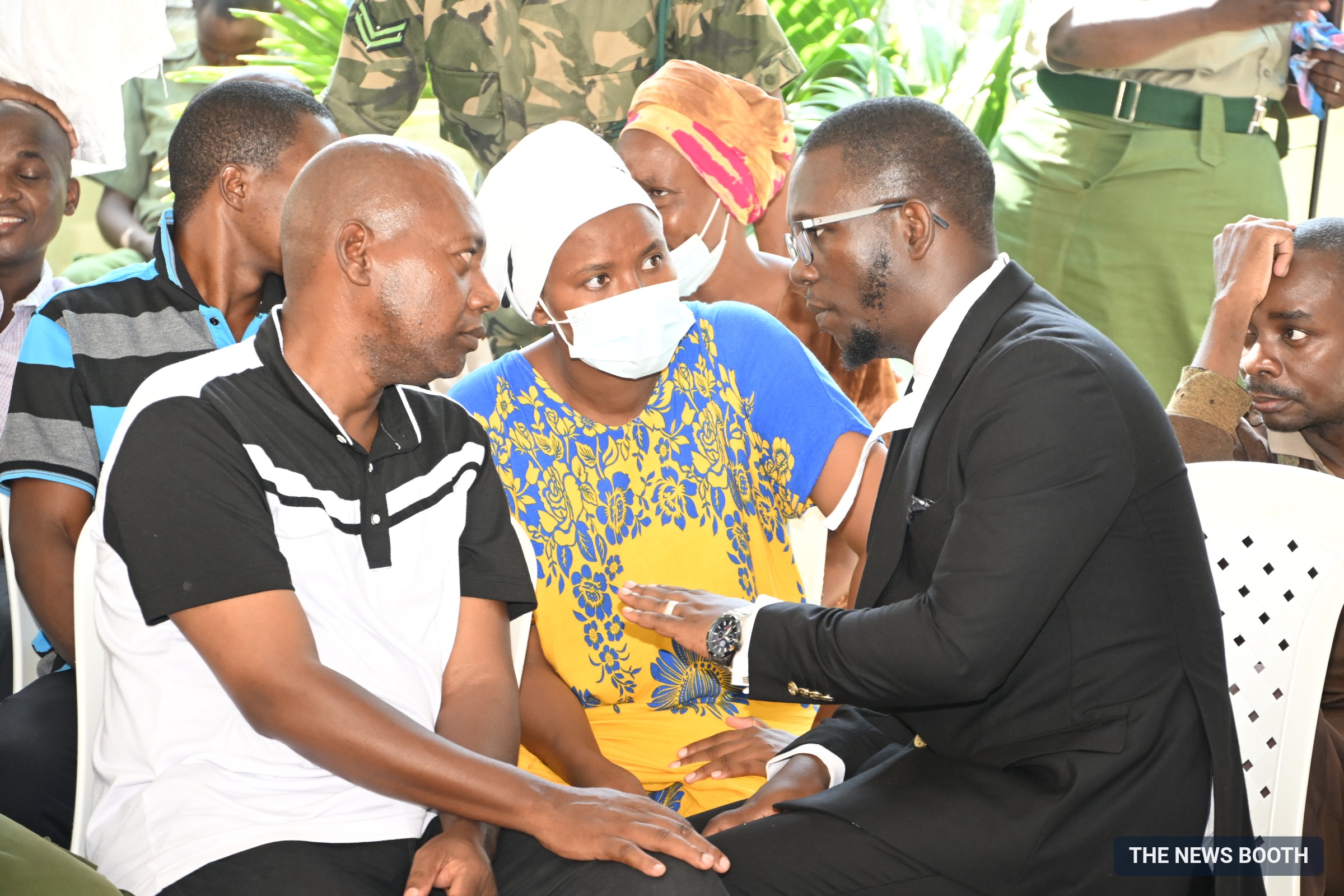
The victims raised the concerns during a meeting with the Panel of Experts on Compensation of Victims of Human Rights Violations in Nairobi on Friday, November 27, 2026, as the government stepped up engagements aimed at addressing the consequences of violations linked to demonstrations and public protests.
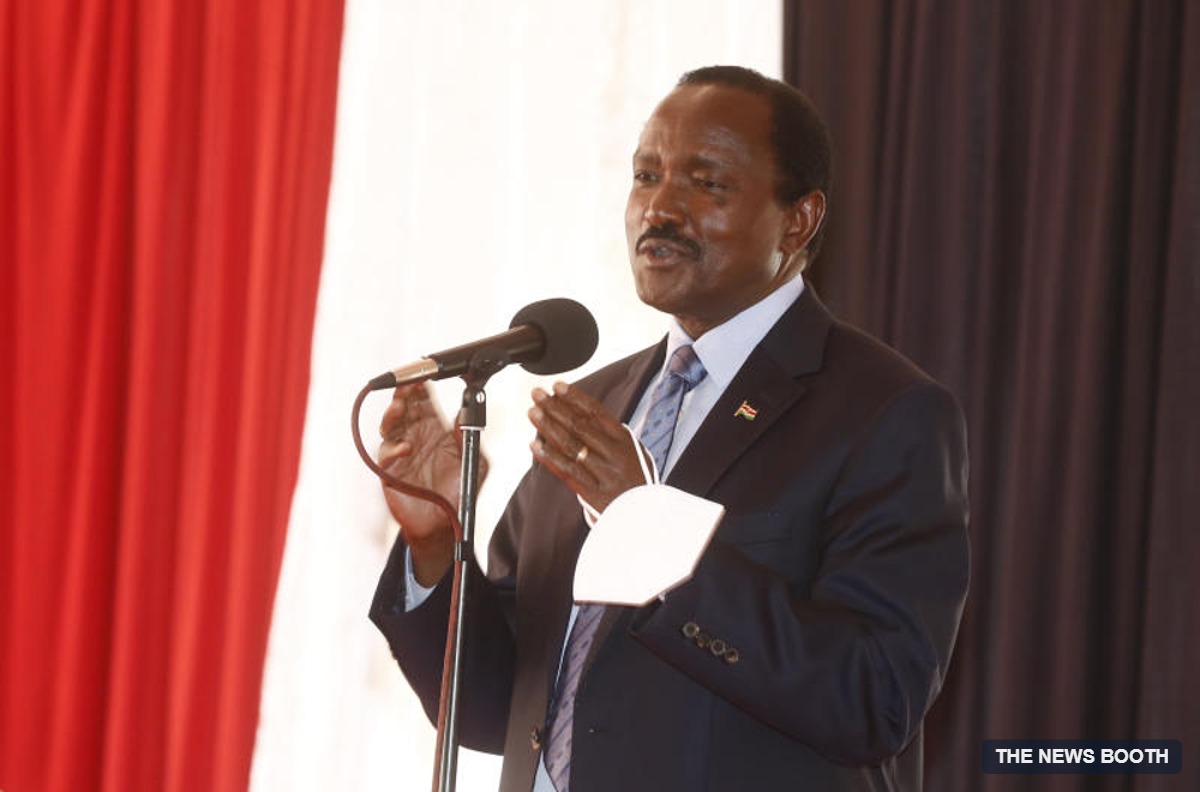
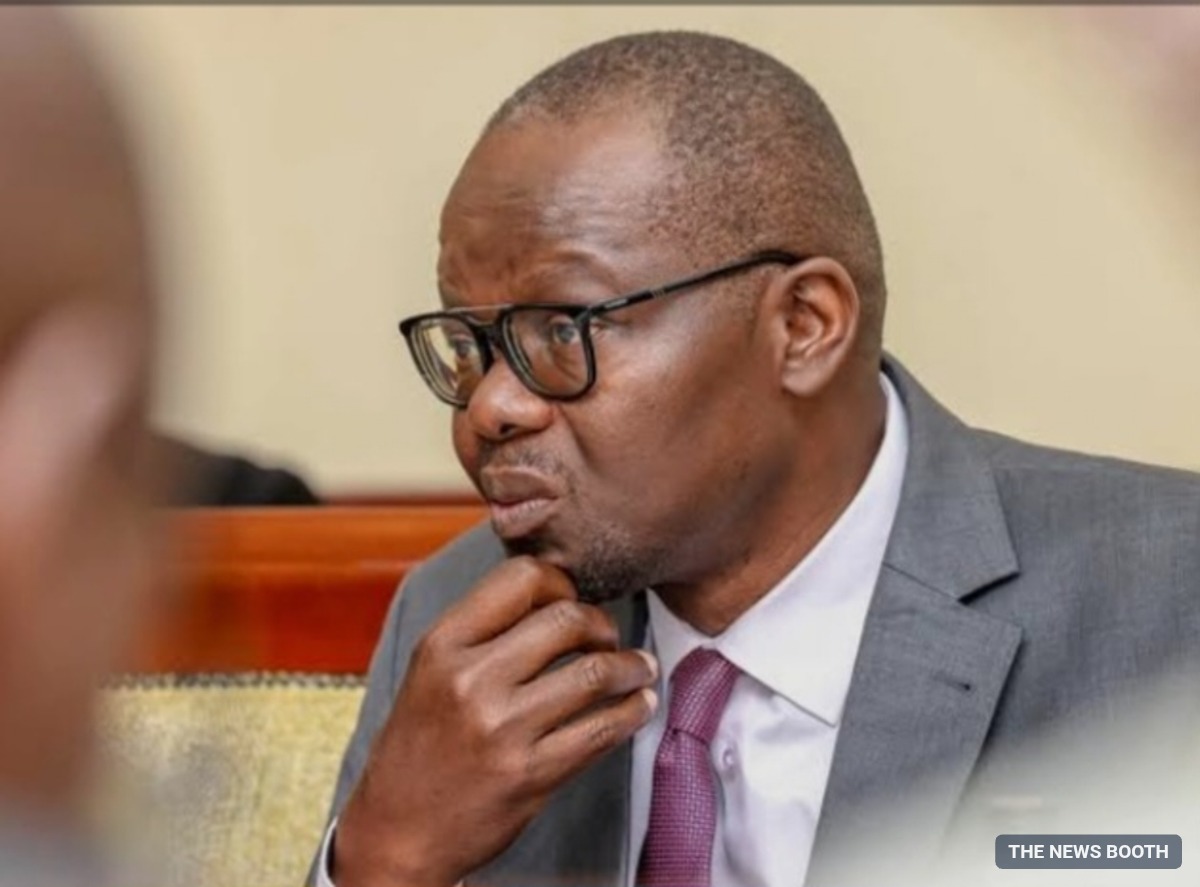
During the meeting, Panel Chairperson Professor Makau Mutua formally delivered both presidential and state apologies, acknowledging the profound suffering experienced by victims and their families, as well as the lasting impact of the violations.
The apologies form part of the broader National Healing and Reconciliation process, which seeks to restore public trust and repair the relationship between the State and citizens.
The panel reaffirmed the government's commitment to healing, justice and meaningful reparations, assuring victims that their experiences, dignity and welfare would remain central to the compensation process.
However, the victims maintained that financial compensation alone would not adequately address their grievances, prompting the panel to emphasise that justice, accountability and comprehensive reparations must remain central to its work.
The meeting brought together representatives from the Independent Policing Oversight Authority (IPOA), the Kenya National Commission on Human Rights (KNCHR), National Government Administration Officers, civil society organisations and the National Police Service.
The discussions also focused on proposed legislative reforms, particularly the Facilitation of Assembly, Picketing and Demonstration Bill, 2026, which is being co-created through a multi-stakeholder process involving victims.
The proposed legislation seeks to operationalise the rights guaranteed under Article 37 of the Constitution, strengthening protections for citizens exercising their constitutional freedoms to assemble, demonstrate, picket and present petitions peacefully and unarmed.
IPOA and KNCHR reaffirmed their commitment to working with the panel, with both institutions pledging continued cooperation in promoting accountability, protecting human rights and incorporating victims' voices into recommendations.
The panel also announced upcoming regional victim visits and stakeholder engagements scheduled from Monday, November 30 to Friday, December 4, covering the Nyanza, Central and Western regions.
The visits will provide an opportunity to directly engage victims, assess their welfare and involve stakeholders in shaping the proposed legislation.
The panel said it remained committed to ensuring that no eligible victim is left behind, promising sustained engagement with affected individuals and their families as the compensation and accountability process continues.