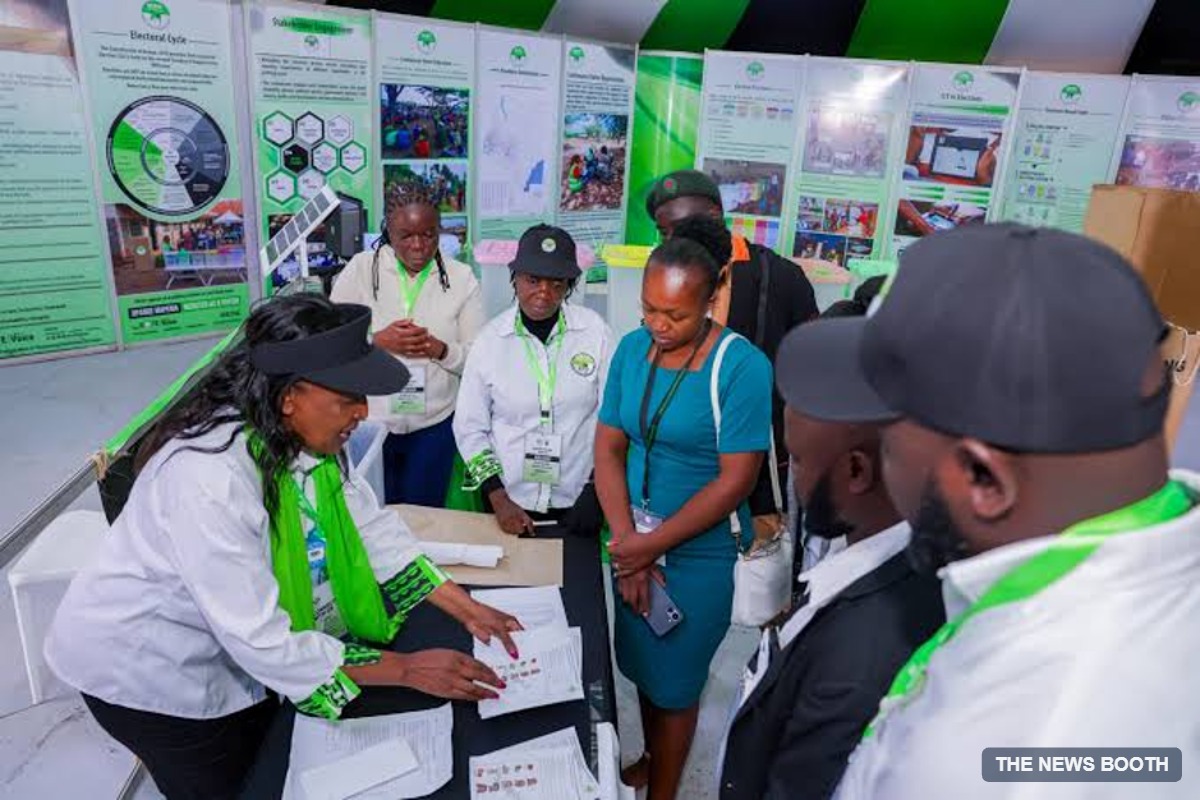
Uraia Trust and its partners have raised concerns over inadequate funding for voter education ahead of Kenya's August 2027 General Election, warning that the funding gap could undermine efforts to promote informed voting and credible elections.
In a press statement released on Friday, November 27, 2026, the organisation said the Independent Electoral and Boundaries Commission (IEBC) had been allocated only Sh1.9 billion for voter education against a budget request of Sh6.5 billion.
The allocation represents less than a third of the amount requested by the electoral commission, raising concerns about the country's preparedness to educate voters before the next General Election.
The concerns were raised during the launch of a report titled The People's Agenda: A Synthesis of Citizen Priorities in Elections and Responsive Governance in Kenya.
The report brings together citizen manifestos developed in ten counties: Nairobi, Murang'a, Tharaka-Nithi, Mombasa, Baringo, Kisumu, Nakuru, Kisii, Isiolo and Siaya. It also incorporates women's and youth manifestos developed by other stakeholders.
According to Uraia Trust, the findings show that Kenyans want the 2027 elections to focus on issues affecting their lives rather than ethnic and regional politics.
The organisation noted that ethnic and clan-based mobilisation, political patronage and the influence of powerful individuals continue to shape electoral competition and determine how public resources are distributed.
It called for continuous and adequately funded civic and voter education to help citizens make informed decisions based on candidates' policies and development plans.
The report identified public debt, corruption and youth unemployment as the leading national concerns among citizens.
It also highlighted the need for electoral integrity, accountable political parties, fair revenue sharing, secure land ownership, functional social health insurance and equitable bursary distribution.
At the county level, residents identified healthcare, access to clean water, education, employment and public participation as common priorities.
However, individual counties face distinct challenges. In Nairobi, residents raised concerns about informal settlements, drainage, public safety and gang prevention, while Mombasa residents prioritised sanitation, housing and the Blue Economy.
In Kisumu, concerns included pending bills, stalled projects and low revenue collection, while residents in Isiolo highlighted water scarcity, unsafe boreholes and cattle rustling.
The report also raised concerns about the challenges facing women and young people, particularly unemployment, exclusion from government procurement opportunities and gender-based violence.
It noted that 20.2 per cent of young Kenyans are not in employment, education or training. The proportion is higher among young women at 26.1 per cent compared to 14.3 per cent among young men.
Uraia Trust further warned that inadequate voter education could contribute to low voter registration, increased rejected ballots, misinformation and heightened political tensions.
The organisation called on the National Treasury and Parliament to restore and protect voter education funding in the 2027/2028 budget.
It also urged the IEBC and the Office of the Registrar of Political Parties to strengthen oversight of political nominations, campaign financing and electoral conduct.
County governments were asked to finalise civic education laws, allocate adequate resources and ensure that citizens' priorities are reflected in county development plans and budgets.
Political parties and candidates were also challenged to develop measurable campaign commitments based on the needs of citizens while promoting the participation of women, young people and persons with disabilities.
Uraia Trust said an informed and engaged electorate would be essential in ensuring a credible, peaceful and issue-based 2027 General Election.
The report was developed under the organisation's Ajenda Yetu programme with support from KISP, funded by the Foreign, Commonwealth and Development Office (FCDO) and the British High Commission, alongside technical guidance from ELGIA.