Deputy President Kithure Kindiki has received a new national campaign framework aimed at strengthening the government's fight against illicit alcohol and drug abuse, as the administration steps up efforts to dismantle illegal supply networks and expand rehabilitation programmes.
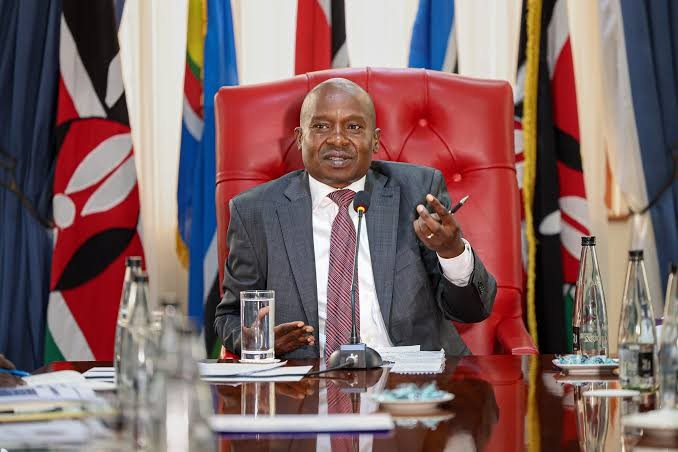
Kindiki received the framework during a meeting with the National Steering Committee on the Fight Against Illicit Alcohol and Drugs on Wednesday morning.
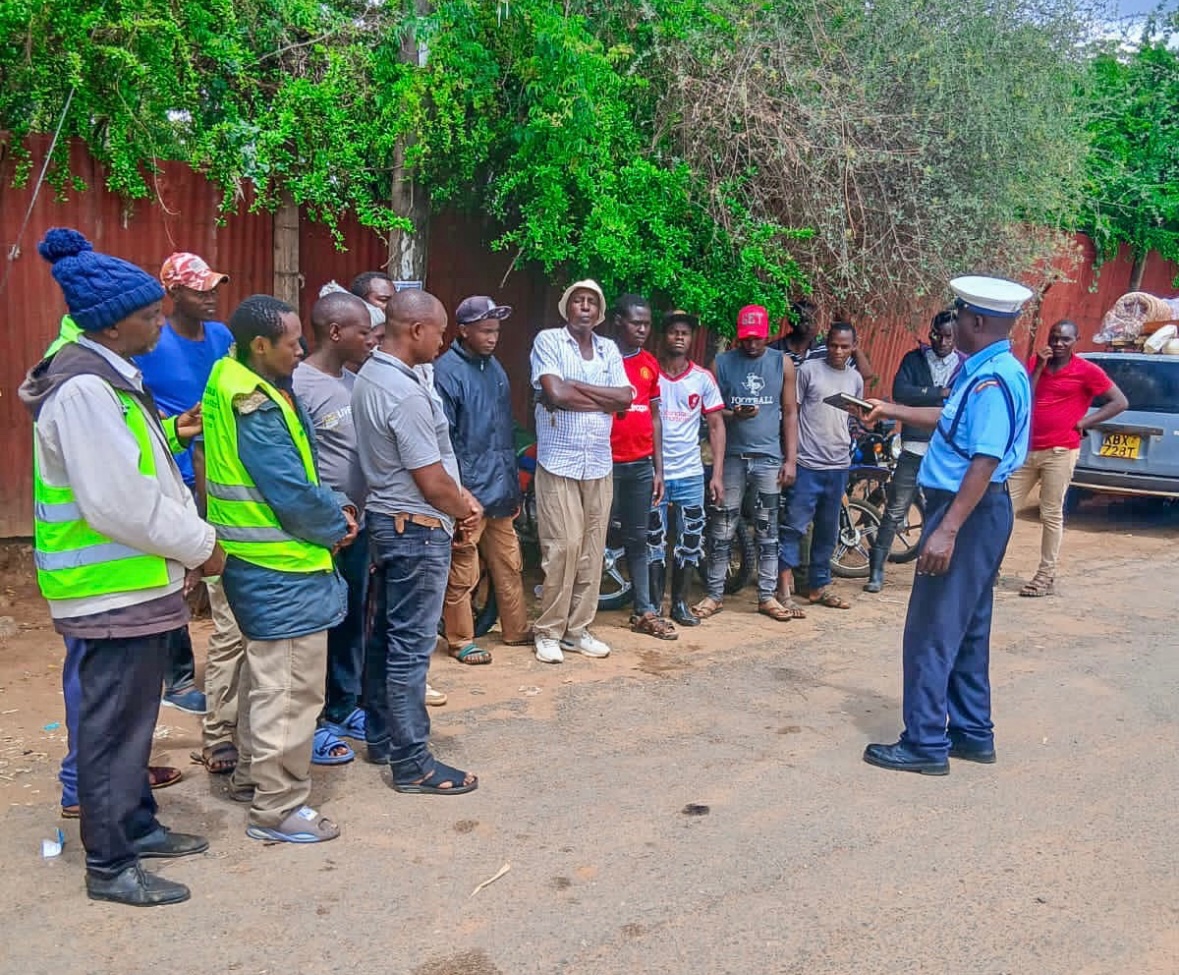
The committee briefed him on ongoing intelligence-led operations targeting the manufacture, distribution and sale of illegal alcoholic drinks and narcotic substances across the country.
Government's new campaign framework
Speaking during the meeting, Kindiki said the effects of illicit alcohol and drug trafficking were being felt across society, with many families and communities bearing the consequences of the growing problem.
He stressed that the fight against illicit alcohol and drugs should be treated as a national priority rather than turned into a political contest.
The Deputy President cautioned political leaders against using government operations targeting illegal alcohol businesses to advance political interests, insisting that the campaign required collective commitment and cooperation from all stakeholders.
To strengthen coordination, Kindiki revealed that the government had established a cooperation agreement supported by an implementation framework that will bring together different institutions and stakeholders involved in combating the problem.
The arrangement is expected to improve coordination between government agencies and other partners, particularly in identifying illegal manufacturers, disrupting distribution channels and ensuring those involved in the trade face the law.
Strengthening enforcement and compliance
Kindiki also issued a stern warning to individuals using dangerous chemicals to manufacture alcoholic drinks, saying those found engaging in the practice would face legal consequences.
He further cautioned traders operating without the necessary licences, emphasising that businesses dealing in alcoholic beverages must comply with existing regulations.
The Deputy President also highlighted the need to review laws governing the alcohol industry to strengthen enforcement and address gaps that may be exploited by unscrupulous traders.
He commended government institutions and other organisations working alongside the National Authority for the Campaign Against Alcohol and Drug Abuse (NACADA) for their contribution to ongoing enforcement efforts.
Impact on families and communities
The renewed campaign comes amid growing government concern over the social and economic consequences of substance abuse, particularly its impact on families, young people and community safety.
Through the new framework, the government intends to strengthen enforcement while supporting rehabilitation initiatives aimed at helping people affected by alcohol and drug dependence.
Kindiki maintained that defeating the illicit alcohol and drug trade would require sustained cooperation, effective law enforcement and the commitment of all stakeholders, warning that those involved in illegal production and distribution would not be spared.